
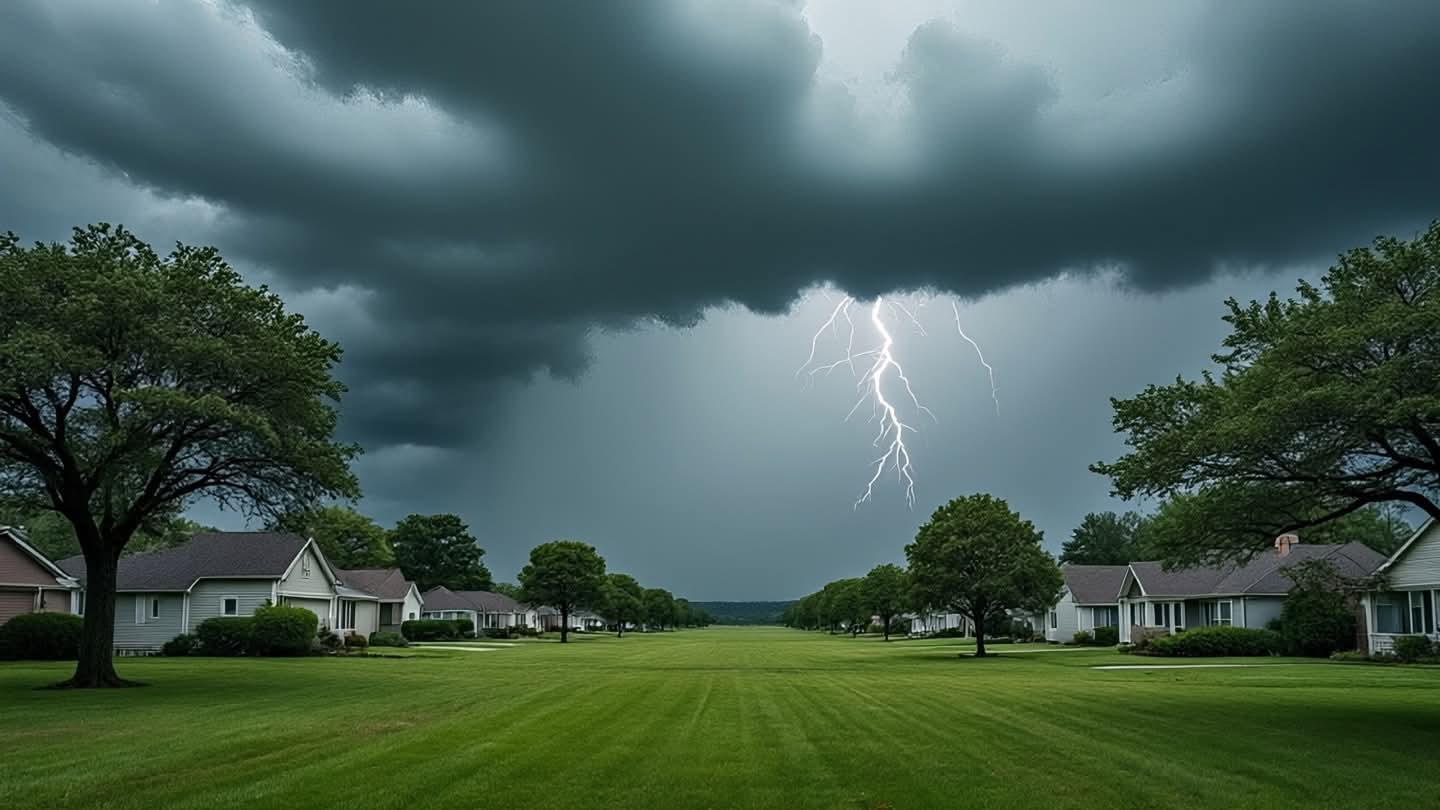
The sky over the Mid-Atlantic recently turned a bruised purple, signaling a shift from summer calm to sudden fury. In a rare and unsettling display of nature’s power, tornadoes touched down in both New York and Delaware, leaving trails of debris and shock in their wake. These events, while brief, served as a stark reminder of the increasing volatility of weather patterns and the vulnerability of even densely populated urban areas to such forces.
In New York, the storm system brought high winds and confirmed tornado activity to parts of Long Island and the city itself. Residents captured footage of funnel clouds swirling above suburban neighborhoods, ripping roofs from homes and uprooting trees. The sight was surreal for many, accustomed to viewing tornadoes as phenomena of the Great Plains rather than the Northeast. Emergency services responded quickly, assessing damage and ensuring that no lives were lost in the chaos.
Delaware faced similar turbulence, with severe storms spawning tornadoes that cut through rural and semi-urban landscapes. Power lines were downed, and structures sustained significant damage. The National Weather Service issued urgent warnings, urging residents to seek shelter immediately. For those in the path of the storm, the minutes felt like hours, filled with the roar of wind and the crash of breaking glass.
Meteorologists attribute these events to a combination of atmospheric instability and moisture-laden air masses colliding with cooler fronts. While tornadoes in this region are not unprecedented, their frequency and intensity have drawn attention from climate scientists. The changing climate is creating conditions that favor more extreme weather events, challenging traditional assumptions about regional risk.
For the communities affected, the aftermath is a mix of relief and recovery. Many escaped with only property damage, but the emotional toll of witnessing such destruction is profound. Neighbors came together to clear debris and offer support, demonstrating the resilience that often emerges in times of crisis. Local authorities have begun the process of assessing insurance claims and planning repairs.
The incident also highlights the importance of preparedness. Emergency management agencies are reviewing their response protocols to ensure they are equipped for future events. Public education campaigns emphasize the need for weather radios and emergency kits, especially as storm seasons become less predictable. Vigilance is the first line of defense against nature’s unpredictability.
As the skies clear and the sun returns, the scars of the storm remain visible. Broken branches and damaged siding tell the story of a day when the earth shook. For residents, it is a lesson in humility and respect for the natural world. The memory of the tornado will linger, a testament to the power that lies just beyond the horizon.
In the end, the tornadoes in New York and Delaware are a call to action. They urge us to adapt, prepare, and support one another in the face of growing environmental challenges. By learning from these events, we can build stronger, more resilient communities ready to withstand whatever the weather may bring.
AI Image Disclaimer: The visual elements in this article are AI-generated illustrations depicting stormy skies and abstract representations of wind damage, designed to reflect the themes of severe weather without showing real destruction or specific individuals.
Sources: The New York Times, NBC News, National Weather Service, CBS News
Note: This article was published on BanxChange.com and is powered by the BXE Token on the XRP Ledger. For the latest articles and news, please visit BanxChange.com
.jpg&w=3840&q=75 "National Highway Head-On Crash: Three Dead After Truck And Car Collide On Major Route")