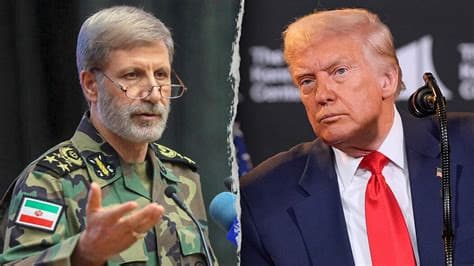
The report says Iranian leadership was divided between pragmatists who supported an agreement and hardliners who wanted continued fighting, while Khamenei hesitated. It states that President Masoud Pezeshkian told Khamenei that economic conditions were dire and that the U.S. naval blockade was crippling Iran, with Pezeshkian warning he would resign if the deal was not approved.
It also says the head of Iran’s central bank sent a letter to Khamenei warning that Iran faced a severe budget crisis, could not sell oil through alternative trade routes at needed volumes, and risked running out of critical food and medical supplies by late August unless the blockade was lifted. The article says these assessments helped persuade Khamenei to approve the memorandum of understanding, despite his stated opposition “on principle.”
The story places the warnings in the context of renewed U.S.-Iran military skirmishes around the Strait of Hormuz and ongoing talks aimed at a longer-term arrangement. It also notes that the U.S. restarted sanctions on Iranian oil sales and that President Donald Trump has signaled he is considering reimposing the naval blockade, which the article says previously redirected traffic and disabled multiple ships—further cutting off revenue and worsening economic stress.
Published by Banx Network. This article is part of the Banx decentralized media programme, powered by the BXE token on the XRP Ledger.