
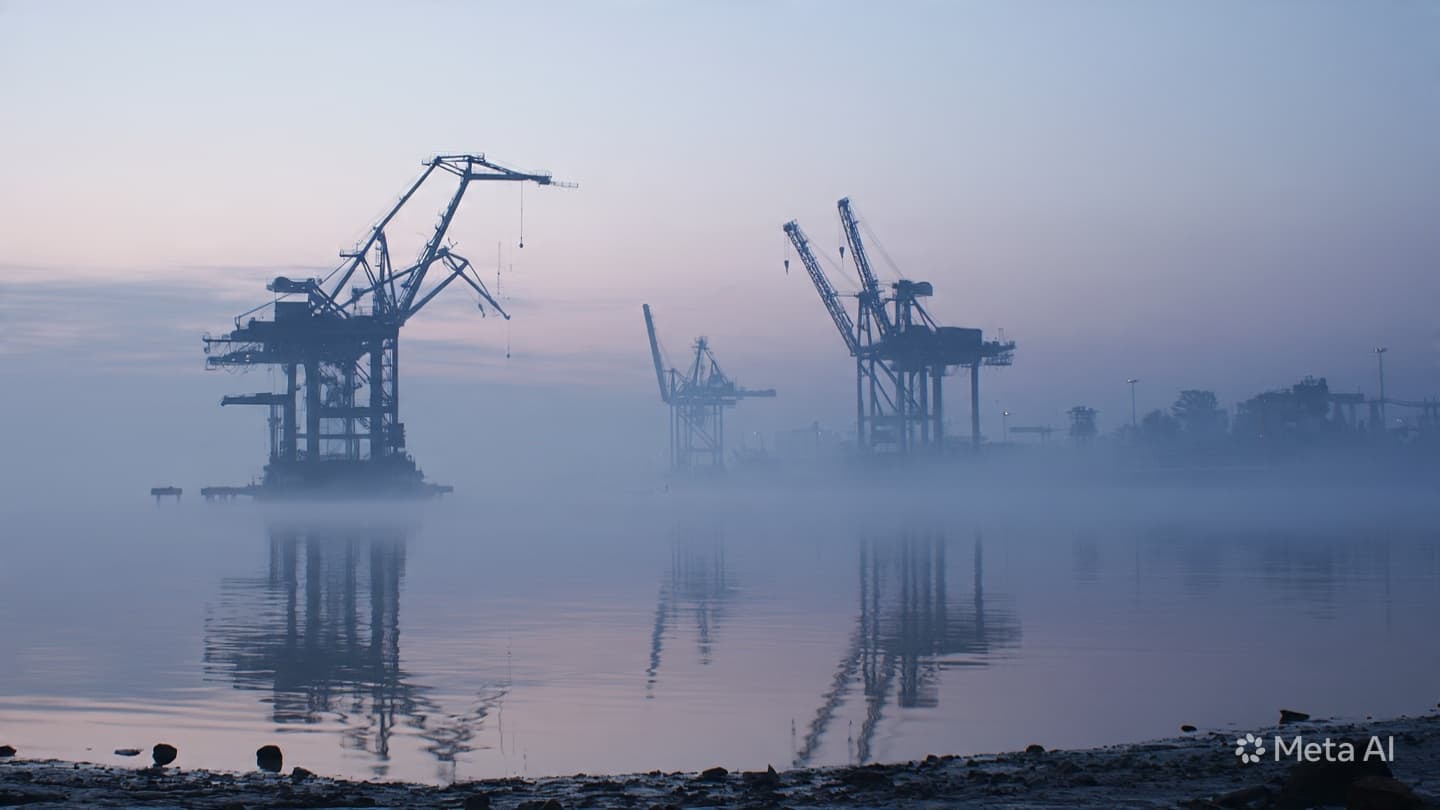
The river moves with a persistent, heavy indifference, carving its way through the landscape toward the sea. Along the banks near the port of Rosario, the air is thick with the scent of damp earth and the steady hum of mechanical industry. Here, the boundary between the land and the water is fluid, a place where the movement of goods and the passage of time seem to merge into a single, rhythmic process. It is a region defined by its transit, where the immense scale of logistics can often provide the perfect cover for those who move outside the margins, operating in the unseen spaces between the cargo and the tide.
In the quiet hours before the dawn, the port takes on a different character, shedding the frantic energy of the daylight shifts for a more calculated stillness. It is in this stillness that clandestine networks often find their rhythm, utilizing the sprawling complexity of the shipping infrastructure to obscure their movements. The recent dismantling of a smuggling network in this vicinity serves as a stark reminder of how deeply the illicit can become integrated into the essential. For the local observers, the sudden arrival of authorities was a fracture in the expected routine, a moment where the layers of industry were pulled back to reveal a hidden, darker architecture.
The operation to interrupt these activities was characterized by a patient, observational approach, as investigators navigated the intricate logistics of the riverside. By tracking the flow of materials and the subtle inconsistencies in the transport schedules, law enforcement was able to map the scope of the operation. The discovery of the smuggling hub was not merely a matter of finding contraband, but of understanding the sophisticated methodology that allowed it to thrive. This involved navigating the overlapping jurisdictions of local authorities and port security, all while maintaining the focus on a network that had carefully adapted to the environment.
As the crates were opened and the scale of the operation revealed, the local atmosphere shifted from one of industrial predictability to one of scrutiny. The workers and residents near the docks found themselves reflecting on the normalcy of their workdays, now punctuated by the presence of federal oversight. There is a profound sense of dislocation that comes with the revelation that one's surroundings, so central to the economic life of the region, have been co-opted for illicit ends. The river continues its relentless course, but the landscape along its banks feels altered, the silence of the docks now carrying the weight of the uncovered activities.
This disruption of the smuggling route is more than a tactical success; it is a signal of the changing nature of maritime security in the region. The perpetrators had invested in a system that relied on the sheer volume of trade to hide their movements, creating a facade of compliance that proved remarkably resilient until the moment of intervention. The investigation into the logistical links—the transport, the storage, and the final distribution—highlights the need for a more integrated approach to monitoring these high-traffic environments. The goal is to create a landscape where the sheer scale of the port is no longer an asset for the illicit, but a deterrent.
In the wake of the arrests, the focus has moved to the administrative and security failures that allowed such a breach to persist for as long as it did. The process of tightening these controls is inherently delicate, balancing the need for security with the essential flow of commerce that keeps the port alive. It is a task of recalibration, where new systems of oversight are being carefully integrated into the existing flow. For the people who live and work in the shadow of the cranes, this represents a period of transition, where the promise of a more secure environment must be reconciled with the realities of their daily, industrial lives.
The broader impact on the regional economy remains a subject of quiet contemplation. While the removal of such a network is a clear victory, it also underscores the persistence of the demand that fuels such activities. The river, in its vastness, remains a corridor for all manner of things, and the challenge lies in distinguishing the vital from the illicit within the constant movement. This realization forces a more nuanced conversation about the role of the port in the life of Rosario, and the responsibilities that accompany its position as a central node in the national economy.
As the situation stabilizes, the narrative of the port begins to return to its familiar, rhythmic pace. Yet, the memory of the intervention remains, a quiet testament to the fragility of order in such a sprawling space. The investigators continue their work, mapping the remnants of the network and ensuring that the connections are truly severed. In the end, the river remains the constant, a witness to the shifting tides of human endeavor, both the constructive and the clandestine. It is a reminder that in the space between the land and the sea, nothing ever truly disappears; it only changes, waiting for the light to catch it once again.
Published by Banx Network. This article is part of the Banx decentralized media programme, powered by the BXE token on the XRP Ledger.


