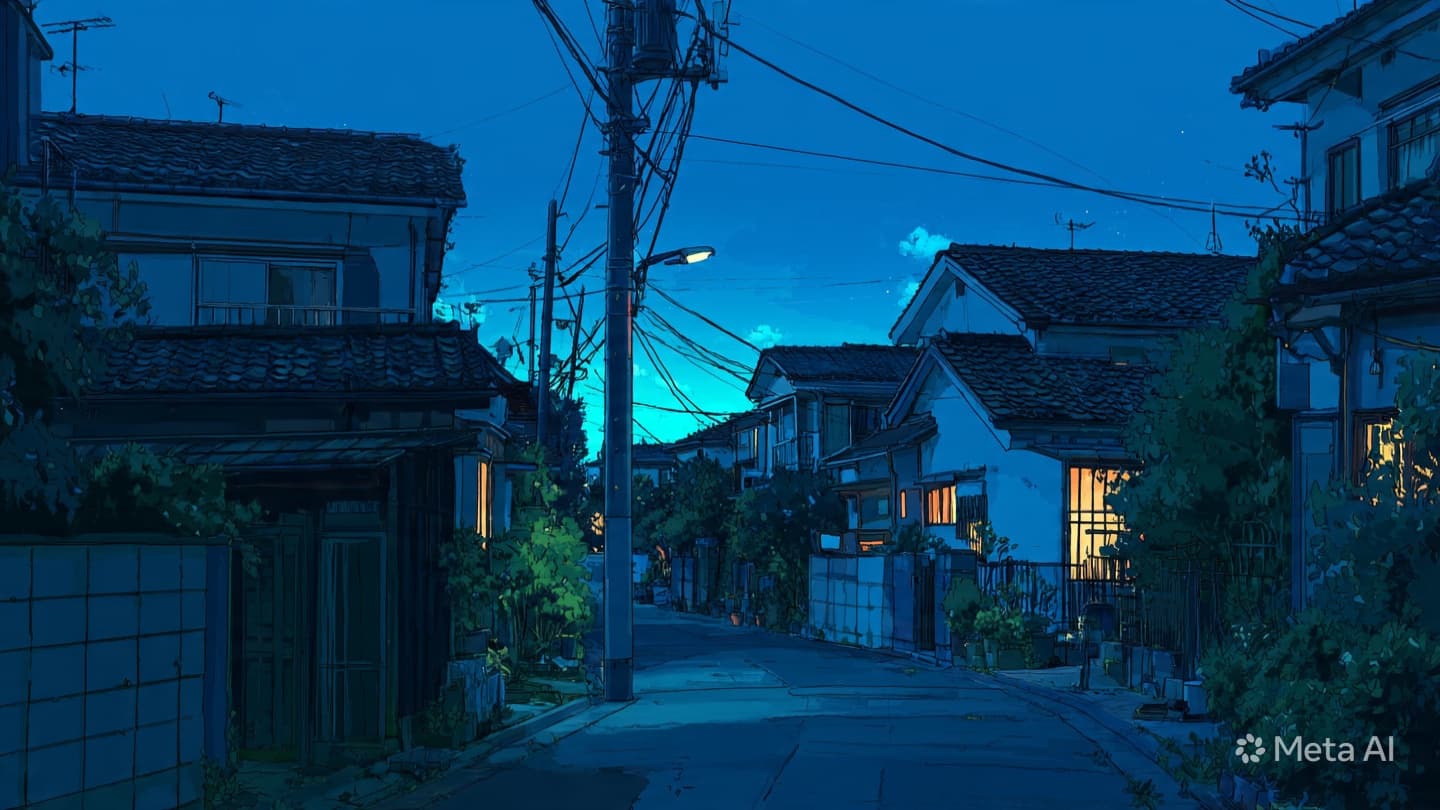
The residential neighborhoods that border the western edge of Tokyo are often celebrated for their quiet safety, spaces where families raise children away from the dense pressure of the central entertainment districts. Here, the narrow lanes are filled with the sounds of bicycles, early evening televisions, and the gentle chatter of students walking home from after-school academies. It is an environment that feels intrinsically protected, insulated from the harsher elements of contemporary society by a shared commitment to order. Yet, the modern home possesses an invisible doorway, an open portal through the screen that can invite the darkest currents of the world inside.
The tragedy that unfolded within a quiet home in this district began not with a physical intrusion, but with a series of digital interactions on an encrypted messaging platform. Four teenagers, individuals who had led ordinary lives in separate corners of the country, found themselves drifting into the orbit of an underground community that trafficked in high-paying, illicit tasks. Under the allure of quick financial gain, these youths accepted instructions from anonymous entities operating behind digital aliases—fictional masterminds who manipulated their targets with the cold precision of chess grandmasters.
The assignment, when it arrived through the glowing interface of their smartphones, was as simple as it was devastating: a residential break-in targeting an elderly couple known to keep substantial cash reserves on the premises. To watch the transition from digital coordinates to physical violence is to witness a terrifying collapse of moral boundaries. The youths, none of whom had a prior criminal history, traveled to the location by suburban train, their movements recorded by the city’s vast network of transit cameras as they converged on a home that had been selected for destruction.
The confrontation inside the residence quickly dissolved into a scene of chaotic and absolute horror. When the elderly occupants resisted the intrusion, the teenagers responded with a visceral, unchecked ferocity that resulted in a double robbery-homicide. The physical reality of the crime—the blood on the tatami mats, the scattered belongings, and the sudden cessation of two long lives—stands in stark and terrible contrast to the clean, abstract nature of the digital world from which it emerged. The youths fled into the night, leaving a community forever altered by an act of incomprehensible brutality.
The subsequent investigation by the Metropolitan Police Department was an urgent, high-stakes hunt that spanned multiple prefectures within forty-eight hours. Utilizing sophisticated cyber-forensics, detectives traced the digital footprints left by the perpetrators, reconstructing the encrypted chat logs that held the blueprint for the attack. The speed of the arrests was a testament to the state's investigative capacity, yet the youth of the suspects—ranging from sixteen to nineteen years old—sent a wave of profound shock through the national consciousness.
As the details of the case are slowly released through formal police briefs, the focus of the investigation has shifted toward identifying the anonymous masterminds who orchestrated the attack from the safety of the dark web. These distant manipulators utilize specialized recruitment algorithms to target vulnerable or financially desperate youths, insulating themselves from criminal liability while exploiting the impressionable nature of adolescence. It is a new and sinister taxonomy of crime, one that treats human lives as disposable instruments within a decentralized network of violence.
The four teenagers now sit within the austere confines of a juvenile detention facility, facing charges that carry the heaviest penalties available under the national penal code. The transition from the comfortable anonymity of an online chat room to the absolute reality of a murder indictment is a lesson learned too late. Their families, caught in the devastating wake of their children's actions, can only look on in silent bewilderment, struggling to reconcile the gentle children they thought they knew with the perpetrators of a capital crime.
As the autumn wind rustles the ginkgo trees along the avenues of western Tokyo, a quiet vigilance has returned to the neighborhood where the tragedy occurred. The house where the elderly couple lived remains closed, its entrance marked by a few solitary bouquets of white chrysanthemums left by grieving neighbors. Parents walk their children home with a tighter grip, their eyes drawn not to the physical dark alleys of the city, but to the glowing screens held in their children's hands, wondering what worlds are unfolding just behind the glass.
Published by Banx Network. This article is part of the Banx decentralized media programme, powered by the BXE token on the XRP Ledger.