Few waterways carry as much symbolic and economic weight as the Strait of Hormuz. Narrow in geography yet vast in influence, this maritime corridor often reflects the broader mood of the Middle East and the global economy.
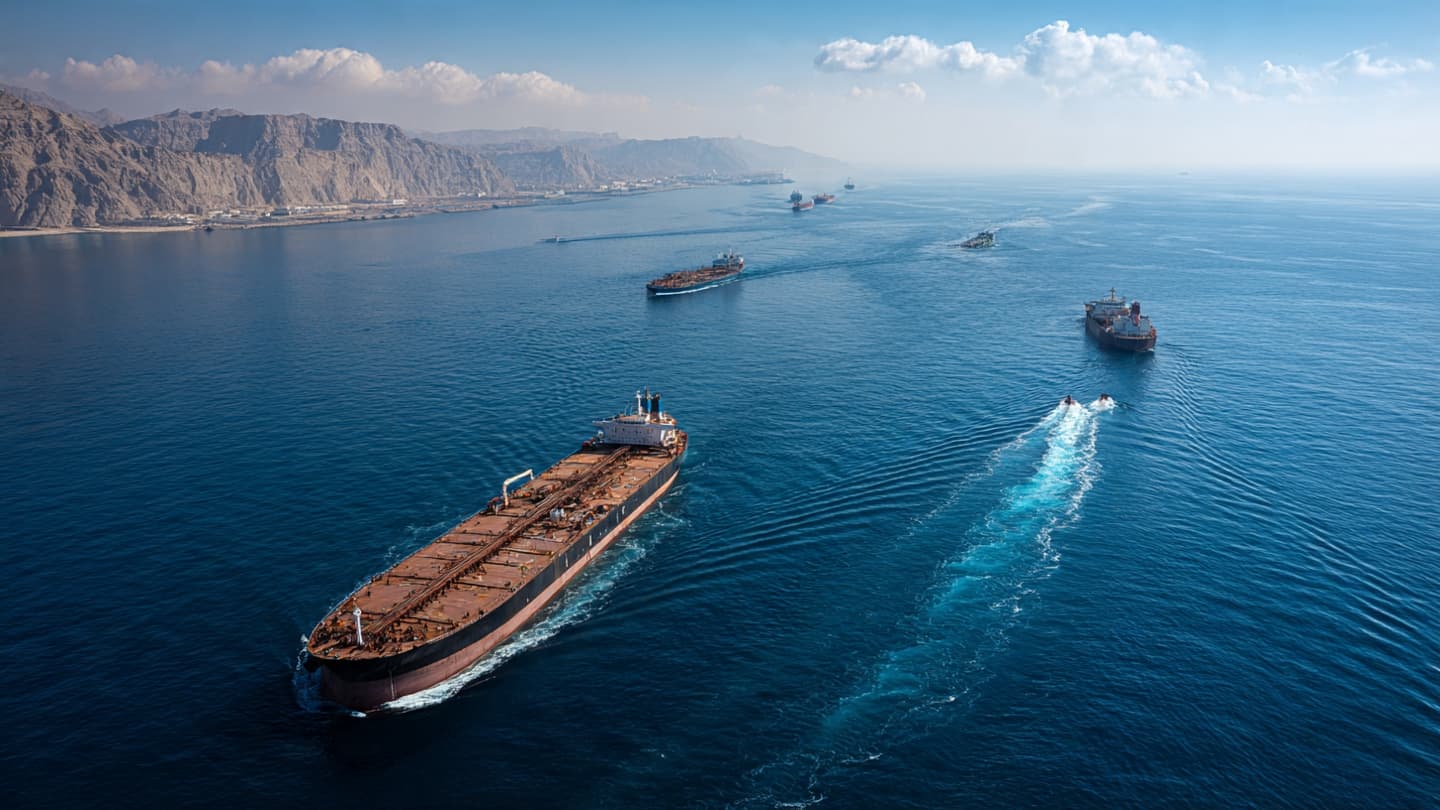
Shipping traffic through the Strait of Hormuz has begun showing signs of gradual recovery following a period of heightened regional tensions. Maritime tracking data indicate that commercial vessel movements are increasing, although activity has not yet fully returned to previous levels.
The strategic waterway, located between Oman and Iran, handles a substantial portion of the world's seaborne oil trade. Any disruption in the region is closely monitored by governments, energy companies, and financial markets worldwide.
Recent geopolitical tensions prompted some shipping companies to adopt additional security measures or temporarily alter routes. Concerns over maritime safety also contributed to increased insurance costs for vessels operating in the Gulf.
Industry analysts report that confidence among shipping operators has improved as regional tensions have eased. However, many companies continue exercising caution, maintaining enhanced security protocols while monitoring developments closely.
Energy markets have responded by stabilizing after earlier volatility. Oil prices, which often react sharply to disruptions in the Gulf, have moderated as concerns over prolonged interruptions have diminished.
International naval forces operating in the region continue conducting maritime security missions aimed at ensuring safe navigation. Shipping associations have emphasized the importance of maintaining open sea lanes for global trade.
Economists note that uninterrupted transit through the Strait of Hormuz remains essential for global energy security. Even short-term disruptions can influence supply chains, transportation costs, and consumer prices far beyond the Middle East.
While vessel traffic is recovering, maritime experts caution that geopolitical dynamics in the region remain complex. Continued diplomatic engagement is widely viewed as important for preserving long-term stability.
AI Image Disclaimer: Some images used to accompany this article are AI-generated visual interpretations of maritime activity and regional shipping operations.
Sources: Reuters, Lloyd's List, Associated Press, Bloomberg
Published by Banx Network. This article is part of the Banx decentralized media programme, powered by the BXE token on the XRP Ledger.