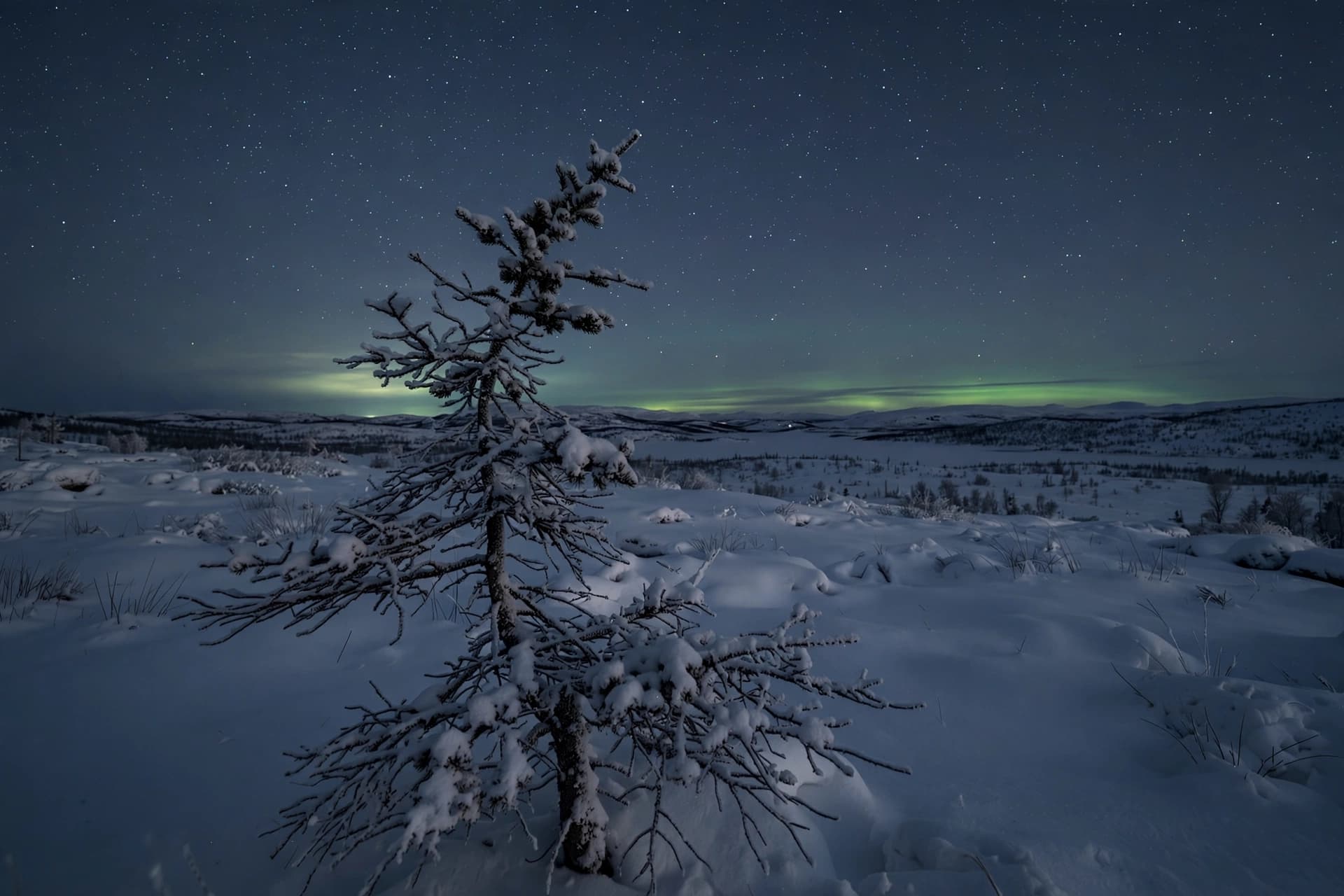
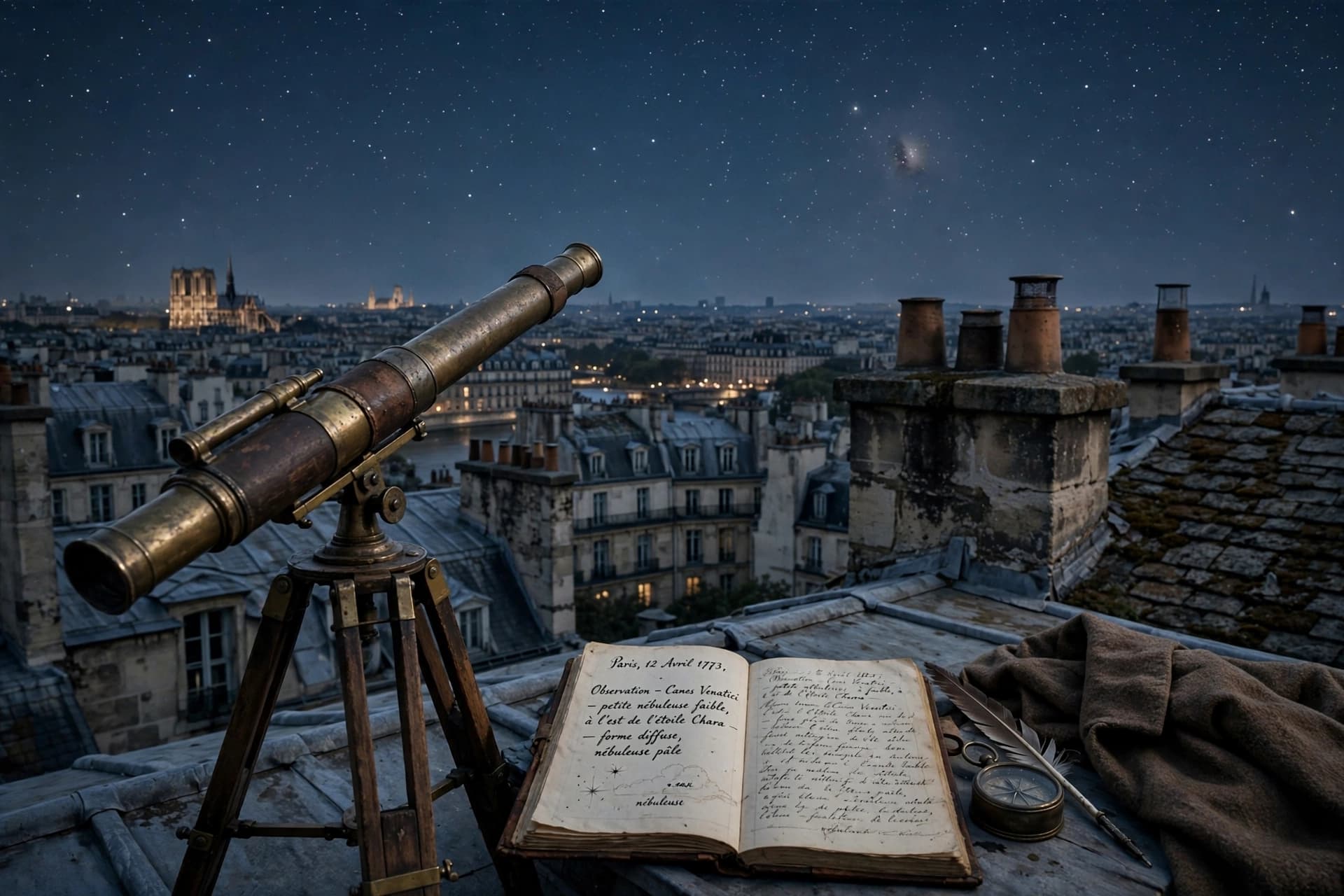
The evening sky has long served as a quiet theater for human reflection, where distant lights drift above cities and fields with patient rhythm. This weekend, that familiar darkness offers another gentle performance as three planets align visibly after sunset, creating what many skywatchers describe as a “planet parade.” Though the cosmos moves without concern for human schedules, moments like these often remind observers how closely wonder and routine can coexist.
Astronomers say the event will allow viewers in many regions to see bright planets appearing together shortly after dusk. Depending on local weather and viewing conditions, observers may spot, and glowing in different parts of the western sky.
Unlike rare eclipses or meteor storms, planetary alignments often unfold quietly over several nights. The planets themselves remain separated by vast distances in space, but from Earth’s perspective they appear arranged within the same broad section of the sky. Astronomers explain that these visual gatherings result from the orderly motion of planets orbiting the Sun.
Skywatching organizations noted that no specialized equipment is necessary for basic viewing. Clear horizons and reduced light pollution can improve visibility, particularly during the first hour after sunset. Binoculars may reveal additional detail, though the brighter planets are expected to remain visible to the naked eye in favorable conditions.
Events like these continue to attract public interest because they connect everyday observers with astronomical motion that usually goes unnoticed. For many people, seeing multiple planets at once creates a sense of perspective rarely found in daily life. The distant worlds appear calm and steady, even as life on Earth moves quickly beneath them.
Astronomy educators also describe planetary alignments as opportunities to encourage broader interest in science and observation. Public observatories and amateur astronomy groups frequently organize community viewing sessions during visible celestial events, especially when they are easily accessible to casual viewers.
The term “planet parade” itself is informal rather than scientific, but it has become widely used in media and public discussions to describe multiple visible planets sharing the sky. Experts note that such alignments vary in brightness and visibility depending on atmospheric conditions and seasonal positioning.
As darkness settles this weekend, many observers may pause briefly beneath the evening sky, looking upward not for urgency, but for quiet continuity. The planets will continue their long journeys regardless of who notices, yet their brief appearance together offers a moment of shared curiosity across different places and generations.
Astronomers say the viewing window will remain open for several evenings, weather permitting. Observers are encouraged to check local sunset times and seek areas with minimal cloud cover for the clearest experience.
AI Image Disclaimer: Visual illustrations accompanying this article were created with AI-generated imagery for atmospheric representation.
Sources: NASA, Space.com, Sky & Telescope, EarthSky, Reuters
Published by Banx Network. This article is part of the Banx decentralized media programme, powered by the BXE token on the XRP Ledger.