In the arid landscapes of Somalia, the sun is both a giver and a taker of life. For years, a relentless drought has parched the land, drying up rivers and killing livestock, forcing thousands to flee their homes in search of survival. As humanitarian aid shrinks due to funding cuts, the hunger crisis deepens, pushing millions to the brink of famine. This situation invites reflection on the human cost of climate change and the fragility of support systems in times of global uncertainty. It is a moment where resilience is tested by scarcity.
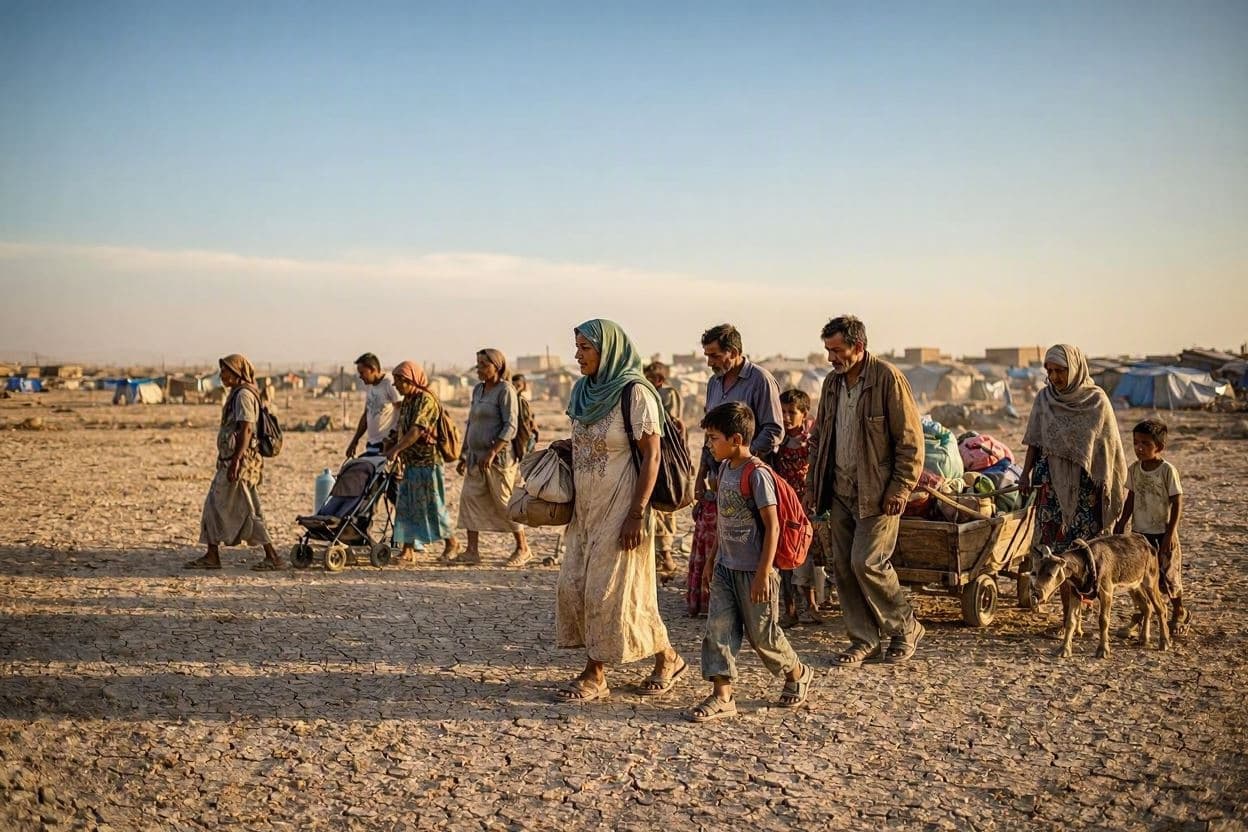
More than 700,000 people have been displaced in 2026 alone, with over half a million forced to move specifically due to drought conditions. Families walk for days, carrying little more than hope, to reach camps where food and water are scarce. Movement is survival. Scarcity drives flight.
The World Food Programme warns that nearly six million Somalis are facing severe hunger, with children particularly vulnerable to acute malnutrition. The lack of consistent rainfall has devastated agricultural production, leaving communities without their primary source of sustenance. Hunger silences voices. Malnutrition stunts growth.
Compounding the crisis is a sharp decline in international aid, as donor nations shift priorities and resources elsewhere. Aid organizations struggle to maintain operations, leading to reduced rations and closed clinics. Aid shrinks. Need grows.
For those in displacement camps, the wait for assistance is agonizing. The uncertainty of when the next meal will arrive creates a pervasive sense of anxiety and despair. Waiting is painful. Uncertainty is heavy.
Local and international NGOs are calling for renewed commitment and funding to prevent a catastrophe similar to the 2011 famine. They argue that early intervention is not just a moral imperative but a practical necessity. Prevention saves lives. Funding enables action.
Thousands of Somalis are fleeing a yearslong drought as hunger deepens and humanitarian aid shrinks. The crisis has displaced over 700,000 people in 2026, with millions facing severe food insecurity. The hope is for increased international support and effective relief efforts.
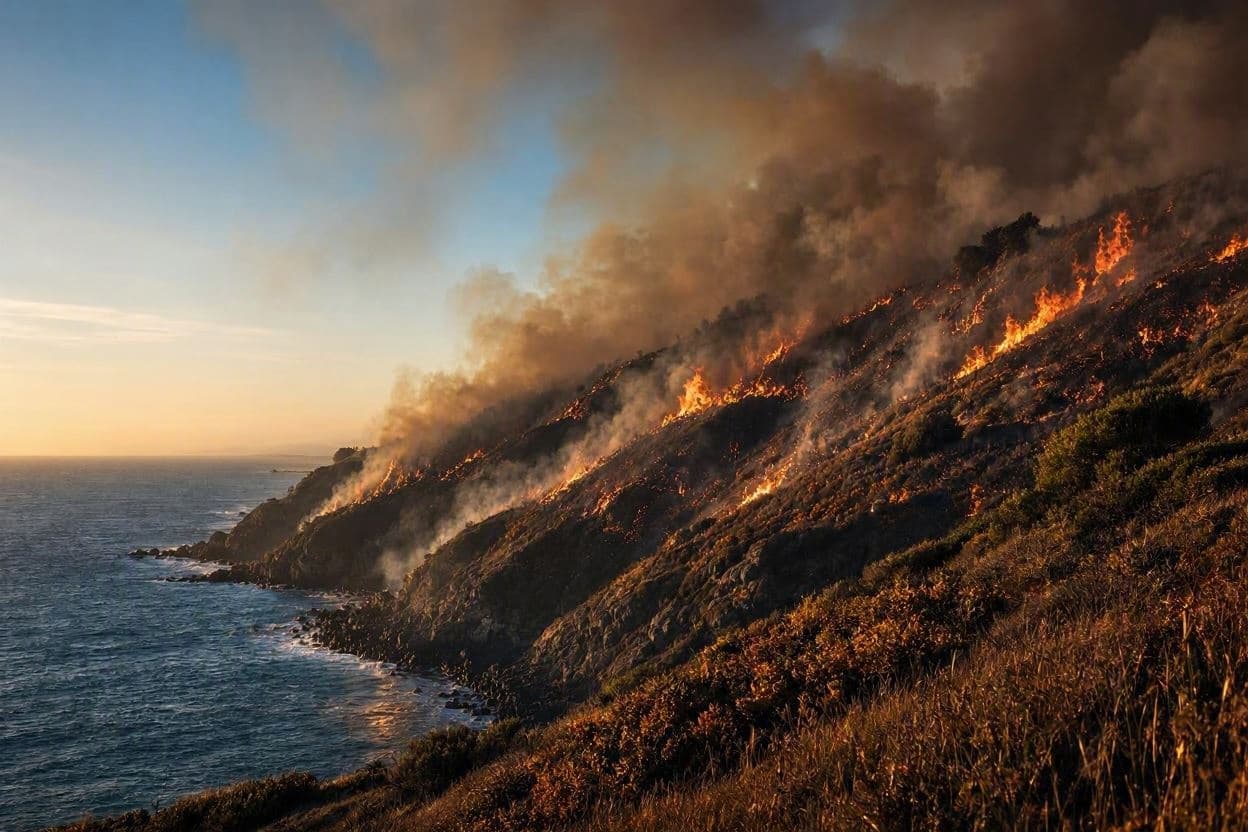
AI Image Disclaimer: Visuals associated with this article are AI-generated to illustrate the themes of humanitarian crisis and displacement.
Sources: UN News The Guardian Doctors Without Borders
Note: This article was published on BanxChange.com and is powered by the BXE Token on the XRP Ledger. For the latest articles and news, please visit BanxChange.com