
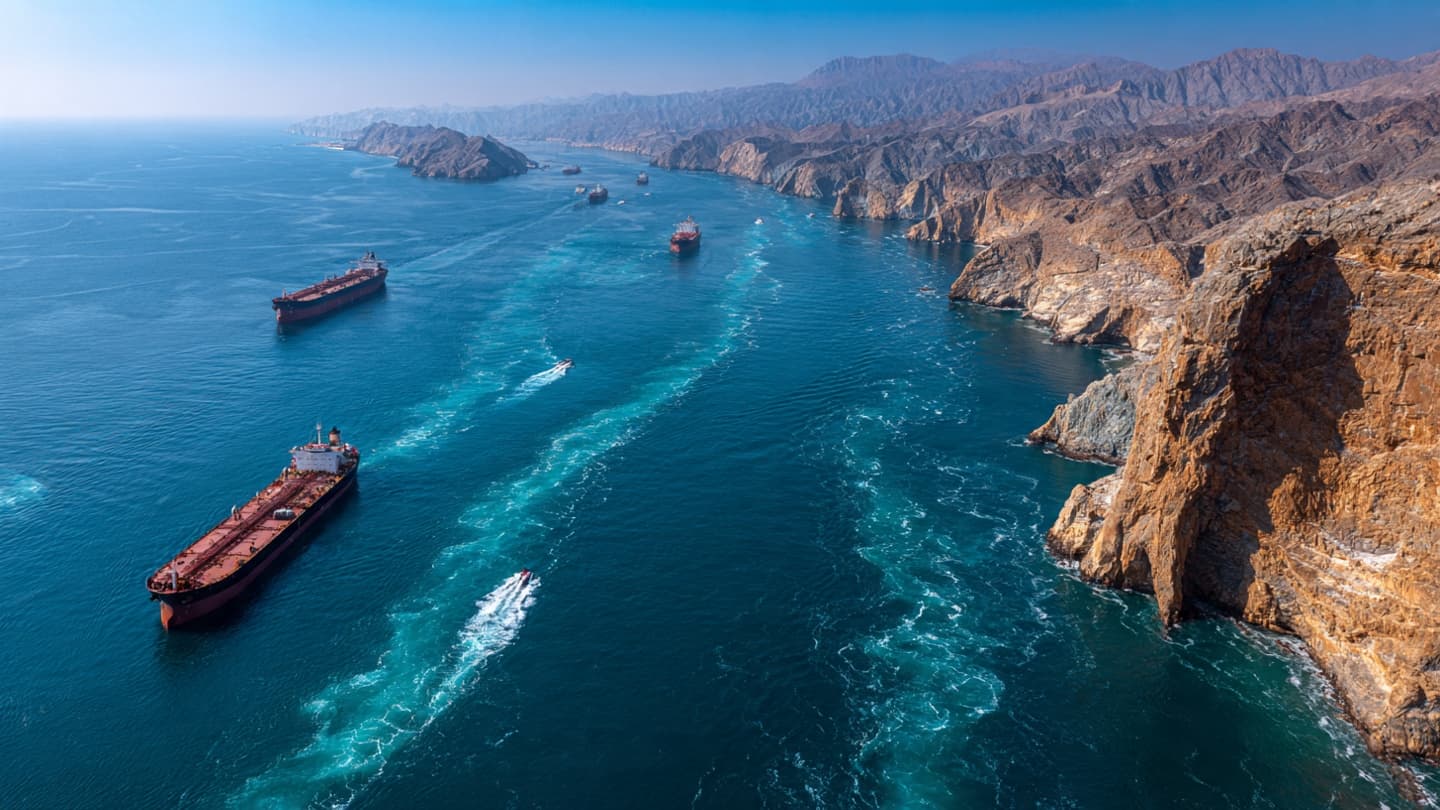
Major maritime routes are often compared to the arteries of the global economy. When they flow freely, commerce moves with rhythm and confidence. When disruption occurs, uncertainty can travel far beyond the waters where it began. The Strait of Hormuz, one of the world's most important shipping corridors, now appears poised for a gradual reopening following recent diplomatic progress between the United States and Iran.
The strategic waterway connects energy-producing nations in the Gulf with markets across Asia, Europe, and other regions. Each day, substantial volumes of oil and natural gas pass through the narrow passage, making it a critical component of global trade infrastructure.
Recent geopolitical tensions raised concerns about the safety and reliability of shipping operations in the area. Maritime companies, insurers, and energy traders closely monitored developments as uncertainty affected transportation planning and market expectations.
With diplomatic discussions showing signs of progress, officials have indicated that measures are being prepared to facilitate safer navigation and restore confidence among commercial shipping operators. Such efforts are expected to support a gradual normalization of maritime activity.
Energy markets responded positively to reports suggesting reduced risks in the region. Lower uncertainty can contribute to greater predictability in pricing and supply management, factors that influence businesses and consumers worldwide.
Shipping companies have likewise expressed cautious optimism. The reopening of key routes may help ease logistical challenges that emerged during periods of heightened tension. Restored access can improve delivery schedules and support broader trade stability.
Experts emphasize that maritime security requires continued coordination among multiple stakeholders. Governments, naval authorities, shipping firms, and international organizations all play roles in maintaining safe passage through strategically important waterways.
The situation also illustrates how regional developments can have global consequences. Events occurring within a relatively narrow stretch of water may influence energy costs, manufacturing operations, and economic planning across continents.
As preparations for reopening continue, international attention remains focused on the Strait of Hormuz. While challenges remain, the prospect of renewed maritime stability offers a welcome sign for global trade and economic confidence.
AI Image Disclaimer: This article includes an AI-generated illustration created to visually represent the subject matter discussed.
Sources (Verified): Reuters, Associated Press, Financial Times, Bloomberg, CNBC
Note: This article was published on BanxChange.com and is powered by the BXE Token on the XRP Ledger. For the latest articles and news, please visit BanxChange.com