
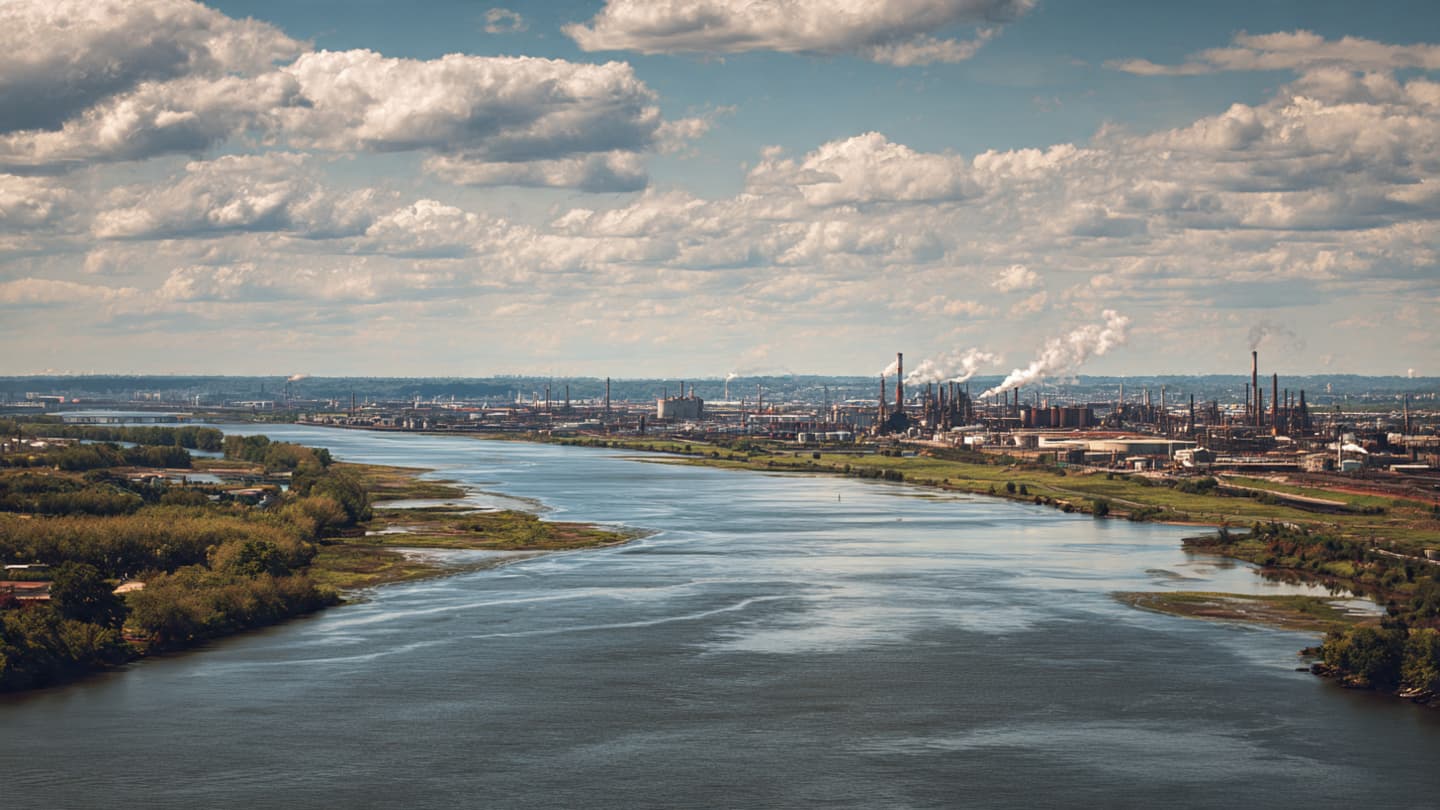
Rivers have long carried more than water. They transport memory, commerce, agriculture, and life itself through cities, forests, and valleys across the planet. Yet beneath their familiar movement, scientists say an important transformation is quietly unfolding. Around the world, many rivers are gradually losing oxygen.
According to a recent international analysis involving more than 21,000 river systems, dissolved oxygen levels have declined significantly in numerous waterways over recent decades. Researchers describe the trend as complex but increasingly linked to rising temperatures, pollution, and changing ecological conditions.
Oxygen within rivers plays a critical role in sustaining aquatic ecosystems. Fish, insects, microorganisms, and plant life all depend on balanced oxygen levels to survive. When oxygen declines too sharply, ecosystems can become stressed, biodiversity may decrease, and water quality often deteriorates.
Scientists explain that warmer water naturally holds less oxygen. As global temperatures rise, rivers exposed to prolonged heat may experience accelerated oxygen loss. In addition, fertilizer runoff, industrial waste, and urban pollution can intensify biological activity that further consumes available oxygen.
The problem does not affect every river equally. Some waterways remain relatively stable, while others face more severe changes due to regional climate conditions or human development. Researchers note that heavily populated and industrialized regions often experience stronger environmental pressure on freshwater systems.
For communities that rely directly on rivers, the implications can extend beyond ecology. Fisheries, agriculture, drinking water systems, and tourism industries may all feel the effects of declining river health. In certain areas, local governments are already investing in restoration programs aimed at improving water management and reducing contamination.
Environmental scientists emphasize that river systems are remarkably dynamic and resilient when properly protected. Wetland restoration, improved wastewater treatment, sustainable farming practices, and stricter pollution controls have shown measurable benefits in several regions around the world.
The study also reflects a broader scientific effort to understand how climate change interacts with freshwater ecosystems. Oceans often receive greater public attention in environmental discussions, yet rivers remain equally essential to biodiversity and human civilization. Their condition frequently serves as an indicator of wider ecological balance.
Researchers say continued monitoring will be necessary to determine how rapidly these oxygen trends evolve in coming decades. For now, the findings offer another reminder that environmental change often emerges not through dramatic headlines alone, but through gradual shifts in the systems people depend upon every day.
AI Image Disclaimer: Certain illustrations accompanying this environmental report were produced using AI-generated imagery for editorial presentation.
Sources ScienceDaily Nature Reuters National Geographic Environmental Protection Agency BBC
Note: This article was published on BanxChange.com and is powered by the BXE Token on the XRP Ledger. For the latest articles and news, please visit BanxChange.com