
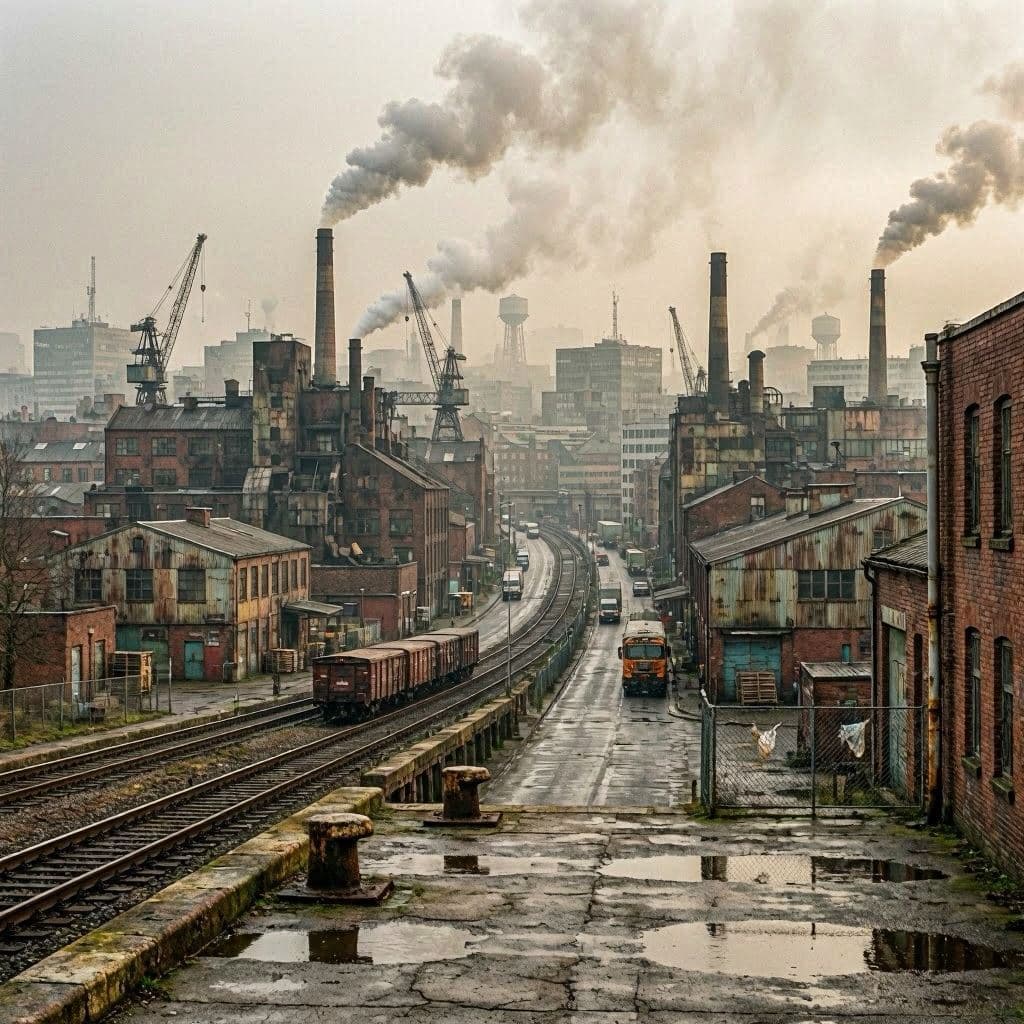
In the vast expanse of Russia, where industrial cities often wear a haze of gray as a second skin, the issue of pollution is both visible and pervasive. From the smog-choked streets of Moscow to the contaminated rivers of Siberia, environmental degradation is a daily reality for millions. Yet, amidst this growing ecological crisis, a different narrative emerges from the public discourse: many Russians say they have bigger worries. This sentiment reflects a complex hierarchy of needs, where immediate survival and political stability often take precedence over long-term environmental health.
The pollution problem in Russia is well-documented, with air quality indices frequently reaching hazardous levels in major urban centers. Industrial emissions, outdated infrastructure, and lax enforcement of environmental regulations contribute to a landscape that is often toxic. Health experts warn of the long-term consequences, including respiratory diseases and reduced life expectancy. However, for many citizens, these risks are overshadowed by more immediate concerns such as economic insecurity, geopolitical tensions, and social instability.
This prioritization is not unique to Russia but is particularly pronounced in contexts where political space for civil society is limited. Environmental activism, once a vibrant force, has faced increasing restrictions, making it difficult for citizens to organize and demand change. When the avenues for protest are narrowed, and the media landscape is controlled, public attention naturally shifts to issues that feel more urgent and personal. The environment, while critical, can seem like a luxury concern in times of crisis.
Moreover, there is a sense of fatalism among some populations, who feel powerless to effect change in the face of state-controlled industries and centralized decision-making. The belief that individual actions cannot alter systemic problems leads to a form of disengagement. People may acknowledge the pollution, but they do not see it as something they can influence, leading to a passive acceptance of the status quo.
Despite this, there are pockets of resistance and awareness. Local communities sometimes rally against specific projects, such as waste dumps or factory expansions, showing that environmental concern is not absent but rather fragmented. These local victories, though small, demonstrate that when the threat is immediate and tangible, people are willing to act. The challenge lies in scaling this awareness to a national level and connecting it to broader political demands.
The government’s response has been mixed, with occasional pledges to improve environmental standards but little substantive action. The focus remains on economic growth and national security, with environmental protection often treated as a secondary priority. This approach may yield short-term stability but risks long-term damage to both public health and the natural resource base that the economy depends on.
As the pollution deepens, the question remains whether the threshold for public action will eventually be crossed. History shows that environmental crises can become catalysts for broader social change, but this requires a level of organization and freedom that is currently constrained. Until then, the silence on pollution is not necessarily agreement but a reflection of competing pressures and limited agency.
In the end, the situation in Russia serves as a poignant reminder of the interconnectedness of political, economic, and environmental issues. It highlights the difficulty of addressing ecological challenges in contexts where basic rights and freedoms are under pressure. The hope is that as conditions evolve, space will open for a more holistic approach to well-being, one that includes a healthy environment as a fundamental right.
AI Image Disclaimer: Please note that any images associated with this article are AI-generated interpretations intended for illustrative purposes only and do not represent actual photographs of the events or individuals described.
Sources: The Moscow Times BBC News Reuters Al Jazeera Bellum
Note: This article was published on BanxChange.com and is powered by the BXE Token on the XRP Ledger. For the latest articles and news, please visit BanxChange.com