
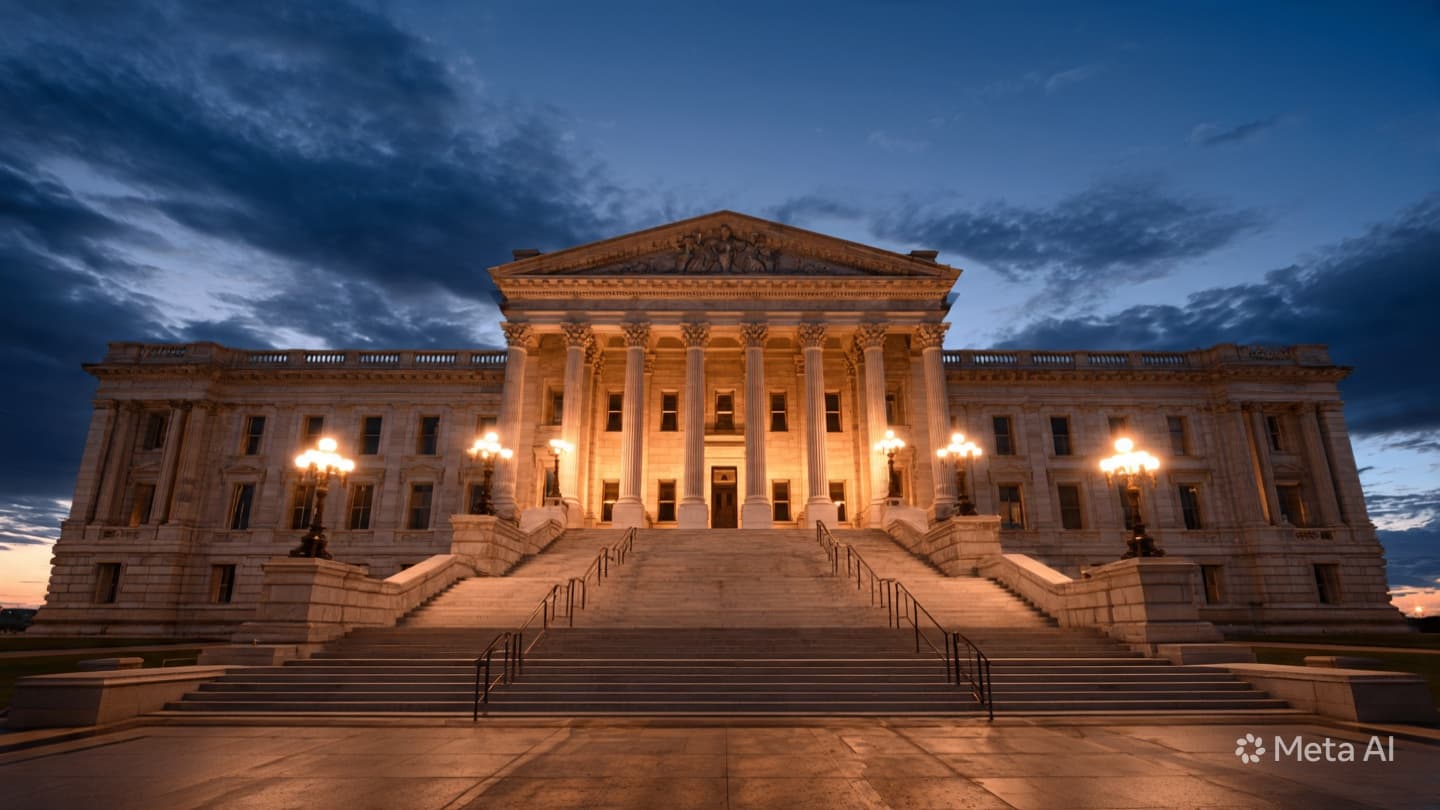
There are certain dates that become permanently etched into the geography of a town, moments where the normal flow of time is violently interrupted, leaving a permanent scar on the collective memory. For the communities surrounding Mladenovac, the memory of a sudden, devastating mass firearm incident remains an open wound, a shadow that colors the way the evening wind is heard through the hills. The landscapes here are beautiful, characterized by rolling orchards and quiet villages, yet for many, that beauty has been permanently juxtaposed against the memory of a single night of uncontained chaos. It is a reminder that tragedy does not choose its location based on the landscape; it can breach the peace of the most serene valley.
For months, the region has existed in a state of suspended animation, waiting for the slow, deliberate wheels of the judiciary to complete their necessary rotations. The legal process is intentionally designed to be devoid of passion, a cool and structured environment where emotion is replaced by evidence and testimony is weighed against the strict lettering of the law. This deliberate pacing can feel agonizing to a community carrying a heavy burden of grief, yet it is the only method society possesses to restore a sense of equilibrium after a catastrophic breach of the social order. The courtroom becomes a place where the collective pain is systematically translated into the formal language of justice.
The announcement of the final sentences by the judiciary brings a profound, heavy stillness to the region, a collective intake of breath as the finality of the decision settles over the valleys. The confirmation of maximum penalties is not met with celebration or public cheering; instead, it is received with a sober, reflective quiet. There is an unspoken understanding that no amount of time served or legal pronouncement can truly restore what was lost on that dark night. The verdict is accepted not as a cure, but as a boundary marker, a formal declaration that the state has exacted the highest price allowed by its laws.
Inside the courtroom, the reading of the judgment is conducted with absolute administrative restraint, the judge’s voice steady and clear as it fills the crowded room. The defendants listen from behind security glass, their faces reflecting the stark reality of a future entirely contained within institutional walls. For the families of the victims who occupy the gallery benches, the moment is a complex tapestry of relief and enduring sorrow. They hold hands in the dim light, their faces etched with the exhaustion of a long journey through the legal system, finding a fragile point of closure in the finality of the words.
To understand the impact of such a judicial conclusion, one must look away from the courtroom steps and into the quiet kitchens of the surrounding villages. The news is carried over local radio stations and discussed in low tones across garden fences, the conversations marked by a deep, weary sobriety. The community does not suddenly forget its loss; rather, it begins the long, slow process of integrating the tragedy into its permanent history, moving from the active trauma of a trial to the quiet endurance of remembrance. The maximum sentences provide a legal floor upon which this rebuilding process can slowly begin.
The legal machinery, having fulfilled its primary function, begins to dismantle its temporary structures, archiving the thousands of pages of testimony, ballistic reports, and forensic data into the permanent registry of the state. These files will remain as a silent, historical testament to a period of intense societal testing, a record of how a nation's legal framework responded to an extraordinary act of violence. Outside the courthouse, the daily life of the city quickly reasserts itself, the traffic moving through the plazas and the pedestrians hurrying to their appointments under the gray afternoon sky.
In the wider national landscape, the Mladenovac verdict stands as a significant moment of judicial resolve, a clear statement regarding the consequences of mass violence within a civil society. For the prosecutors and defense attorneys who spent months preparing their arguments, the conclusion represents the end of an intense professional and human challenge. They step away from the podiums, packing their briefcases and returning to the ordinary business of the law, leaving the community to carry the long-term resonance of the verdict.
As the evening settles over the hills of Mladenovac, the lights in the village windows appear one by one, casting a warm, familiar glow across the dark countryside. The orchards stand silent in the cool air, their branches swaying slightly in the breeze that moves down from the mountains. The pain of the past remains, but it is now accompanied by the quiet certainty that the legal accounting is complete, allowing the valley to turn its face toward the slow, quiet work of tomorrow.
The Higher Court yesterday evening formally confirmed the imposition of maximum statutory sentences for the individuals convicted in the Mladenovac mass shooting incident. The judicial panel rejected all defense appeals, finalizing the multi-year prison terms and bringing a conclusion to the landmark criminal proceedings.
Note: This article was published on BanxChange.com and is powered by the BXE Token on the XRP Ledger. For the latest articles and news, please visit BanxChange.com