
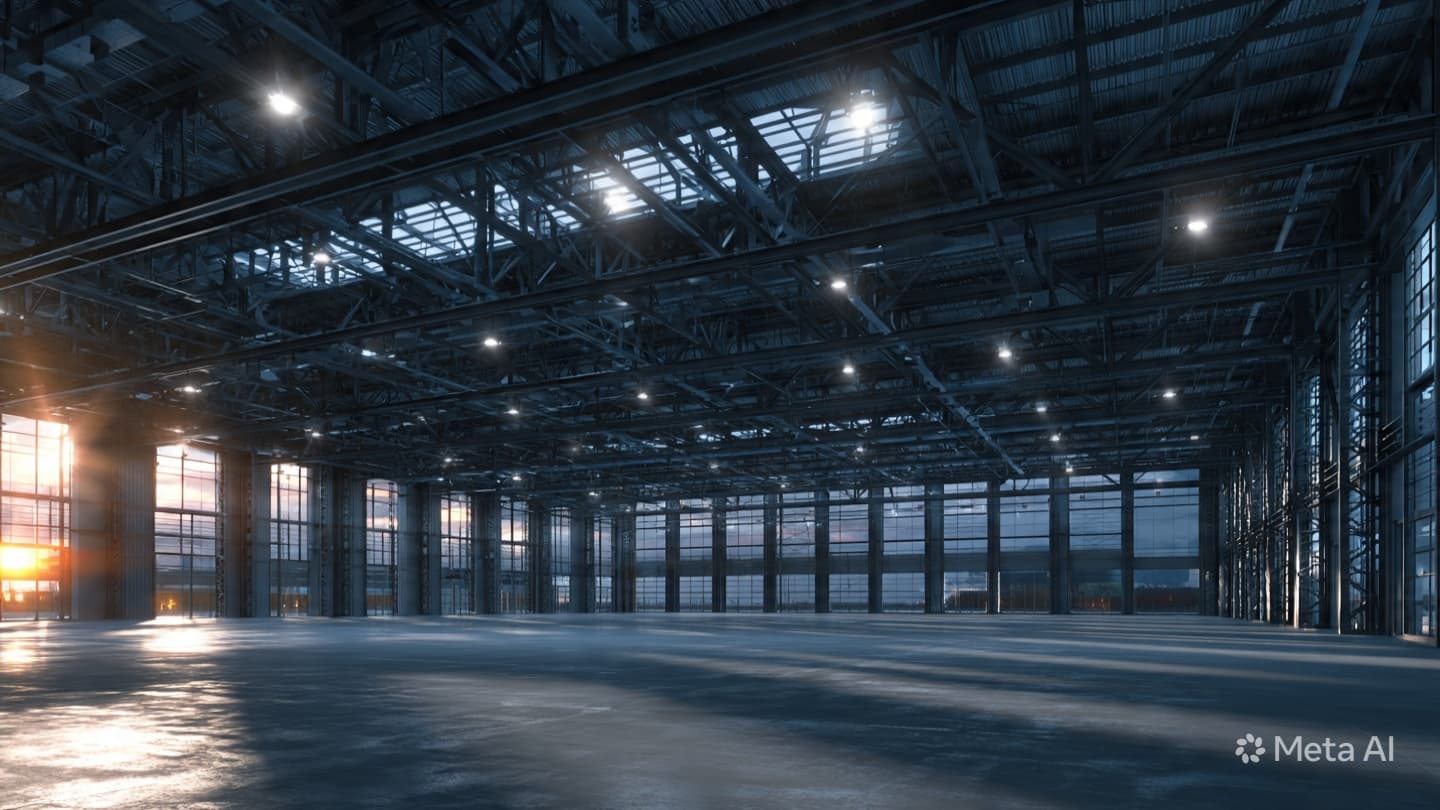
The architectural integrity of a warehouse is often taken for granted, perceived as a static, immovable presence within the industrial landscape of Valle del Cauca. These vast, cavernous spaces are designed to hold the surplus of our productivity—the materials, the goods, and the inventory that fuel the region's economy. Yet, beneath the heavy steel rafters and the concrete floors, there exists a delicate equilibrium of forces. When that balance falters, the resulting structural failure is a jarring reminder that even the most robust human-made structures are subject to the slow, inevitable processes of aging, fatigue, and the quiet toll of environmental pressures.
When the unexpected occurs—a collapse, a buckle, or a sudden, localized failure—the atmosphere of the workplace is transformed in an instant. The routine hum of logistics is silenced, replaced by the chaotic, urgent sounds of emergency response. Two individuals were caught in the wake of such a failure, their lives altered by the sudden surrender of the very framework intended to protect them. It is a sobering event that shifts the focus from the efficiency of output to the fundamental fragility of the spaces we inhabit for the majority of our waking hours.
Responders moved through the debris with careful, deliberate intent, their actions dictated by the need for both speed and safety in a compromised environment. There is a profound, quiet gravity in this type of work, where every maneuver must account for the instability of the remaining structure. The injuries sustained by the two workers are a visceral manifestation of the incident, a human cost that demands more than just a procedural response. It invites a deeper inquiry into the maintenance, the load-bearing capacities, and the unseen structural stressors that define our industrial environments.
Engineers and investigators will now dissect the collapse, searching for the point where the material failed to meet the structural demand. This process is essential, a way of turning a moment of chaos into a set of actionable, preventative insights. Yet, the analytical rigor of such an investigation can sometimes mask the human reality of the event. For those involved, the warehouse is no longer just a site of labor; it is the place where their sense of safety was profoundly shaken, a site of trauma that will linger long after the rubble is cleared and the reports are filed away.
In the wider context of Valle del Cauca, a region deeply invested in its manufacturing and logistics infrastructure, such incidents serve as a quiet, powerful warning. They underscore the necessity of constant, rigorous oversight and the reality that industrial ambition must always be tethered to a commitment to structural safety. We tend to view our buildings as permanent, but they are, in fact, active participants in a fragile, ongoing struggle against gravity and the passage of time.
As the site is secured and the investigations move forward, the community reflects on the incident with a mixture of concern and resignation. The warehouse will eventually be restored, and the routine of the region will resume, but the memory of the collapse will remain as a reminder of the inherent risks we manage. It is a call to revisit the standards we set and the vigilance we maintain, ensuring that the spaces built for progress do not become the sites of unintended harm.
Ultimately, the event serves as a meditation on the limits of human engineering. We create vast, complex environments to sustain our way of life, yet we are constantly reminded that these structures are subject to the same laws of decay and instability as the natural world. The two individuals injured in this failure are a reminder of our vulnerability, a prompt to continue the essential, often invisible work of maintenance and safety that allows our modern world to function, however precariously, from day to day.
As we look toward the future of infrastructure in the region, the lessons learned from this warehouse collapse will be integrated into the broader conversation about building standards and safety culture. It is a process of incremental improvement, a quiet effort to build more resilient, more secure environments for all. The tragedy is that it often takes the failure of a structure to remind us of the imperative of safety, but the resilience shown by the responders and the community is a testament to our collective commitment to move forward, wiser and more cautious than before.
Note: This article was published on BanxChange.com and is powered by the BXE Token on the XRP Ledger. For the latest articles and news, please visit BanxChange.com