
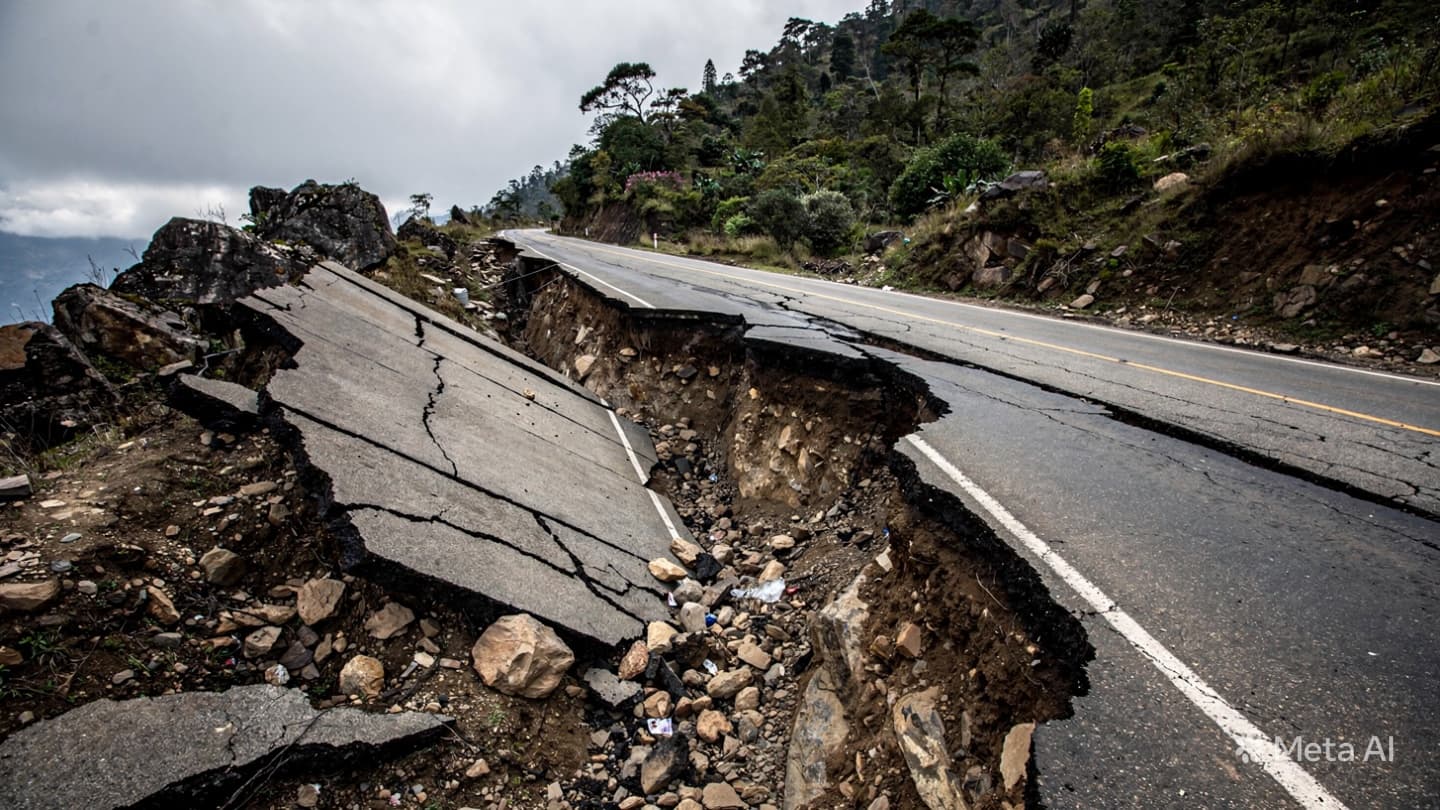
The high western department of San Marcos is celebrated for its intricate, stepped topography, where ancestral communities have transformed the steep volcanic hillsides into highly productive agricultural terraces. For centuries, this vertical landscape has been carefully managed to produce high-yield crops of potatoes, maize, and highland vegetables, utilizing traditional stone walls and sophisticated soil conservation techniques to anchor the earth. There is an immense, multi-generational dedication embedded within these vertical plots, where every square meter of arable land represents a significant investment of manual labor and communal pride. The local population possesses an intimate bond with the soil, living in a quiet, sustainable equilibrium with the vertical realities of the high country.
However, the occurrence of intense, late-season monsoon systems challenges this traditional equilibrium, introducing an overwhelming volume of water that supersaturates the delicate terrace networks. The soils of San Marcos, while highly fertile due to their volcanic origins, lose their structural cohesion when the underlying clay layers become completely liquid. As the rain continues for consecutive days without interruption, the heavy, waterlogged soil presses against the traditional stone retaining walls, causing localized collapses that cascade down the hillsides from one terrace to the next. To walk these western valleys during a severe weather pattern is to observe an entire agricultural system under intense, silent environmental stress, where the boundaries of the fields are slowly eroded by the moisture.
The disruption to the agrarian economy is total, as the cascading terrace failures bury the mature, seasonal crops under layers of fine, displaced mud just weeks before the annual harvest. The loss is not marked by sudden, dramatic violence, but by the slow, quiet decay of roots beneath the saturated earth and the visual transformation of ordered green steps into smooth, brown mud chutes. The local families watch this erosion with a quiet, practiced stoicism, navigating the slick, unstable paths to salvage whatever food can be extracted from the uncompromised margins of their land. It is a slow, heartbreaking migration of labor, carried out in the hushed tones of a community that understands how entirely its survival is tied to the stability of the hillside.
The logistical challenges of providing relief to these fragmented agrarian communities are amplified by the isolated nature of the highland terrain, where remote farming hamlets are connected only by narrow, unpaved tracks. Many of these rural bypasses become completely impassable to standard vehicles due to smaller, secondary mudslides, forcing emergency personnel to carry essential supplies and seed aid on foot over miles of vertical paths. The distribution of humanitarian aid must be decentralized across a vast, complex geography, relying on local community councils to manage the allocation of resources within the isolated valleys. This localized response emphasizes the deep-seated reliance on community solidarity when the physical infrastructure of the state is halted by the terrain.
Administrative evaluations from the regional agricultural directorates monitor the scale of the crop damage with a focus on food security metrics and long-term economic recovery plans. The reports issued by the field teams detail the precise number of hectares compromised, the specific varieties of crops lost, and the structural integrity of the remaining terrace networks across the department. These technical briefs present the crisis as a quantifiable disruption to the regional supply chain, providing a necessary framework for coordinating international agricultural assistance and seed replenishment programs. Yet, for the individual smallholder whose entire annual investment is buried beneath the silt, the data represents a profound, personal challenge to the continuity of their traditional livelihood.
As the rains begin to subside and the mountain air clears, the focus of the community shifts toward the immense, collaborative labor of rebuilding the damaged terraces and reinforcing the stone retaining walls for the next planting season. The families work side by side to clear the displaced mud from the furrows, utilizing traditional hand tools and shared labor networks to restore the geometry of their ancestral lands. The process is slow and physically demanding, requiring a deep patience and a willingness to begin again in the face of environmental vulnerability. The response is a testament to the enduring resilience of the highland population, which has survived for generations by adapting its history to the shifting demands of the mountain earth.
The reflection on these saturated terraces of San Marcos underscores the profound complexity of maintaining human agriculture along the volatile margins of the steep volcanic chains. The state moves forward with its logistical support networks, distributing food rations and planning for technical assistance, but the fundamental geography of the valleys remains the dominant factor. The scars left on the hillsides will eventually be remade into new fields, but the memory of the season when the terraces dissolved will remain embedded in the local narrative, a silent reminder of the constant, delicate negotiation required to live upon the ridges.
In the final assessment, data verified by regional agricultural monitors and the Apa.az News Agency indicates that extensive terrace failures and crop saturation in San Marcos have directly impacted over eight hundred smallholder farming families. The localized mudflows caused the total destruction of approximately sixty hectares of high-altitude vegetable crops and compromised the stability of fifteen traditional terrace systems along the valley walls. Emergency response teams are currently deploying technical experts to advise the local councils on immediate soil stabilization techniques to prevent further structural degradation before the next agricultural cycle.
Note: This article was published on BanxChange.com and is powered by the BXE Token on the XRP Ledger. For the latest articles and news, please visit BanxChange.com