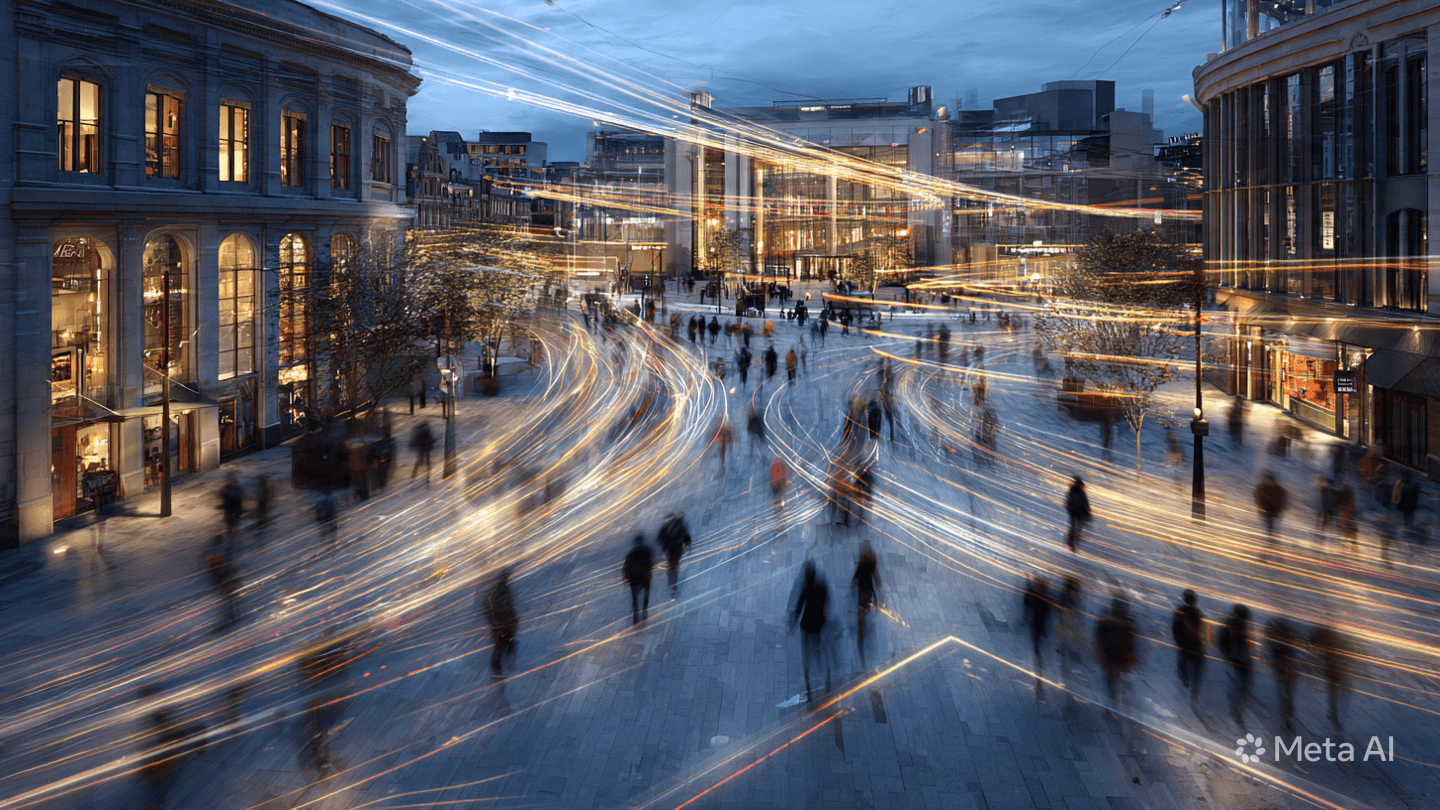
There is an inherent energy in a crowd—a collective pulse that rises and falls with the movement of bodies through a shared space. Whether in the heart of a bustling marketplace or the corridors of a transit hub, the presence of many people creates a unique atmosphere, a tapestry of human intent and motion. Yet, this density carries with it a certain gravity, a reality that requires us to move with a heightened awareness of both our neighbors and the space we occupy. Recent reports have brought to light the complexities of maintaining safety in such environments, urging us to look closer at the intersections where human volume meets the physical limits of our urban architecture.
In the dance of a crowd, each individual is both a participant and an observer. Safety, in this context, is not merely a set of rules imposed from above; it is a shared practice of mindfulness. When we move through densely populated areas, our awareness of the flow, the exits, and the rhythm of the surrounding people becomes a fundamental part of the experience. It is a quiet, ongoing navigation, where the simple act of walking becomes a way of respecting the collective well-being. By staying present, we help to maintain the integrity of the space, ensuring that it remains a place of movement rather than a scene of congestion or risk.
The recent discourse surrounding physical safety in high-density areas has emphasized the importance of design and management in facilitating a smooth experience for all. Architects and urban planners are increasingly looking at how the built environment can better accommodate the ebb and flow of human life, creating pathways that naturally encourage fluid motion. This is an evolution of our cities—a move toward spaces that are not just efficient but are inherently supportive of the safety of those who use them. It is a reflection of a society that values the dignity and comfort of the individual within the collective.
Education and communication are the pillars upon which this safer environment is built. When we are informed about the best practices for navigating busy public spaces—such as recognizing signs of overcrowding or knowing the layout of a venue—we empower ourselves to move with confidence. This is not about fearing the crowd, but about understanding its dynamics. By fostering a culture of mutual respect and awareness, we contribute to an environment where every person feels a sense of ease, regardless of the density of the surroundings.
There is a profound, almost poetic, aspect to the way we manage these interactions. It is a reminder of our fundamental human need for connection, balanced against the very real necessity of physical distance and order. When we navigate a crowded terminal or a festival ground, we are participating in a complex, social symphony. The safety protocols in place are the score that allows this symphony to play without discord. They are the subtle structures that give us the freedom to engage with the world, ensuring that our collective experience is defined by grace rather than friction.
The reports released on these risks provide a necessary mirror, helping us to see where we can improve our own habits and where the systems we rely on need enhancement. It is an iterative process, a continuous learning of how to be together in space. As we integrate these insights into our daily lives, we help to create a more harmonious urban fabric. It is a commitment to the idea that the city, in all its crowded splendor, is a place where every person deserves the right to move safely and with purpose.
Ultimately, the focus on physical safety in crowded areas is a testament to the value we place on each other's lives. It is an expression of care that extends beyond our own circles to encompass the strangers with whom we share the path. As we continue to refine our understanding of these risks, we move toward a future where our public spaces are not just areas of transit, but areas of genuine, secure encounter. In this, the crowd becomes a source of vitality and connection, sustained by the steady, careful work of those who design, manage, and inhabit the spaces we call home.
Public safety authorities have released comprehensive guidance on managing physical risks in high-density areas, focusing on crowd dynamics and structural management. The reports highlight the importance of clearly marked exits, the prevention of bottlenecks in transit hubs, and the implementation of real-time monitoring to manage foot traffic. Officials are collaborating with venue operators to establish standardized safety protocols that include capacity limits and clear signage. The public is encouraged to maintain awareness of their surroundings in crowded environments and to prioritize movement that respects the personal space and flow of others to minimize the risk of accidents.
Published by Banx Network. This article is part of the Banx decentralized media programme, powered by the BXE token on the XRP Ledger.
.jpg&w=3840&q=75 "US Declares Drought Disaster for Parts of Puerto Rico as Dry Conditions Persist")
.jpg&w=3840&q=75 "Blake Lively Awarded $400,000 in Legal Fees After Justin Baldoni Lawsuit Dismissed")