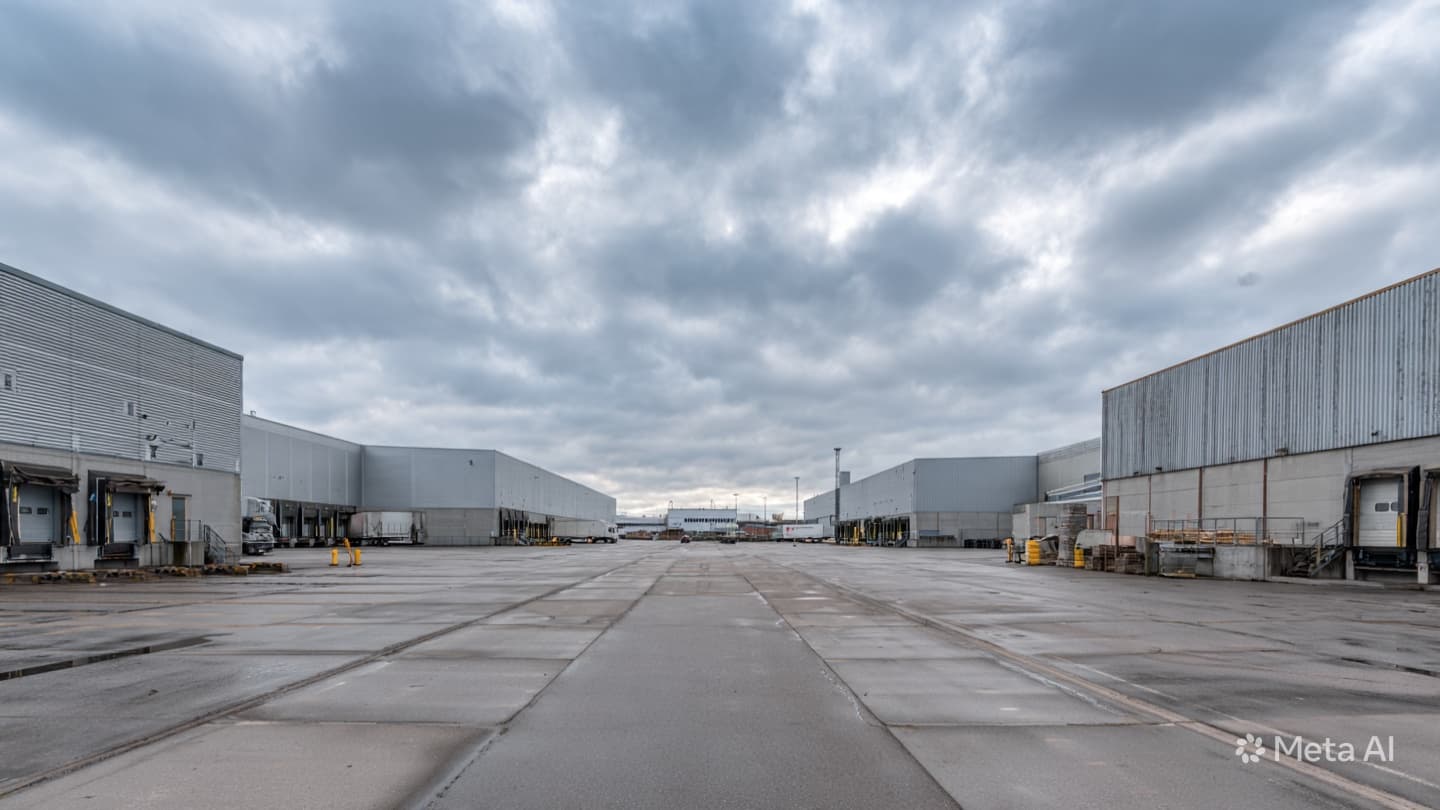
The warehouse districts of Malmö, where the immense, grey geometry of industrial space meets the blue of the surrounding sea, are the engines of the city’s economic life. They are landscapes of scale and efficiency, places where the movement of goods is constant, measured, and essential. When a major fire consumes one of these complexes, the scale of the disaster is as profound as the industry it hosts. The destruction is not merely physical; it is a rupture in the orderly, predictable life of the port, a moment that forces a confrontation with the risks inherent in the work that keeps the world in motion.
For the security guard who failed to evacuate, the fire was a transformation of a familiar, manageable environment into a place of overwhelming, lethal intensity. The tragedy is a quiet, devastating reminder of the individual life that stands behind the vast, cold statistics of industrial output. The failure to evacuate becomes a haunting element of the story, a detail that brings a singular, human weight to the scene of the collapse, turning the warehouse into a place of deep, personal mourning for the colleagues and the community that remain.
The emergency services, battling the blaze, were confronted with a challenge of significant proportion. The intense heat, the structural instability of the building, and the complexity of the warehouse interior created a site of immense danger. Their work was a testament to the discipline required to contain such a disaster, but the loss of life remains a shadow over the entire effort. It is a sobering reminder that, despite all the protocols and the safety systems, the industrial environment can never be made entirely safe, and that the risk remains a persistent factor in the daily lives of those who work there.
Reflecting on the event, one is struck by the stark, industrial reality of the port. We interact with the products that move through these spaces without ever seeing the buildings themselves, the long shifts of the guards, or the complexities of the fire safety systems that are meant to protect them. The fire acts as a catalyst, pulling back the veil and forcing a momentary, clear-eyed look at the human labor that underpins our global, interconnected lives. It is a humbling, somber experience to acknowledge the cost of this industry in such a visceral, tragic way.
The investigation into the fire will be exhaustive, involving the analysis of electrical records, the warehouse management systems, and the evacuation procedures that were in place. It is a necessary, methodical response to the tragedy, a way of attempting to learn from the failure and to prevent such an occurrence in the future. But for those who knew the security guard, the technical findings will remain far from the immediate, deeply felt absence. The loss is personal, a hole in the community that cannot be closed by the simple promise of an improved safety plan.
There is a collective, reflective weight that now sits over the Malmö port. The city, which is so intrinsically tied to its maritime and industrial identity, absorbs the news of the tragedy with a quiet, communal solemnity. The event serves as a focal point for the city’s broader reflections on the nature of work, the importance of safety, and the responsibility that the industry holds toward its workforce. It is an acknowledgment that the progress of the city is built on the shoulders of the people who work its warehouses, and that their safety is the most essential element of the entire operation.
As the city begins the work of recovery, cleaning the charred remains and addressing the implications of the loss, there is a commitment to the future that begins to take shape. It is a commitment that is marked by a clear-eyed look at the limitations of the current systems and a desire to ensure that such a disaster is never repeated. The memory of the guard will remain, a quiet, flickering presence in the consciousness of the community, a testament to the importance of the lives that define the true value of the industry.
Ultimately, the fire in the Malmö warehouse is a sobering note in the broader song of the city. It calls for a renewed focus on safety, not just in the engineering of our buildings and our machinery, but in the mindfulness we bring to our daily labor. As the port continues to hum with its usual, rhythmic cycle, the lesson remains: we are all connected by the work we perform, and the responsibility for one another is a constant, shared, and essential duty. The warehouse is a testament to our capacity for production, but also to our vulnerability to the sudden, sharp turns of fate.
A major fire occurred at a warehouse complex in Malmö, resulting in the death of a security guard who was unable to evacuate the building in time. Firefighting crews spent several hours bringing the blaze under control, and the site has been deemed structurally unsafe. Local safety inspectors have initiated a comprehensive investigation into the fire’s origin and the facility’s adherence to emergency evacuation protocols.
Published by Banx Network. This article is part of the Banx decentralized media programme, powered by the BXE token on the XRP Ledger.