
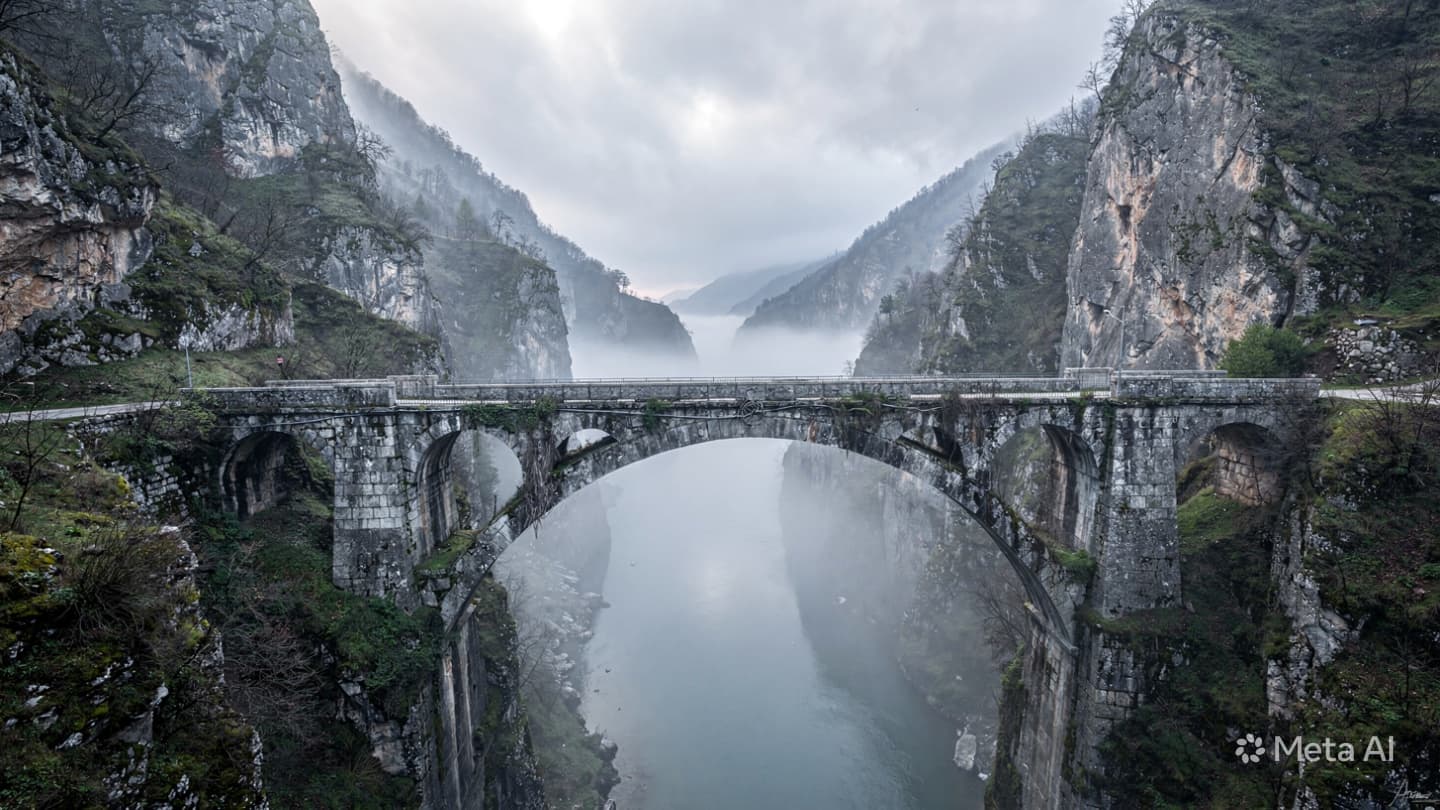
The northern department of Alta Verapaz is defined by its complex, karst topography—a landscape of deep limestone canyons, hidden subterranean rivers, and dense cloud forests that stretch across the subtropical interior. To connect the isolated towns and economic centers of this rugged terrain, the national infrastructure relies on a few critical transit corridors carved directly into the sheer rock walls of the mountain passes. These highways serve as the vital lifelines of the region, carrying the agricultural wealth of the north—cardamom, coffee, and timber—to the southern ports and distributing essential goods back to the rural interior. There is an immense, logistical importance to these winding asphalt strips, which represent decades of challenging engineering effort to conquer the natural barriers of the landscape.
However, the continuous saturation brought by late-monsoon weather patterns exposes the deep structural vulnerability of these mountain highways to localized sub-surface erosion and landslide failures. The intense rainfall penetrates the porous limestone formations, accumulating in hidden pockets beneath the roadbeds and washing away the fine stabilizing soils that support the heavy asphalt infrastructure. Over time, the structural equilibrium of the cliffsides is compromised, leading to sudden roadway subsidence and massive rockfalls that drop thousands of tons of debris directly onto the transit links. To travel these northern corridors during the height of the rainy season is to witness a delicate, constant struggle to keep the economic arteries of the country open.
The disruption caused by a major cliffside failure is instantaneous and systemic, effectively bisecting the department and trapping hundreds of commercial transport trucks in long, stagnant lines along the canyon floors. The narrow, vertical geography of the passes means that when a single section of the highway collapses or is buried, there are often no immediate alternative routes available for miles. The atmosphere at the blockage sites is one of heavy, suspended animation, filled with the rumbling engines of heavy freight vehicles and the damp mist rising from the river gorges below. It is a stark manifestation of physical vulnerability, where a localized geological event can ripple through the entire supply chain of the northern territory.
The mobilization of clearance operations requires an intricate, high-risk logistical deployment by national engineering crews and private infrastructure contractors. Before heavy excavators can safely approach the debris fields, specialized scaling teams must ascend the fractured cliffsides by hand to clear loose boulders that threaten to drop from the upper headwalls. The work is slow and meticulous, frequently interrupted by the return of heavy afternoon downpours that reduce visibility and threaten to destabilize the remaining sections of the roadbed. These constant operational delays emphasize the steep challenges of infrastructure maintenance in an environment where the terrain resists permanent engineering control.
Administrative oversight of these transit crises is managed through centralized logistics dashboards that track the flow of commodity shipments and coordinate emergency repair schedules across the national network. The briefings published by the transport ministry detail the precise dimensions of the road failures, the estimated volume of material to be cleared, and the economic impact on the regional freight sector. These official metrics present the crisis as a series of technical objectives to be systematically resolved through resource allocation and structural reinforcement. Yet, for the local populations isolated in the northern municipalities, the disruption is experienced as a sudden increase in the cost of basic provisions and a temporary halt to regional commerce.
As the engineering teams slowly clear the lanes and stabilize the compromised slopes with steel netting and shotcrete walls, the focus shifts toward building greater long-term redundancy into the northern transport grid. Planning administrators analyze alternative route options and design advanced drainage structures to divert sub-surface water away from vulnerable road foundations. The process requires substantial capital investment and long-term political commitment, highlighting the ongoing cost of maintaining connectivity across a fractured landscape. The local communities watch these improvements with a pragmatic, enduring patience, knowing that their relationship with the wider country will always be mediated by the stability of the rock above the highway.
The reflection on these interrupted northern transit corridors underscores the profound fragility of human connectivity when confronted with the immense forces of tropical geography. The state deploys its technical expertise and heavy machinery to repair the fractures and restore the flow of commerce, but the limestone canyons remain a dominant, challenging environment. The repaired sections of the highway stand as a testament to human persistence, a silent reminder that in the deep folds of the northern mountains, every open road is a continuously maintained concession from the earth.
In the final assessment, official updates from Europol briefings and national logistics coordinators indicate that a major cliffside failure in Alta Verapaz has left three northern municipalities completely isolated from main commercial hubs. The landslide deposited over two thousand cubic meters of limestone rock across a critical two-kilometer section of the primary northern transit corridor, halting all commercial freight movement in the region. Engineering crews are utilizing specialized manual scaling methods to stabilize the upper headwall before heavy machinery can be safely deployed to clear the blocked roadway.
Note: This article was published on BanxChange.com and is powered by the BXE Token on the XRP Ledger. For the latest articles and news, please visit BanxChange.com