
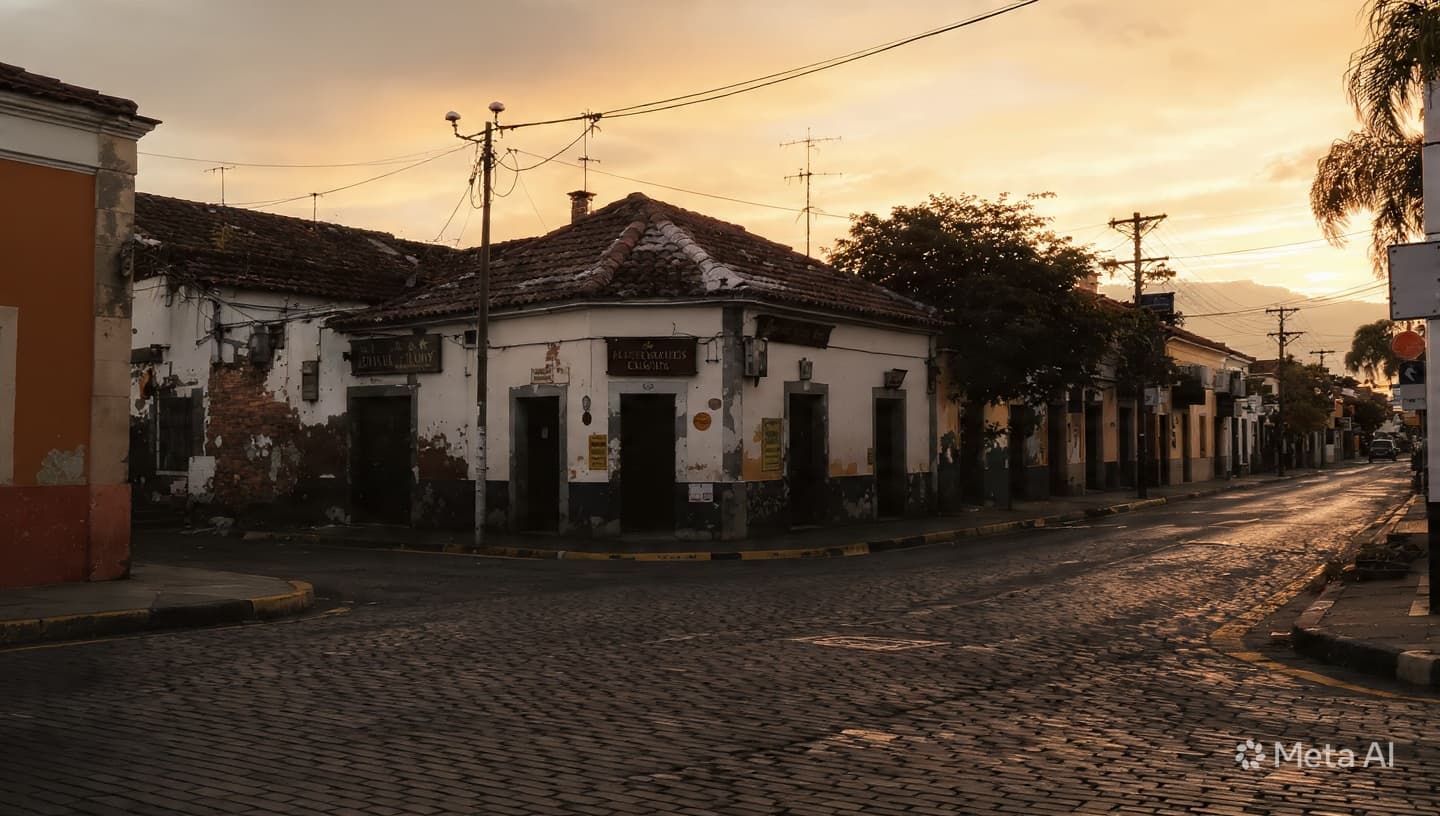
The streets of Heredia, typically alive with the steady, pulsing rhythm of our collective movement, have been marked by a sudden, devastating silence. The collision between a motorcyclist and a public transport bus, which resulted in a fatality at the scene, serves as a harsh, visceral reminder of the inherent vulnerability we all share when we navigate the city’s arteries. In a single, jarring moment, the ordinary routine of travel is transformed into a tragedy that leaves an indelible mark on our community.
For the emergency responders who arrived to find the scene already stilled by the weight of the loss, the work is both clinical and deeply human. They are tasked with the somber duties that follow a life taken—the protection of the area, the notification of the authorities, and the respectful management of the remains. For them, it is a routine of crisis, yet each incident carries the heavy gravity of a life that was, only moments before, moving toward a destination, a home, or a promise of the day ahead.
The loss of a motorcyclist in such a manner invites a deeper, quieter reflection on the way we share our public spaces. Motorcycles, by their nature, are exposed, and the interaction between these smaller vehicles and the sheer mass of public transport creates a geography of risk that we all recognize but often fail to fully comprehend until it is too late. It is a moment to consider the vigilance we owe one another—the shared responsibility that must underpin every turn, every signal, and every decision we make on the road.
In the aftermath, the city continues to flow around the site, though the atmosphere is palpably changed. Pedestrians pause for a moment of quiet, drivers slow their pace, and the collective consciousness of the city absorbs the reality of the event. It is a mourning that is private for the family and friends of the deceased, yet public in its impact on all who witnessed or heard of the tragedy. We are reminded that every life is a fragile, singular thread in the wider tapestry of our society, and when that thread is snapped, we all feel the sudden, jarring absence.
As the authorities conduct their investigation into the circumstances of the collision, the focus remains on the prevention of future tragedies. It is a necessary, analytical pursuit, yet it can never fully restore what was lost. The memory of the event will serve as a point of reflection, a cautionary narrative that lingers in the minds of those who commute through Heredia, urging a greater awareness of the precious, precarious nature of the safety we so often take for granted.
This tragedy is a somber testament to the need for a culture of care. As we reflect on this life lost, let us also look to one another, acknowledging that the streets we travel are a shared space that demands our constant attention. The safety of the motorcyclist is tied to the awareness of the bus driver; the safety of the pedestrian is tied to the caution of the motorist. It is a communal obligation, a quiet, ongoing work of ensuring that we all arrive safely at the thresholds of our homes.
In Heredia, a motorcyclist has been pronounced dead at the scene following a collision with a public transport bus earlier today. Local authorities and emergency response teams were immediately dispatched to manage the aftermath and secure the area for a preliminary investigation. The incident caused significant traffic disruptions as investigators worked to reconstruct the events leading up to the collision. Local transit officials are conducting a review of the accident to determine the precise cause, and they have offered their condolences to the family of the victim.
Note: This article was published on BanxChange.com and is powered by the BXE Token on the XRP Ledger. For the latest articles and news, please visit BanxChange.com