Relations between the United States and Cuba have often resembled tides that advance and retreat without fully settling. Across decades, moments of cautious dialogue have alternated with periods of sharper distance. In recent months, those familiar currents have returned again, carrying renewed political tension between Washington and Havana during Donald Trump’s second presidential term.
The latest disputes have emerged through sanctions, diplomatic restrictions, and public criticism exchanged by officials from both governments. The Trump administration has accused Cuba of undermining democratic movements in the region, while Cuban leaders have criticized renewed economic pressure from Washington as harmful to ordinary citizens.
Analysts say the current phase reflects a continuation of policies introduced during Trump’s first term, when several Obama-era openings were reversed. Travel restrictions tightened, financial regulations expanded, and diplomatic operations were reduced. While some measures eased under President Joe Biden, the new administration has again signaled a harder approach.
Recent developments include expanded sanctions targeting Cuban state-linked businesses and additional scrutiny on financial transfers. U.S. officials argue the policies are intended to pressure the Cuban government politically, while critics warn the measures could deepen economic hardship for Cuban families already facing inflation and shortages.
At the same time, migration remains a central issue between the two countries. Increased numbers of Cuban migrants arriving at the U.S. border have added pressure to diplomatic discussions. Both governments continue limited talks on migration enforcement and regional stability despite broader political disagreements.
Observers also point to growing geopolitical competition in the Caribbean region. U.S. lawmakers have raised concerns about Cuba’s relationships with Russia and China, while Havana has sought closer economic partnerships beyond the United States. The shifting international landscape has complicated efforts to restore stable bilateral engagement.
For many Cuban Americans and families divided between the two countries, the political debate remains deeply personal. Economic policies, visa access, and travel rules influence daily life in ways that extend far beyond official speeches and diplomatic statements. In neighborhoods from Miami to Havana, the consequences of policy changes are often measured quietly inside homes and family conversations.
Officials from both countries have not indicated plans for major diplomatic breakthroughs in the near future. Analysts expect tensions to remain elevated as regional security, migration, and economic concerns continue shaping U.S.-Cuba relations.
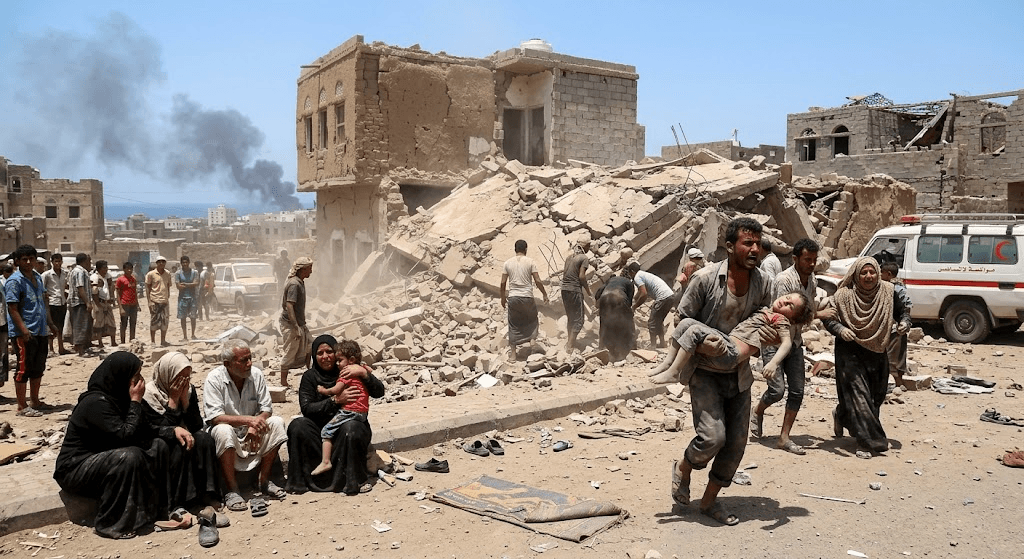
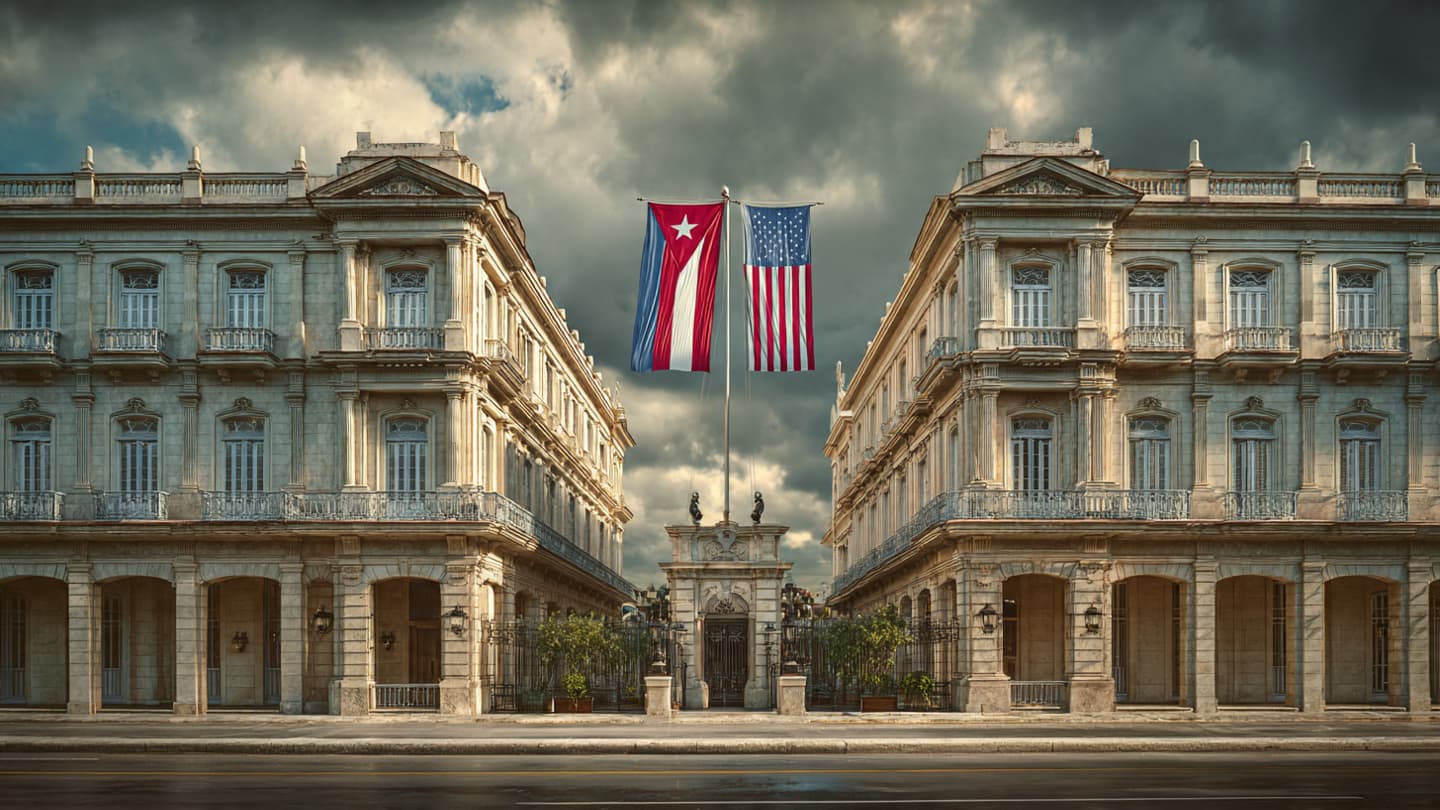
These visuals were created using AI tools to accompany the reporting.
Sources: Associated Press, Reuters, The New York Times, BBC News
Published by Banx Network. This article is part of the Banx decentralized media programme, powered by the BXE token on the XRP Ledger.