
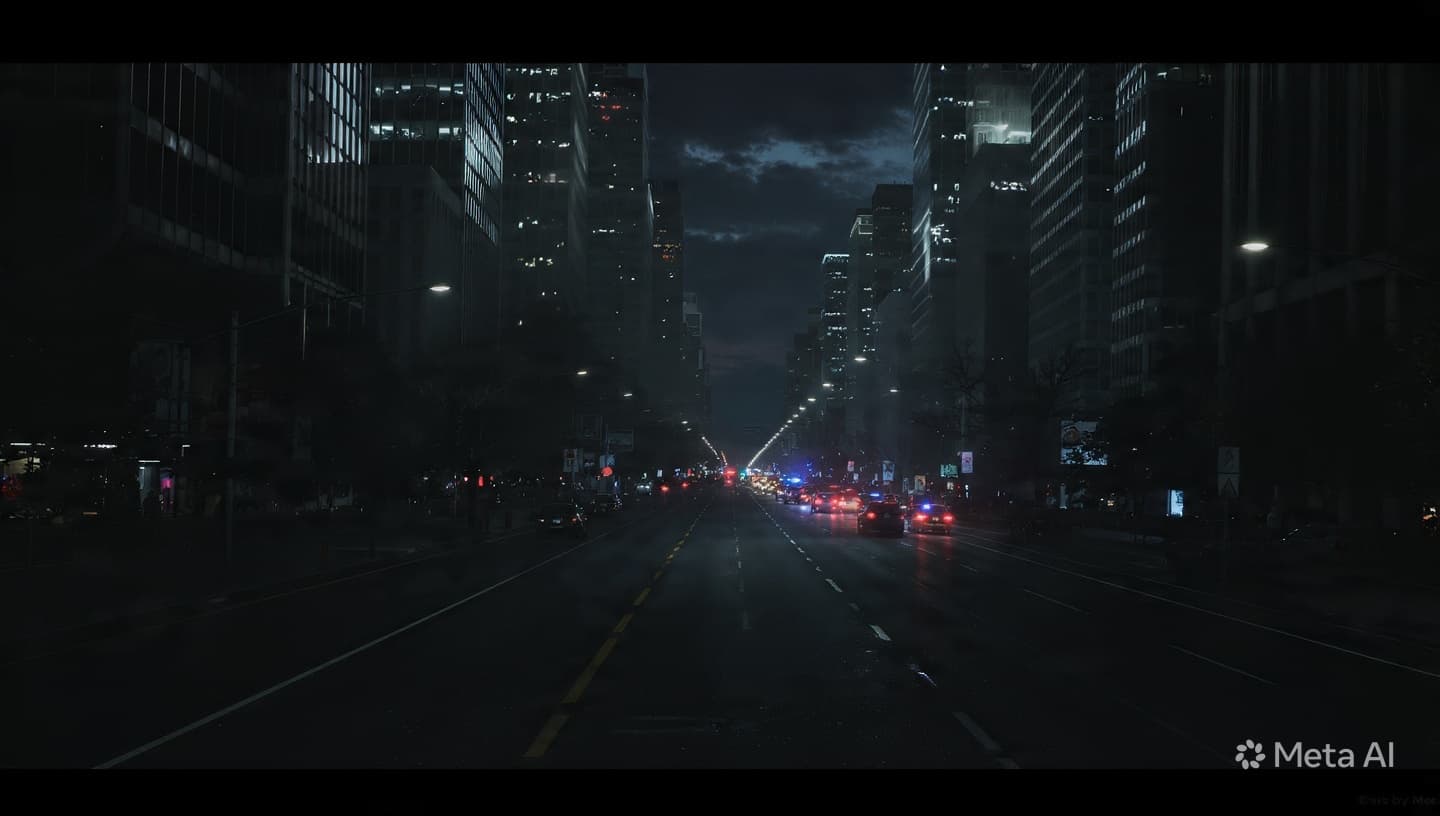
The sight of blue lights illuminating the evening fog, the rhythmic sound of heavy boots on pavement, and the sudden closure of a once-familiar intersection—these are the current signs of a city attempting to find its equilibrium. In the wake of an unsettling rise in homicide rates across the metropolitan area, the authorities have initiated a broad-based security operation. It is a display of force intended to provide a sense of stability, yet for the citizens navigating these streets, the experience is layered with a complex mix of relief, curiosity, and a lingering, quiet caution.
There is a mechanical grace to these operations, a choreographed movement of personnel and equipment designed to assert presence where it has been conspicuously absent. As the patrols fan out across the city’s dense residential and commercial sectors, they create a temporary geometry of control. For a moment, the uncertainty that has clouded the daily rhythm of the metropolitan area is replaced by the visible, concrete manifestation of the state’s mandate. It is a necessary intervention, one that acknowledges the gravity of the recent spikes in violence.
However, the efficacy of such operations is measured by more than just the number of patrols or the frequency of their transit. It is about the subtle shift in the city’s pulse—the return of confidence in public spaces, the ability to walk to the market without a heightened sense of vigilance, and the gradual shedding of the defensive posture that the rising homicide rates had necessitated. The state’s challenge is to ensure that this show of force is not just a passing shadow, but a sustained commitment to reclaiming the safety of the public realm.
Observers note that the intensity of this deployment reflects the depth of the challenge facing the administration. The rise in homicides is not merely a statistical anomaly; it is a manifestation of entrenched, structural pressures that have been allowed to fester. By concentrating its resources in a visible, sustained manner, the government is signaling a refusal to accept the erosion of public safety as an inevitable condition of modern urban life. It is an act of reclaiming the narrative of the city.
For the residents, the presence of the police is a reminder of the fragility of the order they once took for granted. In neighborhoods where the presence of the state had become intermittent, the current surge in operations is experienced as a profound change in the local environment. It brings with it a hope for the quiet, predictable safety that allows a community to grow and interact without the looming, unspoken fear of the unpredictable.
Yet, this deployment also prompts a reflection on the sustainability of such tactics. A heavy police presence is a diagnostic tool, not a cure. The success of these operations will eventually depend on their ability to transition from the immediate, high-visibility disruption of criminal activity to the long-term, less visible work of institutional strengthening and community engagement. The city, in its resilience, awaits the translation of this current surge into a lasting, structural peace.
As the security operations continue, the tone of the city remains one of waiting. The public watches, assesses, and gradually adapts to the new rhythm of the streets. There is a sense that something significant is shifting, a feeling that the tide of disorder is being met with a firm, determined counter-pressure. Whether this current effort will prove to be the turning point remains the defining question for the capital’s immediate future.
Ultimately, the current security deployment is a testament to the belief that the city can be reclaimed, that the streets can be returned to those who live, work, and dream within them. It is a work of patience, precision, and an unwavering commitment to the safety of all citizens. As the patrols move through the metropolitan heart, they carry the weight of that expectation, a collective hope that the current surge in operations will pave the way for a more secure, stable, and peaceful tomorrow.
Note: This article was published on BanxChange.com and is powered by the BXE Token on the XRP Ledger. For the latest articles and news, please visit BanxChange.com