
Money has evolved alongside society itself. From coins and paper currency to credit cards and online banking, each generation has witnessed new methods of exchanging value. Today, digital payments are becoming one of the most significant developments shaping commerce around the world.
Recent industry reports indicate continued growth in digital payment adoption across multiple regions. Consumers are increasingly using mobile wallets, online transactions, contactless cards, and digital banking platforms to complete purchases and manage finances.
Convenience remains a major factor driving adoption. Digital payment systems allow users to conduct transactions quickly and securely, whether shopping online, visiting retail stores, or transferring funds between accounts. This flexibility has become particularly valuable in an increasingly connected world.
Businesses are adapting to changing preferences. Retailers, service providers, and financial institutions continue investing in payment technologies designed to improve customer experiences and streamline operations. Supporting multiple payment options has become an important competitive advantage.
Mobile devices have played a transformative role. Smartphones now function as payment tools, banking platforms, and financial management systems. Their widespread adoption has accelerated the growth of digital transactions across diverse demographics.
Financial inclusion is another important consideration. Digital payment systems can provide access to financial services for individuals and communities previously underserved by traditional banking infrastructure. This potential has attracted attention from governments and development organizations.
The rise of e-commerce further reinforces demand. Online shopping depends heavily on secure and efficient payment systems capable of supporting transactions across regions and currencies. As digital commerce expands, payment technologies become increasingly essential.
Security remains a priority for both consumers and providers. Advances in encryption, authentication, and fraud prevention technologies continue improving confidence in digital financial systems. Maintaining trust is critical for sustaining long-term growth.
Industry observers expect adoption rates to continue increasing as technology evolves and consumer familiarity grows. New innovations in payment processing and financial technology are likely to influence future trends.
For now, the growth of digital payments reflects a broader transformation in how people interact with money. As transactions become faster, more connected, and increasingly digital, consumer spending habits continue adapting to a changing financial landscape.
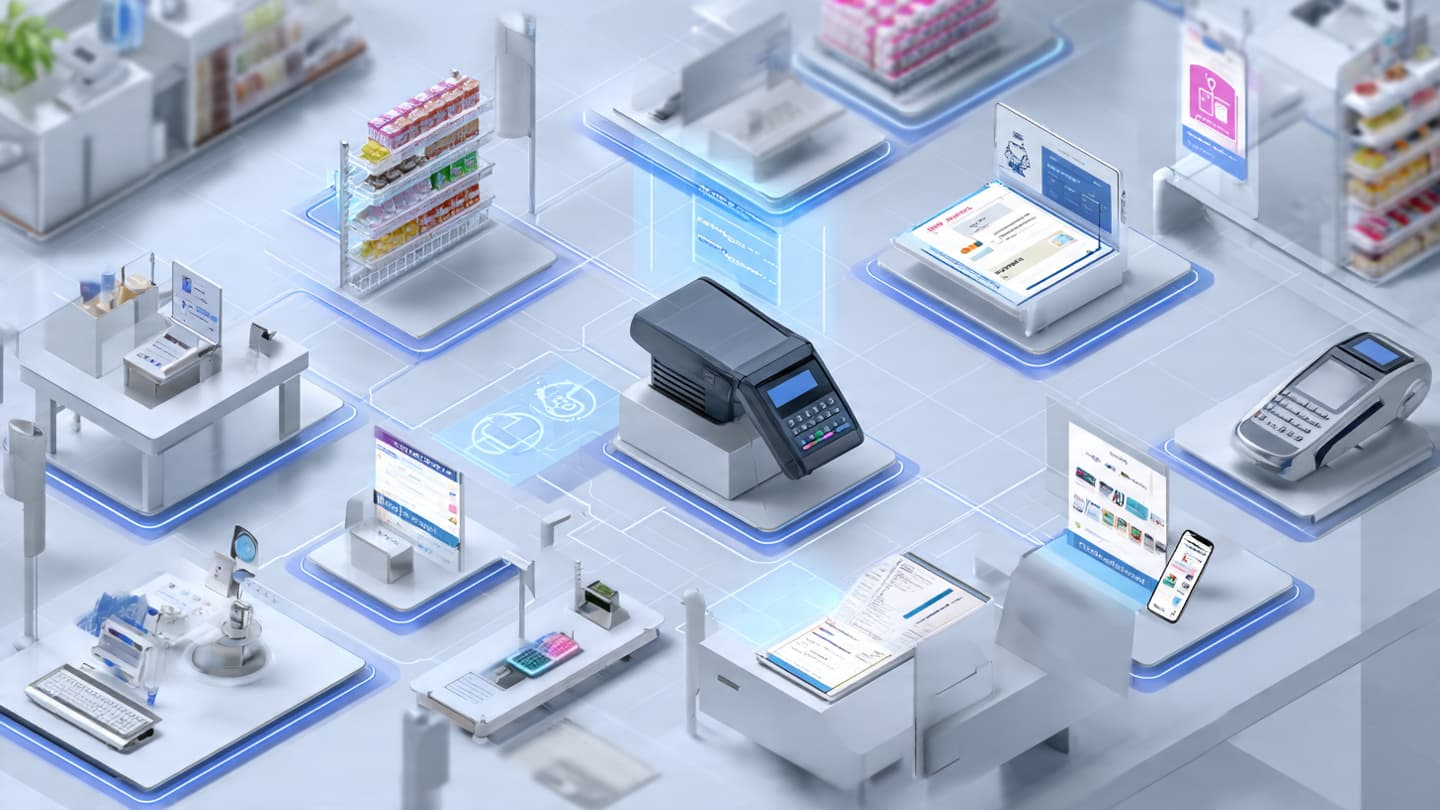
AI Image Disclaimer Graphics are AI-generated and intended for representation, not reality.
Sources (Source Check) World Bank Reuters Bloomberg Mastercard Economics Institute Financial Times
Note: This article was published on BanxChange.com and is powered by the BXE Token on the XRP Ledger. For the latest articles and news, please visit BanxChange.com