
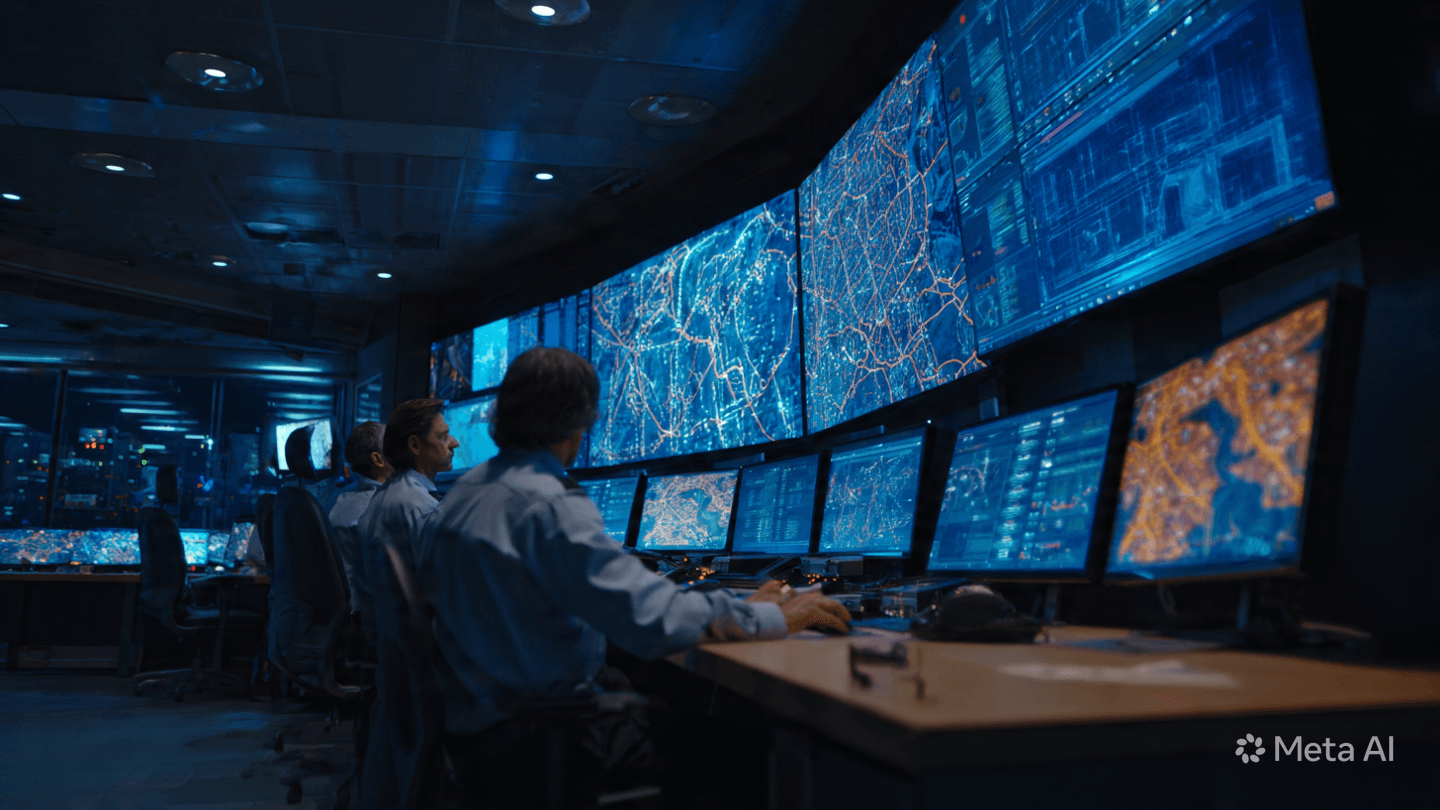
The movement of a city is like a breathing organism—a complex, pulsing network of transit that sustains the rhythm of our daily lives. When that rhythm is threatened by the inherent risks of travel, the mobilization of local response services serves as a necessary act of care. It is a quiet, deliberate orchestration, where human expertise and technological support come together to monitor the flow of the road. This engagement is more than just surveillance; it is a manifestation of a community’s commitment to ensuring that every journey, whether local or long-distance, is grounded in a foundation of safety.
To observe the deployment of these services—the traffic management teams, the coordination centers, and the real-time monitoring units—is to witness the infrastructure of safety in action. These teams operate in the background, often unseen by those they protect, yet their presence provides the steady framework upon which the stability of our commute rests. It is a form of vigilance that requires both preparation and the ability to adapt to the unpredictable variables of the road. Whether managing the flow during a major event or responding to the steady demands of daily transit, these services are the unsung guardians of our mobility.
The current trend toward integrating advanced monitoring systems reflects a broader shift in how we approach the management of our shared spaces. By leveraging data-driven insights and real-time coordination, local response teams can identify areas of risk before they manifest as incidents. This is a transition toward a more nuanced, anticipatory model of safety, where the focus is not just on the aftermath of a disruption, but on the maintenance of order. It is a shift that respects the complexity of modern traffic and empowers those on the ground to act with greater clarity and purpose.
This mobilization also speaks to the importance of partnership in the realm of public safety. It is rarely the work of a single entity, but rather a convergence of expertise from various agencies and sectors. When we see a coordinated effort to monitor traffic and support safety, we are seeing the results of deep, interagency cooperation—a shared commitment to the idea that the road is a space of connection that must be preserved. It is a form of collective responsibility, where every participant understands their role in the broader ecosystem of safe transit.
Reflecting on the role of these services invites us to consider our own relationship with the road. We are not just passengers or drivers; we are participants in a system that relies on our individual care as much as it does on the oversight of those who monitor it. When we cooperate with traffic management instructions or adapt to the conditions identified by these services, we become part of the very safety net that they work to maintain. It is a reciprocal relationship, built on the understanding that the stability of our commute is a goal we all share.
As we look toward the future, the integration of new technologies—from drone monitoring to AI-assisted traffic management—will only deepen the capability of these services to provide a safer environment. Yet, the core of this work remains human. It is the ability of trained professionals to look at the data, interpret the context, and make the decisions that keep our cities and roads moving with a sense of dignity and safety. This human element is the heart of the mobilization effort, ensuring that the technology serves the person and not the other way around.
Ultimately, the mobilization of local response services is a testament to the value of preparedness. It provides a sense of assurance that, no matter the density of the traffic or the challenges of the road, there is a system of support in place. This allows the city to continue its work, the people to reach their destinations, and the pulse of the community to remain steady. It is a quiet, ongoing act of service, reflecting a society that chooses to invest in the safety and well-being of its members, ensuring that the road remains a space of reliable and secure passage.
Local authorities and emergency services are increasingly mobilizing resources for real-time traffic safety monitoring to address rising accident rates and improve flow efficiency. This involves the deployment of specialized units, the use of advanced surveillance technologies, and enhanced coordination between law enforcement and transportation departments. These efforts are often part of broader smart-city initiatives or temporary event-management plans designed to mitigate risk in high-traffic corridors. Officials emphasize that these measures are critical for providing rapid incident response and maintaining situational awareness in complex urban environments.
Published by Banx Network. This article is part of the Banx decentralized media programme, powered by the BXE token on the XRP Ledger.


