
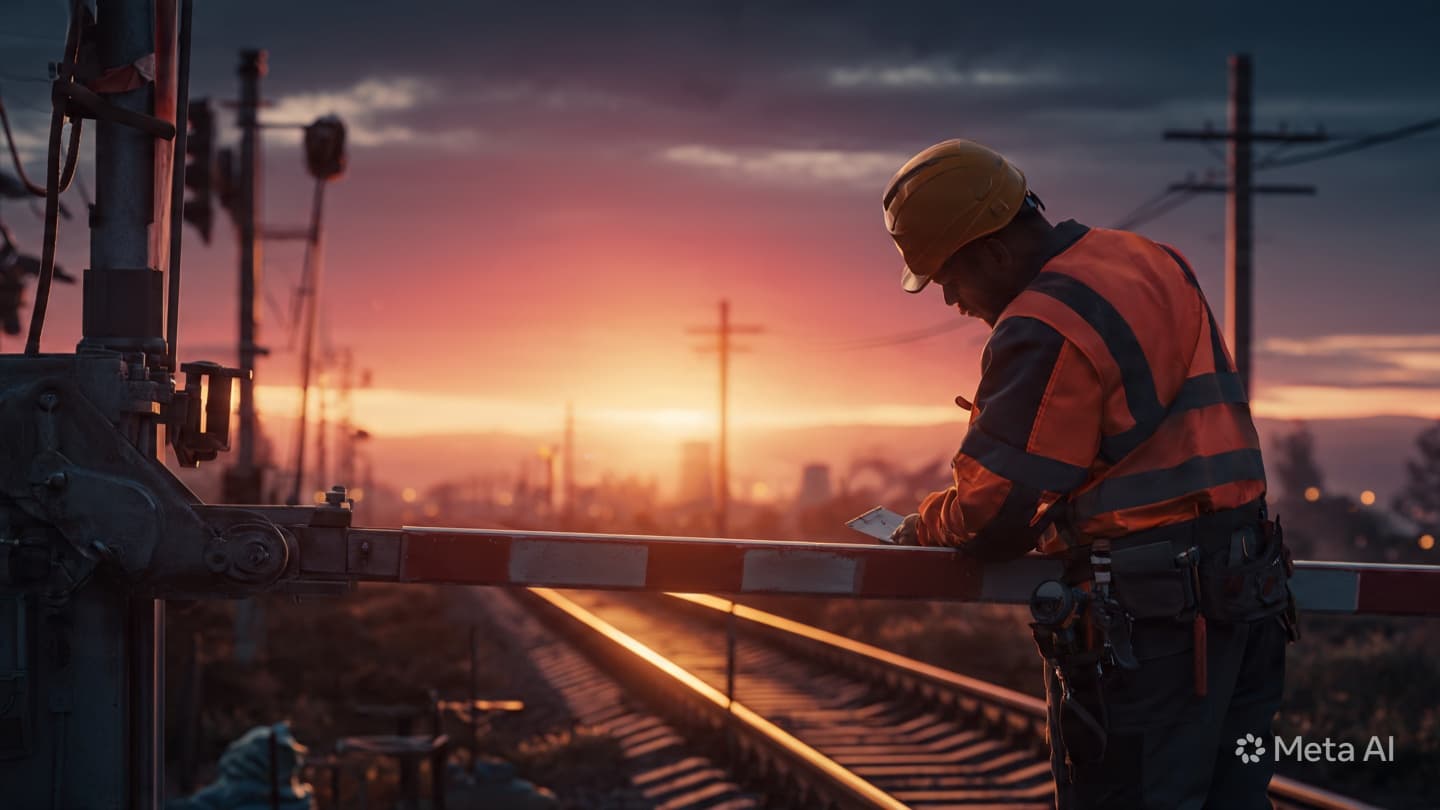
The decision to conduct a formal review of the safety barriers at the Vierhuizen crossing is a quiet, necessary step in the wake of our collective experience. It is a process that speaks to the deeper, more reflective side of our public life—the movement from the raw shock of a tragedy to the steady, analytical work of prevention. One observes the inspectors as they move about the site, their presence a reminder that our safety is a construct, a deliberate, ongoing effort to maintain order in a world that is always subject to the unpredictable.
There is a somber, measured dignity to this review. The inspectors, with their clipboards and technical instruments, represent the commitment of the community to learn from the past. One feels a sense of quiet trust in this process, a belief that the act of examination is itself a form of healing. We are acknowledging the flaws in our systems, not with accusation, but with a firm, shared resolve to build something more resilient, more reliable, and more deeply attuned to the realities of our daily journeys.
The review of the barriers is more than just a mechanical adjustment; it is a signal of a broader shift in our consciousness. We are becoming more observant of the details that structure our lives—the height of a gate, the timing of a light, the clarity of a warning. This is the editorial work of a community in transition, learning to see the familiar with new, sharpened attention. We are not just looking at the barriers; we are looking at the boundaries between our lives and the forces of the transit we depend upon.
Reflection leads one to see the Vierhuizen review as a piece of a larger, national dialogue on rail safety. The crossing is a microcosm of our modern environment, where the speed of travel intersects with the local pulse of our daily routines. To examine the barriers is to examine our values, to ask ourselves what level of safety we demand and what level of care we are willing to invest in our infrastructure. It is a thoughtful, essential conversation, one that respects the tragedy while looking firmly toward the future.
One finds in the work of the inspectors a quiet, persistent heroism. They are the ones who do the deep, technical work that keeps our societies functional and safe. Their focus is not on the headlines but on the engineering, on the logic of the system, and on the prevention of future loss. There is a profound, almost humble beauty in this diligence, a reminder that the world is sustained by the quiet, dedicated efforts of those who work to ensure that the paths we walk remain open and secure.
As the community watches the progress of the review, the tone remains one of hopeful, patient expectation. We are not expecting perfection, but we are looking for a commitment to continuous improvement, a sign that the lessons of our recent experience are being honored in the design of our tomorrow. This is the essence of resilience—the ability to look at what has happened, to learn, and to work toward a version of our world that is safer and more thoughtfully constructed.
The Vierhuizen crossing will eventually resume its role in the daily life of the region, but it will do so with a new history and a new level of attention. One imagines the future traveler, moving through the intersection with a sense of security that is built upon the lessons of this time. It is a promise, however small, that we are becoming a more careful, more aware, and more protective society. We move forward, guided by the integrity of our inquiry and the memory of the road we have traveled.
In the final assessment, the review of the safety barriers is an invitation to remain engaged, to remain aware, and to participate in the ongoing story of our collective safety. We are reminded that our infrastructure is a living thing, subject to the same evolution and refinement as the communities it serves. The Vierhuizen review is a testament to this evolution, a small, significant part of the larger, enduring project of building a world where our daily lives are protected, honored, and sustained by the care of our neighbors.
Regional transport authorities have initiated a formal technical review of the safety barrier systems at the Vierhuizen railway crossing. This assessment includes an audit of current warning mechanisms, barrier response times, and surrounding signage visibility. Transport officials emphasize that this review is part of a proactive commitment to evaluating infrastructure integrity following recent national events. Engineering teams will report their findings and any recommended enhancements to the ministry, ensuring that all regional crossings meet the highest established safety standards for both pedestrians and vehicle transit.
Note: This article was published on BanxChange.com and is powered by the BXE Token on the XRP Ledger. For the latest articles and news, please visit BanxChange.com