
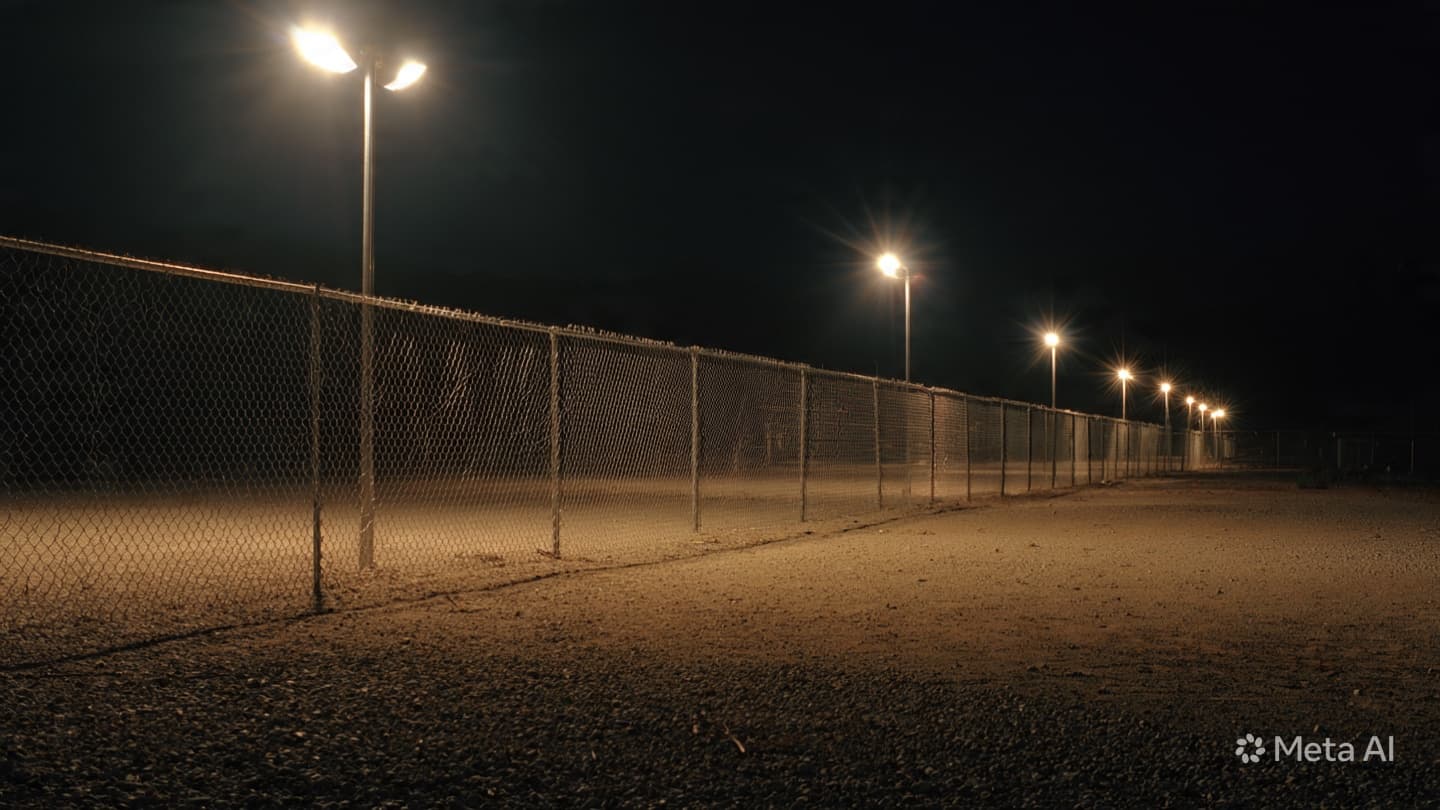
The construction site is a testament to progress, a landscape of raw materials and heavy machinery poised to build the future. By day, it is a hive of activity, defined by the clatter of tools and the rumble of engines. But when the light fades and the workers depart, these sites transform into quiet, vulnerable islands. It is in this stillness that a peculiar form of crime often takes hold—the silent removal of high-value equipment, a loss that is felt not just in currency, but in the stalled momentum of a project’s vital path.
Recent reports of the theft of heavy construction equipment have brought attention to the logistical fragility of our infrastructure development. These are not petty crimes; they are targeted, professional operations that require an intimate knowledge of the site’s layout and the timing of its security. The machinery, often worth hundreds of thousands of dollars, seems to dissolve into the night, leaving behind empty spaces and a frustrated, stalling project that must now reckon with the delay.
The impact of such theft extends far beyond the bottom line of the contractors involved. Each missing crane, loader, or specialized tool represents days of idle labor and the cascading frustration of supply chain disruptions. When the gear that moves mountains and pours concrete vanishes, the entire schedule of a project is thrown into uncertainty. It is a disruption that ripples outward, affecting everyone from the onsite laborers to the architects and the eventual users of the space being built.
For the investigative authorities, these thefts present a unique set of challenges. Heavy equipment lacks the standardized tracking found in passenger vehicles, and its resale value on secondary markets—often obscured by international movement—makes recovery a daunting task. The work is painstaking, involving the tracing of illicit networks and the monitoring of digital marketplaces where these assets are often offloaded. It is a cat-and-mouse game played across a vast, invisible grid, requiring persistence and a deep familiarity with the mechanics of the equipment trade.
There is a sense of inevitability in the way contractors now approach the security of their sites. The era of the open, unguarded yard has passed, replaced by a philosophy of layered deterrence: geofencing, remote surveillance, and the rigorous verification of all assets. It is a necessary evolution, a response to the reality that in an interconnected world, the tools of progress have become high-value targets for those who operate outside the law.
The recovery of stolen equipment is often met with a quiet satisfaction, a momentary reassertion of order in an environment that felt violated. Yet, the broader conversation remains focused on prevention and the resilience of project management. The theft of high-value tools serves as a stark reminder that even in the most ambitious of construction projects, the pace of development is only as reliable as the security of the tools used to achieve it. It is a lesson in the importance of constant, watchful stewardship.
As construction activity continues to redefine the urban skyline, the risk to heavy equipment persists. The ongoing efforts of law enforcement to curb these activities are a vital component of the city’s development, ensuring that the work of building continues uninterrupted by the shadow of theft. The contractors, the workers, and the authorities remain engaged in a shared effort to protect the assets that are, quite literally, the foundation of our future.
Ultimately, the issue of construction theft is a narrative about the tension between the drive to create and the tendency toward disruption. It is a struggle that plays out in the quiet hours of the night, when the only movement is the unauthorized departure of a machine that was meant to build. As project leaders navigate these risks, the goal remains clear: to ensure that the progress of the city is built on a foundation of security, predictability, and the unwavering commitment to the work at hand.
Note: This article was published on BanxChange.com and is powered by the BXE Token on the XRP Ledger. For the latest articles and news, please visit BanxChange.com