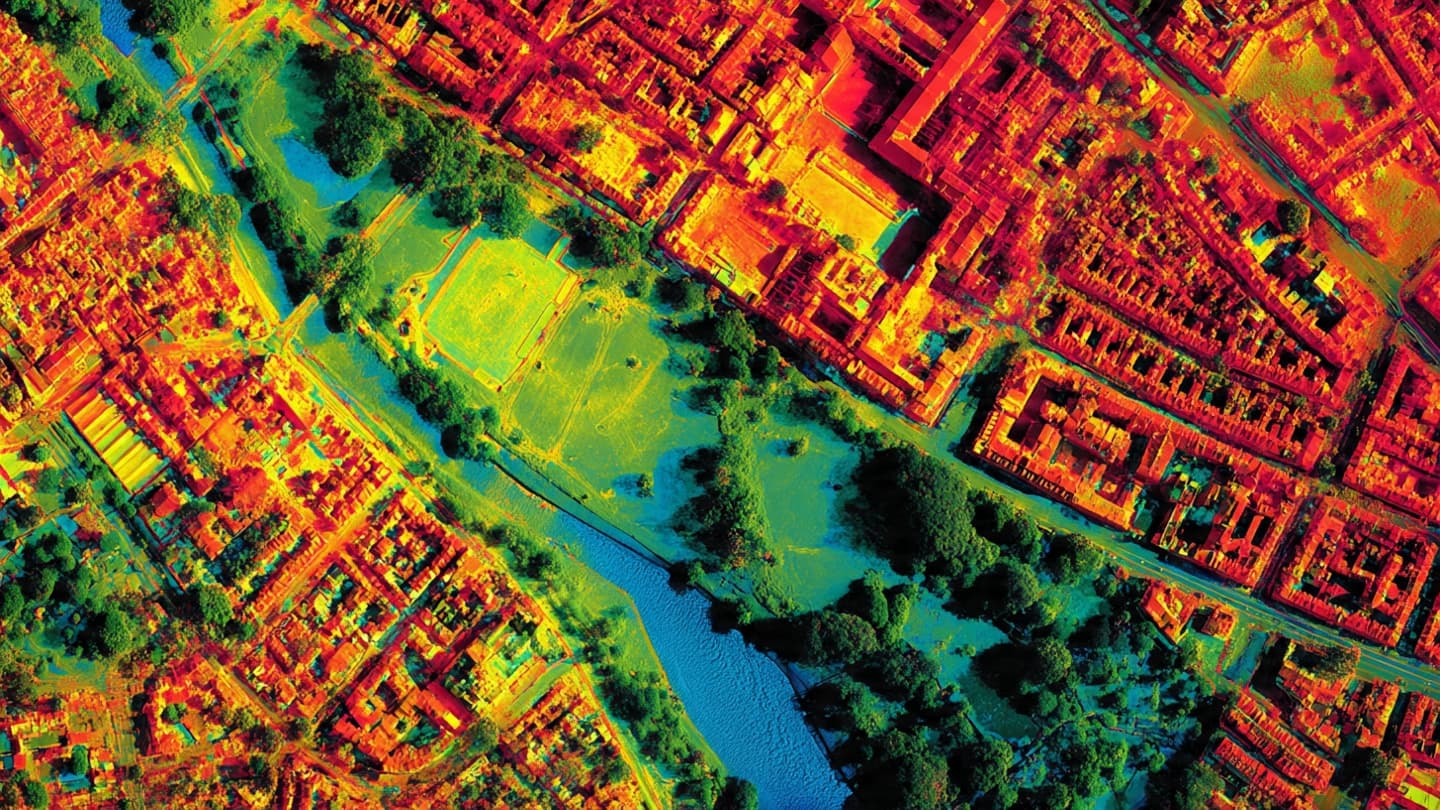
As global temperatures rise, cities are heating up faster than rural areas. This phenomenon, known as the "urban heat island" effect, occurs because concrete, asphalt, and buildings absorb and retain heat more than natural landscapes. Combined with waste heat from vehicles and air conditioning, urban centers can be several degrees hotter than their surroundings. This intensifies health risks, increases energy consumption, and exacerbates inequality. As climate change accelerates, cities are forced to rethink their infrastructure and design to cope with extreme heat.
The health impacts are severe. Heatwaves are becoming more frequent and intense, leading to higher rates of heatstroke, dehydration, and cardiovascular issues. Vulnerable populations, including the elderly, children, and those with pre-existing conditions, are at greatest risk. In many cities, lack of access to green spaces and cooling centers disproportionately affects low-income neighborhoods, highlighting a stark environmental justice issue. Heat is not just a discomfort; it is a public health emergency.
Energy demand spikes during heatwaves as residents rely on air conditioning. This strains power grids, leading to blackouts and increased greenhouse gas emissions, creating a vicious cycle. Cities are exploring alternative cooling strategies, such as district cooling systems, reflective roofs, and passive ventilation. Reducing energy dependence is crucial for both economic and environmental sustainability.
Urban planning is shifting to prioritize cooling. Green infrastructure, such as parks, green roofs, and tree-lined streets, helps lower temperatures through shade and evapotranspiration. Water features, like fountains and ponds, also provide cooling effects. Some cities are painting roads and roofs white to reflect sunlight, a simple but effective measure. These nature-based solutions offer multiple benefits, including improved air quality and biodiversity.
Policy interventions are also necessary. Building codes are being updated to require heat-resistant materials and better insulation. Zoning laws are encouraging mixed-use developments that reduce the need for car travel. Public awareness campaigns educate residents on how to stay cool and recognize heat-related illnesses. Community engagement is key to implementing these changes effectively.
International cooperation is vital. Cities are sharing best practices and technologies through networks like C40 Cities. Learning from successes and failures elsewhere accelerates progress. Funding from national governments and international organizations supports large-scale infrastructure projects. Collaboration ensures that no city is left behind in the race to adapt.
As we look to the future, heat resilience will be a defining feature of urban livability. Cities that invest in cooling infrastructure will attract residents and businesses, while those that fail may face decline. The challenge is urgent, but the solutions are available. It requires political will, investment, and community participation.
In the end, the fight against urban heat is a fight for survival. It reminds us that our built environment has profound effects on our well-being. By redesigning cities to be cooler and greener, we create spaces that are not only sustainable but also humane. The city of the future must be a sanctuary from the heat.
Published by Banx Network. This article is part of the Banx decentralized media programme, powered by the BXE token on the XRP Ledger.