
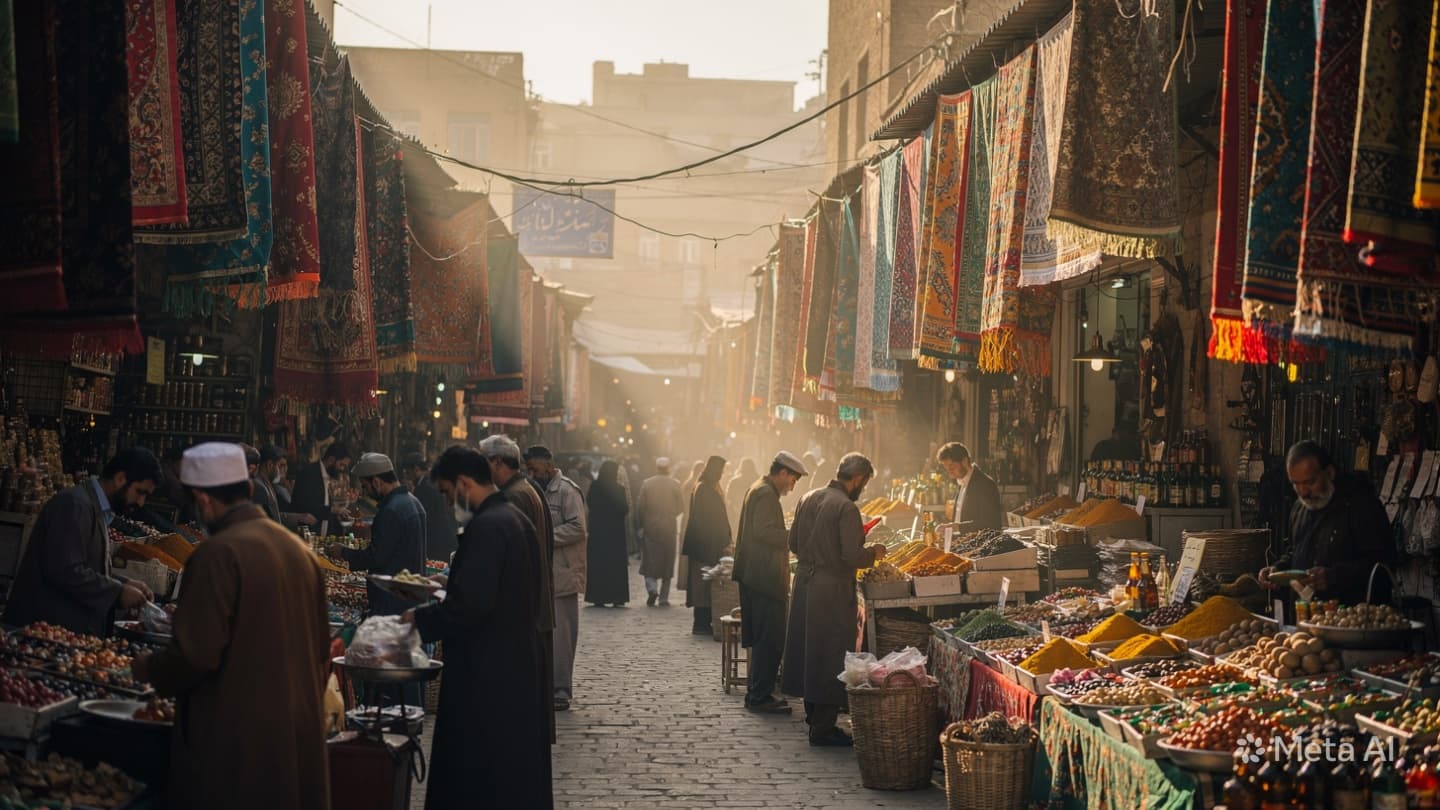
The marketplaces of Kabul have always served as the vibrant, beating heart of the city—a place where the chaotic intersection of commerce, culture, and daily life creates a tapestry that is as complex as it is enduring. It is here, amidst the shouts of traders, the scent of fresh bread, and the ebb and flow of the city’s inhabitants, that the true story of the capital is written. Yet, even in this space of concentrated human connection, there exists a vulnerability that can be exploited by the sudden, chilling reach of violence.
A shooting in such a setting is more than an act of aggression; it is a violation of the very space where people gather to sustain themselves and their families. The market is a site of trust, a neutral ground where the necessity of exchange temporarily overrides the divisions that might otherwise separate the populace. To shatter this with the sound of gunfire is to strike at the communal confidence that allows a city to function, leaving behind an atmosphere of lingering apprehension.
The immediate reaction to such an event is a microcosm of the city’s broader resilience. There is a frantic, instinctive pull away from the site of danger, followed quickly by a collective, silent pause as the reality of the situation sets in. For those who witness it, the experience is a profound shock, a jarring transition from the mundanity of shopping for daily needs to the high-stakes reality of survival. It is a moment that is seared into the collective memory, becoming part of the city’s layered history.
Observers of the regional situation often point to the persistent instability that continues to manifest in targeted incidents, even as the broader landscape shifts under the weight of political and social transitions. The challenge for the authorities is to maintain order within an environment that is defined by its scale and its density, where the potential for disruption is ever-present. It is a task that requires a delicate balance between security presence and the preservation of the market’s essential, open character.
For the families of those affected, the tragedy is not a matter of political narrative, but of a personal, devastating interruption. The loss of a life in such a public sphere is a poignant reminder of the fragility of existence in an environment where the line between peace and danger can be crossed in an instant. The grief that follows is heavy, shared by a community that has become, through necessity, accustomed to the endurance of such hardships.
The investigative response is a methodical, often slow process that attempts to piece together the fragments of the event from the chaos that immediately followed. While the search for perpetrators is a primary concern, there is a secondary, perhaps more enduring struggle: the need to restore the sense of safety that allows the marketplace to remain a place of life. It is a challenge that persists long after the scene has been cleared and the commerce has resumed its tentative flow.
As the city moves forward, the marketplace remains, a testament to the enduring necessity of the life it supports. The incident will be remembered, added to the tally of trials that the people of Kabul have navigated, and in time, it will be absorbed into the ongoing, persistent effort to sustain a sense of normalcy. The city, in its complexity, continues to breathe, fueled by the determination of those who walk its streets, shop in its stalls, and refuse to let the darkness define their future.
Note: This article was published on BanxChange.com and is powered by the BXE Token on the XRP Ledger. For the latest articles and news, please visit BanxChange.com