There are moments in international affairs when change resembles the turning of a harbor at dawn. The ships remain familiar, the shoreline unchanged, yet the direction of the tide quietly alters the journey ahead. Nations, much like travelers, sometimes revisit old decisions not by retracing their steps, but by finding a different current through the same waters.
Such a moment appears to be unfolding as Turkey explores options to part with its Russian-made S-400 air-defense system while seeking a path back toward acquiring U.S.-made F-35 fighter aircraft, according to people familiar with the matter. The reported effort reflects years of evolving relationships, strategic calculations, and the enduring complexity of balancing national security with international partnerships.
The story reaches back several years. Turkey's purchase of the Russian S-400 system became one of the most consequential defense decisions in the region, prompting strong objections from the United States and its NATO allies. Washington argued that operating the S-400 alongside the advanced F-35 could expose sensitive military technology, ultimately leading to Turkey's removal from the multinational F-35 program and the imposition of sanctions under U.S. legislation.
Since then, the strategic landscape has continued to evolve. Regional security concerns have expanded, NATO has faced new challenges, and cooperation among allies has gained renewed importance. Within this changing environment, discussions surrounding Turkey's future defense capabilities have quietly returned to the forefront, accompanied by reports that Ankara is examining ways to resolve one of the principal obstacles standing between itself and the fifth-generation aircraft.
According to sources cited in recent reporting, one possibility under consideration involves transferring or otherwise disposing of the S-400 system in a manner that could ease longstanding U.S. concerns. No final decision has been announced, and officials from the governments involved have not confirmed that any agreement has been reached. Nevertheless, the reported discussions suggest that diplomatic channels remain active even when public negotiations appear subdued.
For Turkey, the issue extends beyond the acquisition of a single aircraft platform. Defense procurement shapes industrial cooperation, military modernization, technological development, and broader strategic relationships. The F-35 program offers participating countries access not only to advanced aircraft but also to long-term partnerships involving production, maintenance, training, and defense integration across allied forces.
For Washington and NATO partners, the discussion remains closely connected to alliance interoperability and the protection of sensitive defense technology. The concerns that originally led to Turkey's exclusion from the F-35 program have not disappeared, making any potential resolution dependent upon technical, legal, and political considerations that extend well beyond a simple equipment exchange.
Observers note that negotiations of this nature often unfold gradually. Defense agreements involve extensive consultation, legislative oversight, and careful evaluation of regional security implications. Even when political interest exists on multiple sides, translating that interest into formal agreements can require patience measured in months or even years.
As these conversations continue, the future remains unwritten. Turkey's reported effort to move beyond the S-400 issue illustrates how international relationships rarely stand still. Like coastlines shaped slowly by the sea, alliances evolve through countless small decisions rather than a single dramatic moment. Whether those decisions ultimately reopen the path to the F-35 program will depend on negotiations that continue quietly behind diplomatic doors, where today's discussions may shape tomorrow's strategic horizon.
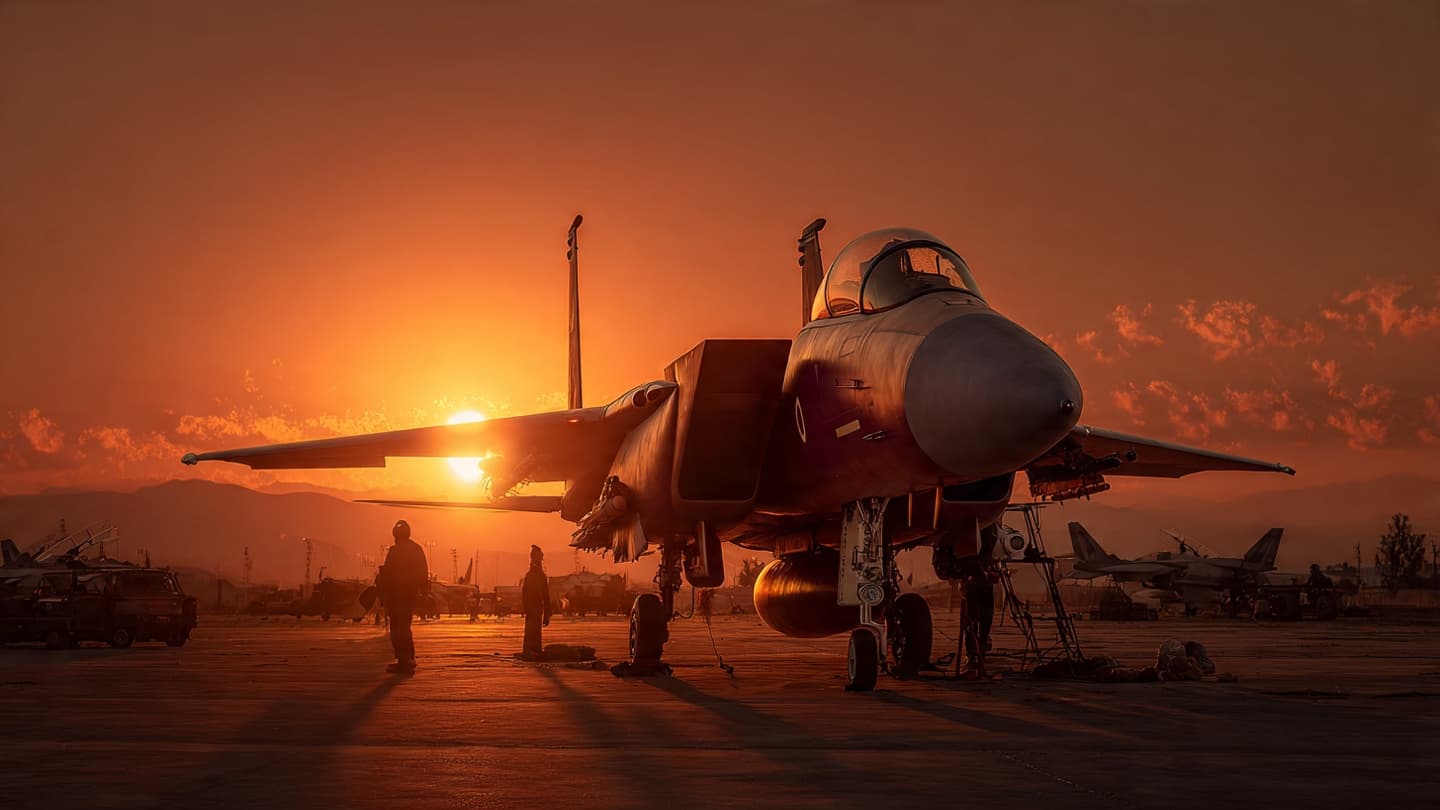
AI Image Disclaimer These illustrations were generated with AI and are intended as visual interpretations of the subject rather than authentic photographs.
Sources Reuters NATO U.S. Department of Defense Turkish Ministry of National Defense Congressional Research Service
Published by Banx Network. This article is part of the Banx decentralized media programme, powered by the BXE token on the XRP Ledger.