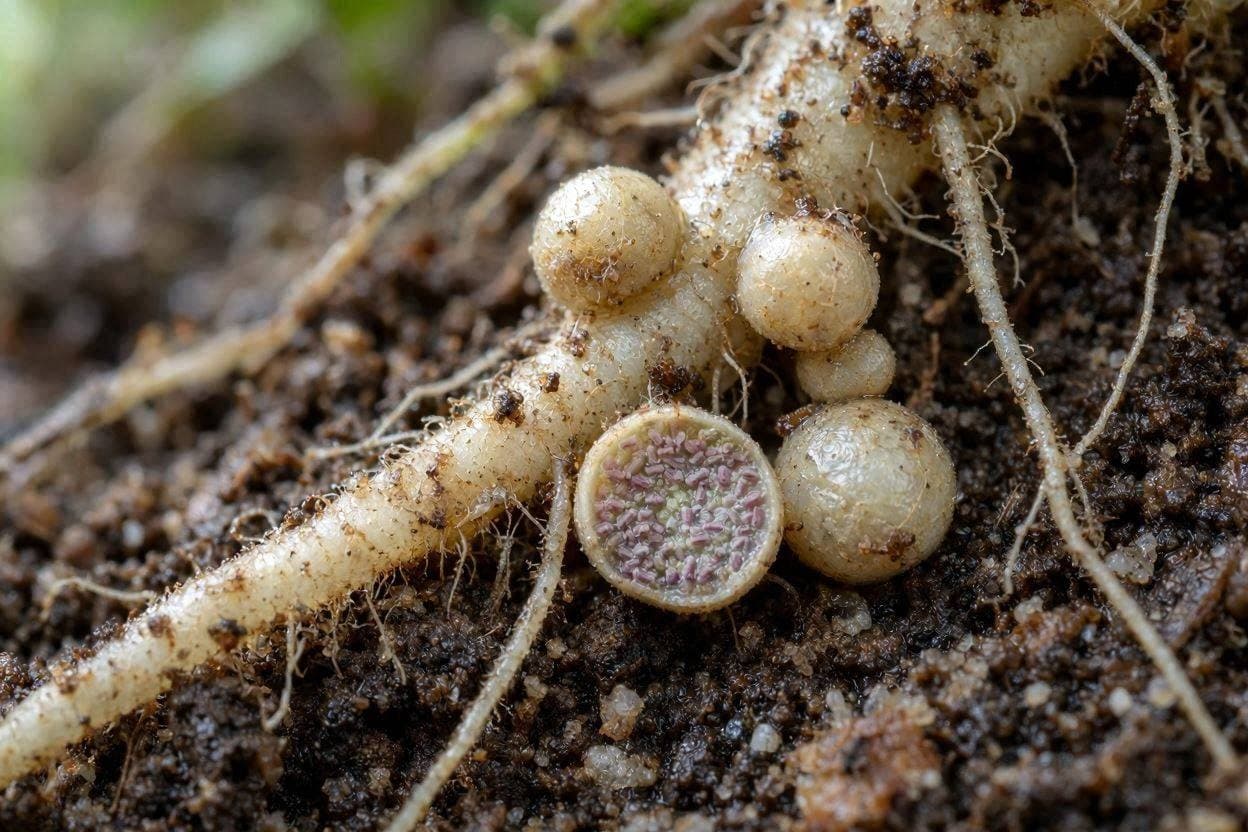
In the hidden world of soil, where roots intertwine with microscopic life, a quiet revolution has been taking place. At the center of this transformation is a scientist whose work with a simple rod-shaped microbe has reshaped our understanding of plant nutrition and sustainable farming. Her discovery highlights the power of symbiosis, showing how tiny organisms can drive significant changes in global agriculture.
The microbe in question is likely a species of Rhizobium or a similar nitrogen-fixing bacterium, known for its ability to convert atmospheric nitrogen into a form plants can use. For decades, farmers have relied on synthetic fertilizers to boost crop yields, a practice that has contributed to environmental degradation and water pollution. By harnessing the natural capabilities of these bacteria, the scientist offered a cleaner, more efficient alternative.
Her research focused on optimizing the relationship between the microbe and legume crops, such as soybeans and peas. Through careful selection and genetic enhancement, she developed strains that were more effective at colonizing plant roots and fixing nitrogen. This innovation reduced the need for chemical inputs, lowering costs for farmers and minimizing the ecological footprint of agriculture.
The impact of her work extends beyond the laboratory. In fields across the world, crops treated with these beneficial microbes have shown improved growth and resilience. Farmers report healthier soils and higher yields, demonstrating that nature-based solutions can compete with industrial methods. This shift represents a move toward regenerative agriculture, which seeks to restore rather than deplete natural resources.
For the scientific community, her success underscores the importance of basic microbiological research. Understanding the complex interactions between plants and microbes opens new avenues for innovation. It challenges the notion that technological progress must always be mechanical or chemical, suggesting that biological solutions can be equally powerful.
The agricultural revolution she helped spark is not just about productivity but sustainability. As climate change threatens food security, finding ways to grow more with less is crucial. Her work provides a model for how science can address global challenges by working with, rather than against, natural systems.
Today, her legacy is seen in the thriving fields and healthier ecosystems that benefit from her discoveries. It is a reminder that sometimes the smallest actors play the biggest roles. In the quiet dance between a rod-shaped microbe and a plant root, a future of sustainable farming is being written.
Closing: A scientist’s work with nitrogen-fixing rod-shaped microbes has reduced reliance on synthetic fertilizers, promoting sustainable agriculture. Her innovations highlight the potential of biological solutions to improve crop yields and environmental health.
AI Image Disclaimer: The images associated with this piece are AI-generated and serve as artistic interpretations of the described events.
Sources: Scientific Journals on Microbiology, Agricultural Research Reports, Major Science News Outlets
Published by Banx Network. This article is part of the Banx decentralized media programme, powered by the BXE token on the XRP Ledger.