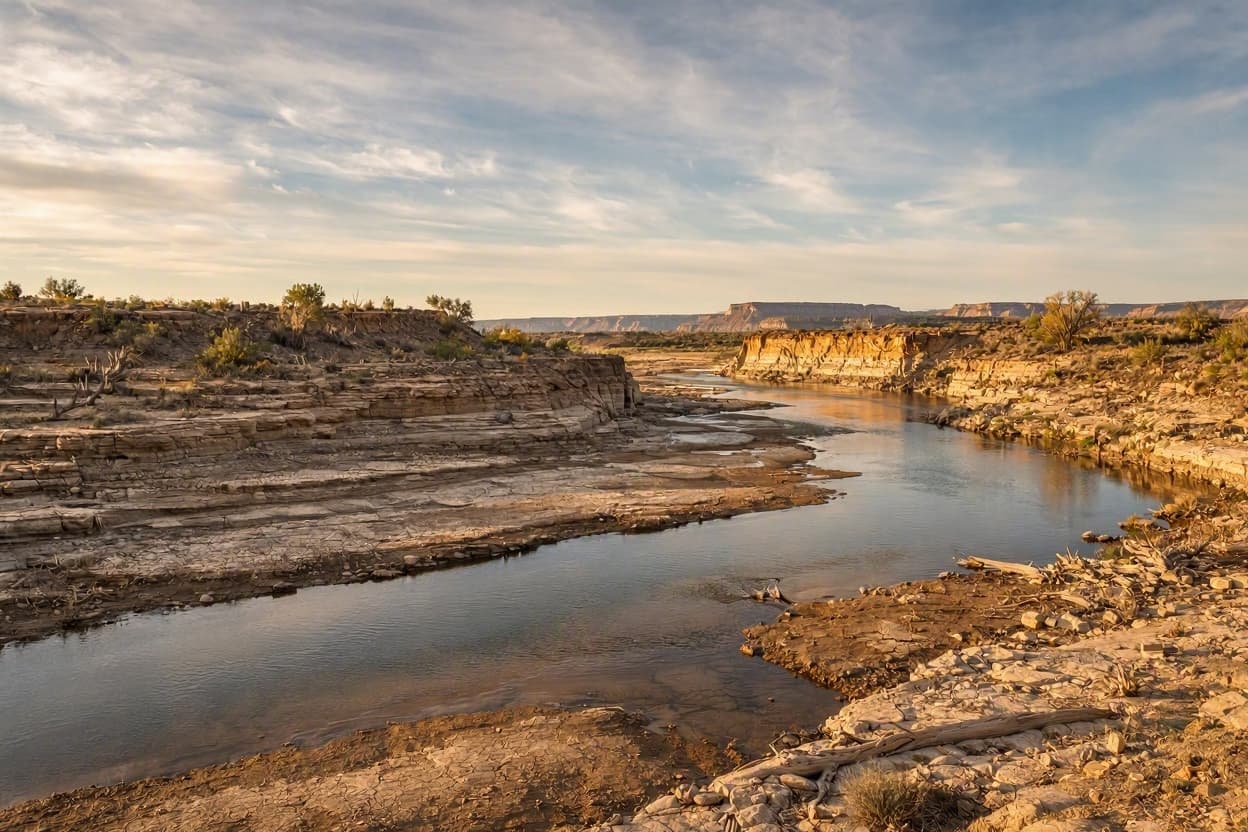
The Colorado River, a lifeline for millions in the Southwest, is whispering a warning that can no longer be ignored. As its waters recede to historic lows, the federal government has announced necessary cuts to water allocations for Arizona, California, and Nevada. This difficult decision marks a pivotal moment in the region’s history, forcing a reckoning with the realities of climate change and the limits of natural resources in an arid landscape.
For decades, the river has supported a booming population, vast agricultural fields, and vibrant cities. But prolonged drought and overuse have strained the system beyond its capacity. The Bureau of Reclamation’s announcement is not merely a bureaucratic adjustment but a stark reminder that the era of abundant water is ending. It calls for a fundamental shift in how communities manage, conserve, and value this precious resource.
Arizona, California, and Nevada face varying degrees of reduction, depending on their existing rights and usage patterns. For farmers, this means tough choices about crop selection and irrigation methods. For urban residents, it signals the need for stricter conservation measures and a reevaluation of daily habits. The impact will be felt across sectors, from energy production to recreational tourism, reshaping the economic fabric of the Southwest.
The decision has been met with a mix of resignation and urgency. State leaders are scrambling to implement contingency plans, seeking innovative solutions to mitigate the shortfall. Investments in desalination, wastewater recycling, and infrastructure upgrades are accelerating. It is a race against time, driven by the necessity to adapt to a drier future.
Community engagement is crucial in this transition. Residents are being encouraged to participate in conservation programs, reducing outdoor water use and fixing leaks. Education campaigns highlight the importance of every drop, fostering a culture of stewardship. The collective effort of individuals, though small in isolation, adds up to significant savings when multiplied across millions of households.
Ecologically, the reduced flow affects river habitats and wildlife. Conservationists are working to protect endangered species and maintain ecosystem health despite lower water levels. The balance between human needs and environmental preservation is delicate, requiring careful management and scientific guidance. It is a testament to the interconnectedness of all life dependent on the river.
Looking ahead, the situation underscores the need for long-term regional cooperation. The seven states that share the Colorado River must work together to create sustainable management frameworks. Federal support will be essential in funding infrastructure and research. The goal is to ensure that the river continues to serve future generations, even in a changing climate.
In the end, the water cuts are a call to action. They challenge us to rethink our relationship with nature and to embrace sustainability as a core value. For the Southwest, it is a moment of transformation, urging resilience and innovation. The hope is that through collaboration and care, the region can thrive despite the challenges of a thirsty world.
AI Image Disclaimer: Visuals in this article are AI-generated illustrations of river landscapes and abstract representations of water conservation, designed to visualize the theme of environmental scarcity without depicting real proprietary data maps or specific drought-stricken locations.
Sources: Associated Press, NPR, The Arizona Republic, Los Angeles Times
Note: This article was published on BanxChange.com and is powered by the BXE Token on the XRP Ledger. For the latest articles and news, please visit BanxChange.com