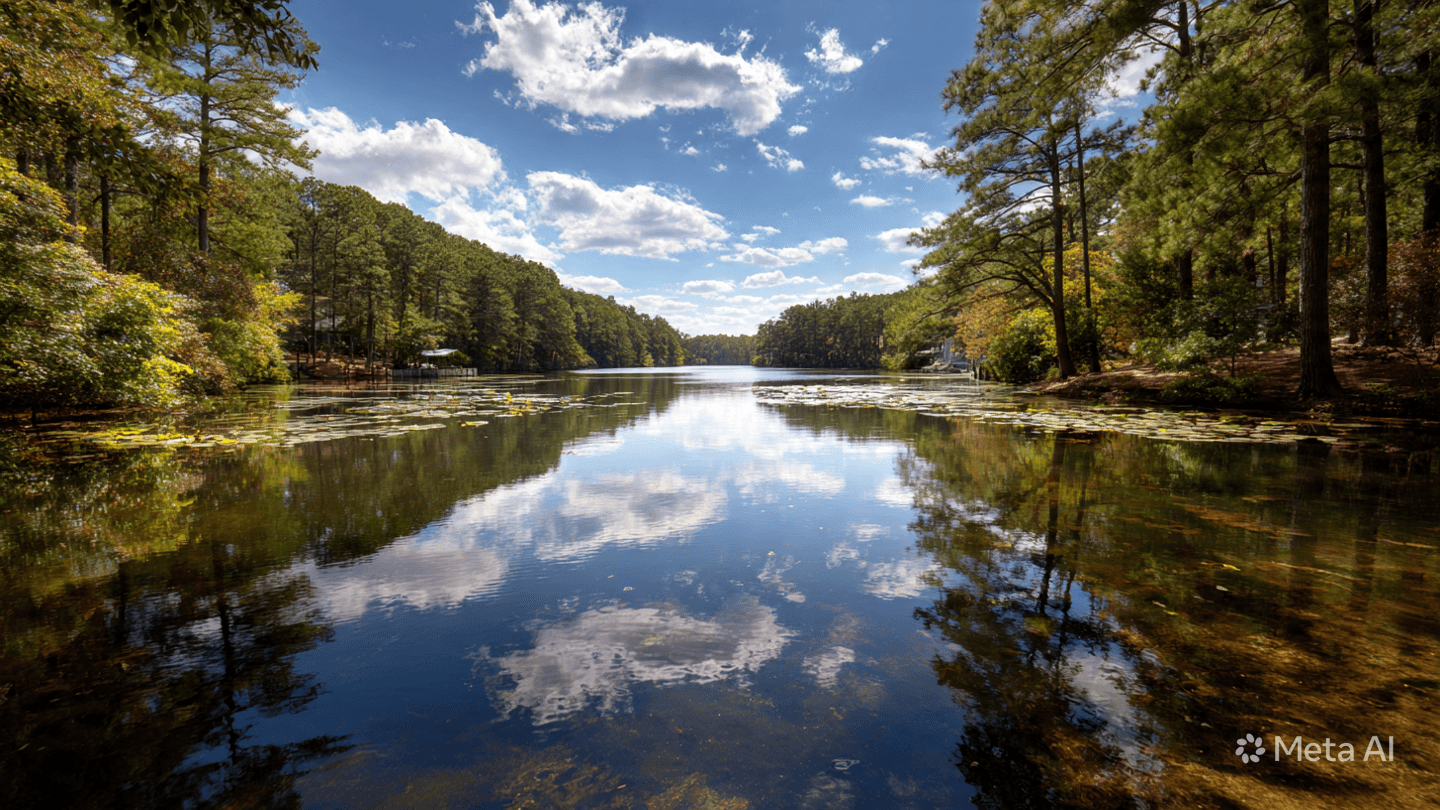
The lakes of North Carolina are sites of summer respite, where the heat of the season is tempered by the cool, expanse of the water. It is a landscape defined by its clarity and its capacity for recreation, inviting the young to explore the edges of the shore. On a recent weekend at Lake James, this atmosphere of leisure was shattered by a sudden, tragic drowning of an 18-year-old. The event, which occurred with the quiet, indifferent speed of a submerged threat, turned a day of communal joy into an ordeal of recovery, leaving a community to reckon with the profound and sudden loss of a young life.
When a swimmer fails to resurface, the transformation of the lake from a place of gathering to a site of urgent, desperate search is almost instantaneous. For the emergency crews and water rescue teams who responded to the area, the task was one of profound precision—a race to map the depths of the lake and reach the victim before time dissolved the possibility of return. It is a mission of immense physical difficulty, performed under the watchful, anxious eyes of the public and the heavy, silent pressure of the water’s own depth. The search, while methodical, carried the inevitable weight of a concluding tragedy.
The recovery of the victim’s body marked a moment of somber finality, a transition from the chaotic motion of the search to the heavy, stagnant reality of loss. For the family and friends of the teenager, the lake is no longer a place of summer memory, but a site of profound and permanent alteration. The investigation into the incident, while noting no signs of foul play, serves to document the sequence of the day—the small, incremental decisions that led to the moment of disappearance. It is a process of closure that does little to fill the void left by the absence of the individual.
There is a reflective space that develops after such an event, a collective pause where the community confronts the inherent risks of the water. It is a conversation about the beauty of the lake and the deceptive simplicity of its surface, a reminder that the natural environment possesses a power that demands constant, vigilant respect. We are reminded of the fragility of our own reach, the thin margin between the surface and the abyss. This realization, while sobering, is a necessary component of our engagement with the waterways that define the North Carolina landscape—a quiet, constant awareness of our own limits.
The impact of the tragedy has been felt throughout the region, with local officials and community leaders offering their condolences to the bereaved family. There is a desire to honor the memory of the teenager, to acknowledge the future that was lost and the presence that is now absent from the lives of those who knew him. In the wake of the event, memorials and tributes have appeared, small tokens of remembrance that seek to bridge the gap between the living and the lost. It is a testament to the strength of the community, a quiet, enduring commitment to the support of one another in the face of profound sorrow.
As the state of North Carolina moves further into the summer season, the lessons of this drowning are being carried forward into broader public awareness campaigns. Water safety, often a routine message, has taken on a new, urgent meaning. The goal is to cultivate a culture of awareness, where the enjoyment of the water is always balanced by the precautions that guard against its unpredictable nature. This involves a collaborative effort to ensure that everyone who visits the lake—from the casual swimmer to the dedicated boater—is equipped with the knowledge and the equipment necessary to stay safe.
The lakes of North Carolina continue to shimmer under the sun, yet they are navigated now with a deeper, more profound understanding of the risks they hold. The memory of the 18-year-old victim remains a point of reference, a reminder of the precious, fleeting nature of the lives that pass through these spaces. As the community continues to heal, the focus remains on the preservation of life and the support for those who carry the burden of the loss. It is a process of learning, an ongoing dialogue between the people and the water, where the lessons of the past are used to safeguard the promise of the future.
Authorities have identified 18-year-old Austin Shyjuan Washington of Lincolnton as the victim of a fatal drowning at Lake James. Emergency agencies were alerted to the area near the Linville Dam when the teenager failed to resurface after entering the water. Multiple dive and rescue teams conducted an extensive search, eventually recovering the body several hours later. The Burke County Sheriff’s Office is handling the investigation, and no foul play is currently suspected. Public safety officials are urging lake visitors to practice extreme caution and use appropriate safety flotation when near the water.
Published by Banx Network. This article is part of the Banx decentralized media programme, powered by the BXE token on the XRP Ledger.