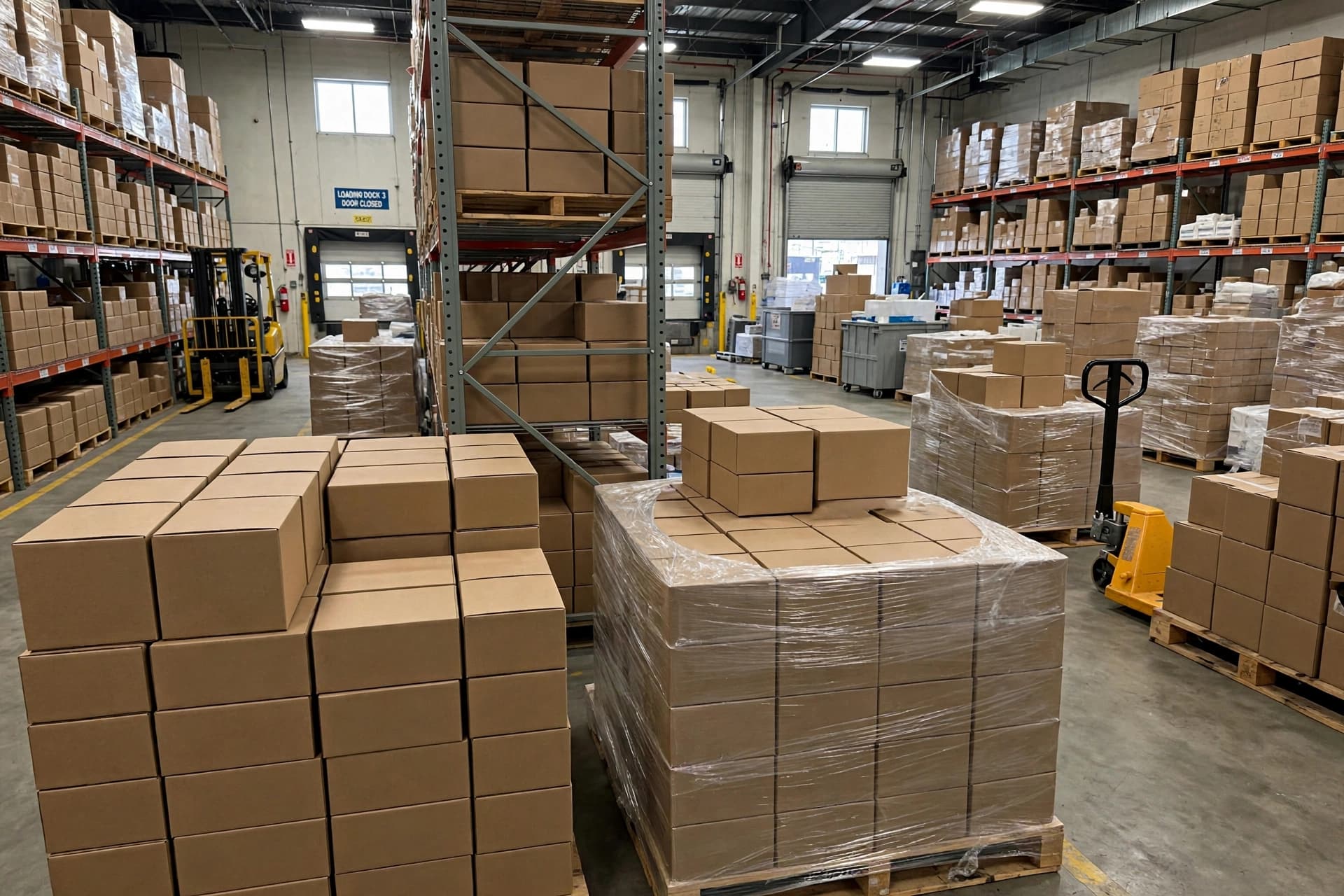
A product resting on a store shelf often carries a story invisible to the customer. Raw materials may have originated in one country, manufacturing may have occurred in another, and transportation networks may have crossed multiple continents before delivery was complete. Modern supply chains are remarkable systems of coordination, yet their complexity also creates vulnerabilities.
Companies around the world continue adjusting supply-chain strategies as they respond to emerging economic, logistical, and operational risks. The objective is not simply efficiency but resilience—the ability to maintain operations even when conditions become unpredictable.
Over recent years, businesses have gained firsthand experience with supply-chain disruptions. Delays in transportation, fluctuations in shipping costs, and unexpected operational interruptions have highlighted the importance of contingency planning. These experiences continue influencing corporate decision-making.
Diversification has become a common strategy. Rather than relying exclusively on a single supplier or production location, many organizations are expanding their networks across multiple regions. Broader sourcing options can help reduce exposure to localized disruptions.
Technology plays a growing role in supply-chain management. Advanced analytics, artificial intelligence, and real-time tracking systems provide greater visibility into operations. Improved data helps companies identify risks earlier and respond more effectively when challenges arise.
Inventory management practices have also evolved. While lean operations remain attractive from a cost perspective, some businesses are maintaining additional stock levels for critical materials and products. Strategic reserves can provide flexibility during periods of uncertainty.
Transportation planning has become increasingly sophisticated. Logistics providers evaluate alternative routes, shipping methods, and distribution strategies to improve reliability. Adaptability often determines how effectively businesses can maintain continuity during changing conditions.
Collaboration across supply-chain partners is equally important. Manufacturers, suppliers, logistics companies, and retailers increasingly share information to improve coordination and reduce operational surprises. Strong relationships can contribute significantly to resilience.
Economic experts note that supply chains are likely to remain dynamic as global markets evolve. Technological innovation, demographic shifts, infrastructure development, and changing consumer expectations will continue shaping how goods move around the world.
The pursuit of resilience reflects a broader lesson learned throughout the global economy. Efficiency remains valuable, but flexibility has become equally important. As companies adapt to emerging risks, they are redesigning supply chains not only to move products more effectively but also to withstand the uncertainties that accompany an interconnected world.
AI Image Disclaimer Illustrations were produced with AI and serve as conceptual depictions.
Sources Reuters Bloomberg Financial Times World Bank The Economist
Published by Banx Network. This article is part of the Banx decentralized media programme, powered by the BXE token on the XRP Ledger.