The winding ascents of Borgo Maggiore carry a historical rhythm, where the stone architecture of San Marino meets the modern flow of daily commuters. On this particular afternoon, the predictable hum of the hillside traffic was abruptly severed by the sharp, metallic resonance of an unexpected impact. Two vehicles, navigating the narrow parameters of the mountain route, came to a sudden and violent halt against each other, bringing immediate stillness to the thoroughfare.
Within moments, the everyday sounds of the historic suburb were replaced by the urgent, rising cadence of approaching sirens echoing off the nearby cliffs. The scene became an improvised theater of emergency, where the crumpled forms of the automobiles stood as a stark monument to the fragility of human transit. The passing motorists stopped their engines, stepping out into the cool mountain air to witness the unfolding intervention.
The arrival of the medical and rescue teams brought a quiet, methodical discipline to the chaotic landscape of the crash. Their primary task was one of patient extraction, a delicate process requiring specialized tools to cut through the twisted alloys of the vehicle cabin. Every movement by the responders was measured and deliberate, balancing the profound urgency of the injury with the surgical precision needed to prevent further harm.
There is a unique gravity that descends upon a roadside when a life hangs in the temporary balance of a rescue operation. The onlookers stood in a silent semi-circle, their hushed conversations turning into a collective watchfulness that mirrored the intensity of the paramedics. The ancient slopes of Mount Titano looked down upon the modern crisis, a permanent backdrop to the fleeting vulnerability of the human travelers below.
Hydraulic cutters sheared through the reinforced pillars of the vehicle, the sharp groans of metal resisting metal puncturing the quietude of the valley. The responders worked in absolute sync, communicating through brief, practiced commands that demonstrated a deep familiarity with crisis. Inside the vehicle, the injured awaited the completion of this mechanical liberation, suspended between the impact and the sanctuary of the hospital.
The rescue workers carefully extracted the individuals from the wreckage, placing them onto waiting stretchers with a gentle, protective grace. The transition from the claustrophobic confinement of the ruined steel to the open air marked the successful conclusion of the primary rescue phase. The ambulances, their lights painting the nearby stone walls in rhythmic blue pulses, departed down the mountain toward the regional trauma centers.
With the patients safely en route, a secondary quietude settled over the scene as the traffic police began documenting the geometry of the collision. Debris lay scattered across the asphalt like dark confetti—shattered glass, plastic fragments, and fluid trails that marked the final path of the vehicles. The tow trucks arrived soon after, lifting the disabled machines with heavy chains, preparing the road for its eventual return to normalcy.
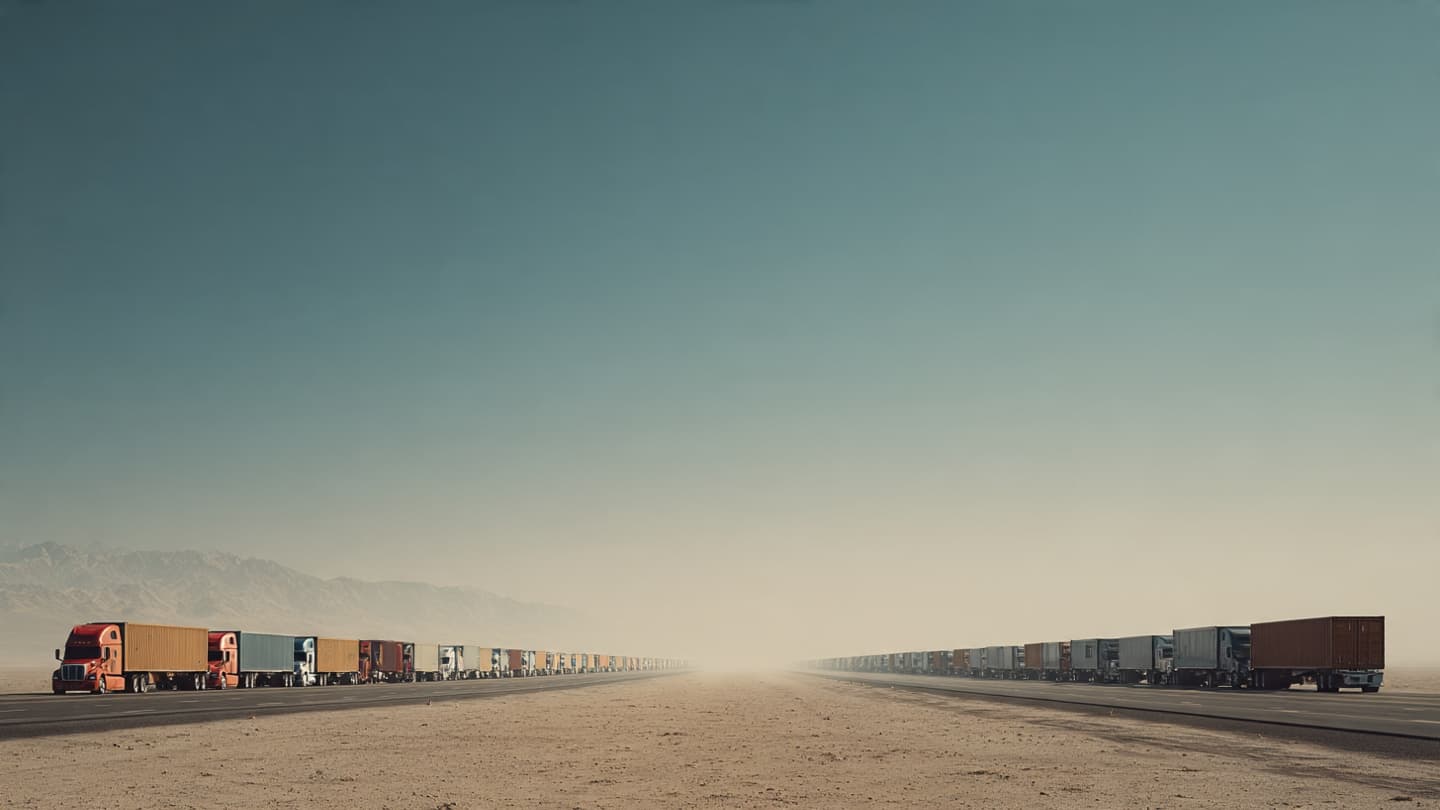
By the time the evening shadows began to stretch across Borgo Maggiore, the lanes had been cleared and washed of their residual stains. The cars that had been delayed for hours began to move once more, their drivers passing the site with a slow, contemplative glance at the empty asphalt. The mountain road reclaimed its regular cadence, carrying its travelers upward into the mist, while the echoes of the afternoon rescue faded into the stone.
Published by Banx Network. This article is part of the Banx decentralized media programme, powered by the BXE token on the XRP Ledger.