
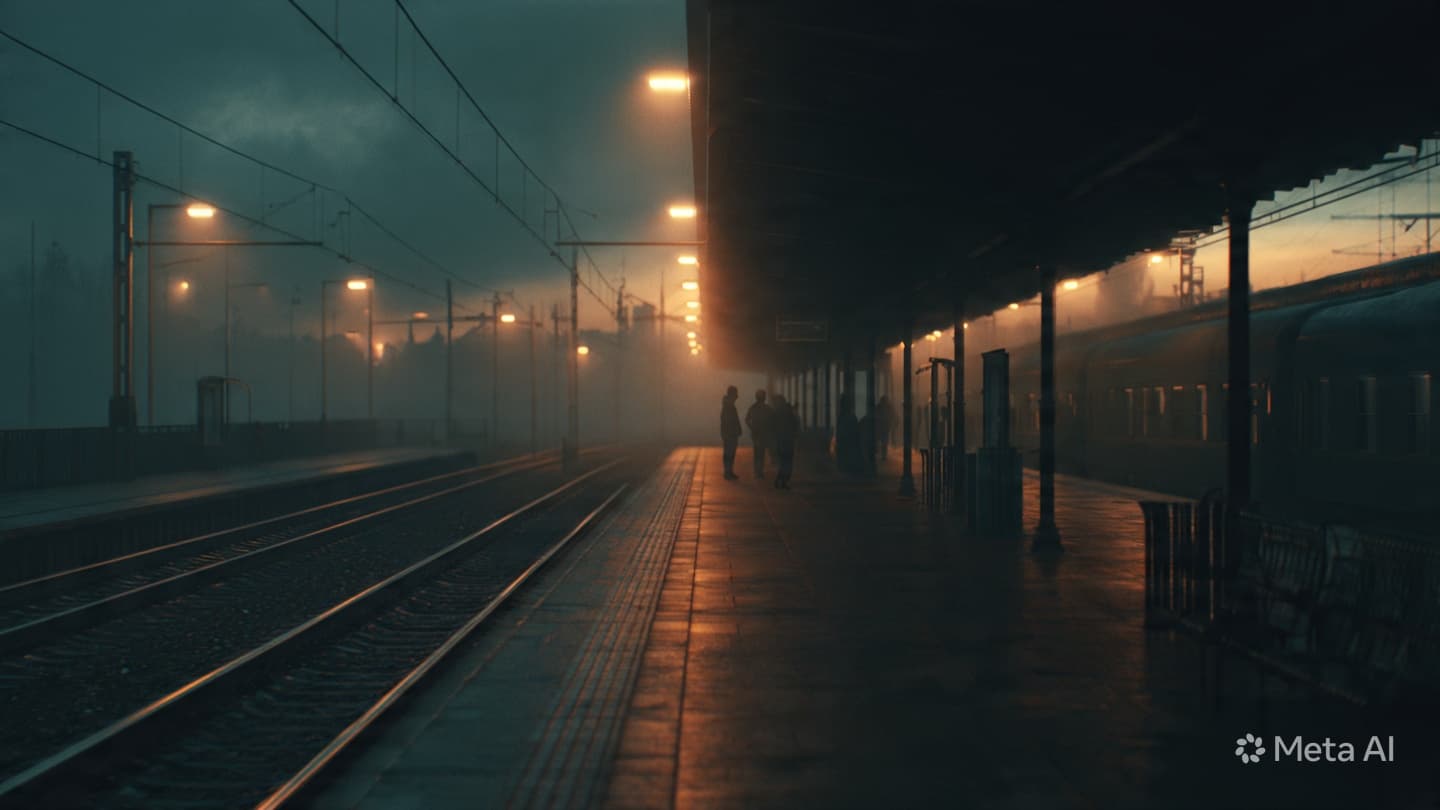
The morning began with the routine rhythm of the railway, a steady, mechanical pulse that has long served as the heartbeat of the Quetta Valley. It is a place where the movement of trains marks the passage of time, connecting remote lives to the wider world through the unyielding strength of steel and rail. Yet, in a singular, violent moment, this rhythm was shattered, leaving in its wake a stillness that is heavy with the profound, quiet weight of collective loss. It is a tragedy that reminds us, with brutal clarity, of how vulnerable our public spaces are to the unexpected intrusions of malice.
When we consider the nature of such an event, we are forced to confront the limits of our ability to safeguard the places where we congregate. The railway station, intended to be a conduit of connection and departure, became the site of a profound rupture. The news of casualties rippled outward, touching not just the families of those directly affected, but the entire community, which now grapples with the task of reconciling the normalcy of the morning with the sudden, harrowing intrusion of the afternoon. It is a moment for mourning, for reflection, and for acknowledging the resilience of those who must continue to move through these spaces.
The investigation that follows such an event is a process of sorting through the fragments, both literal and metaphorical. Authorities are now tasked with the difficult work of piecing together the timeline, seeking to understand the motivation behind an act that targets the mundane and the innocent. There is a clinical focus to this work, a necessary detachment that allows for the collection of evidence and the identification of accountability. Yet, behind the official reports and the tactical analysis, the human reality of the tragedy remains the primary, defining feature of the narrative.
In the aftermath, the city of Quetta finds itself at a crossroads. The railway has always been a symbol of progress and connectivity, a link that helps to anchor the region to the national structure. To strike at this infrastructure is to strike at the confidence of the populace in their own daily movements. The response, therefore, must be as much about restoring that confidence as it is about the prosecution of justice. It requires a commitment to safety that is visible, reassuring, and rooted in a deep respect for the lives lost.
There is a contemplative quality to the public response, a sense of collective solidarity that emerges when the ordinary becomes the site of the extraordinary. As citizens gather to honor those affected, the discourse moves beyond the immediate news of the blast toward a broader reflection on the necessity of peace. It is a recognition that the transit of people should be a source of opportunity, not a target for violence. This shared understanding is the most potent response to those who seek to create fear through the disruption of civil life.
As the authorities continue their work, the atmosphere in the region remains solemn. The tragedy has cast a long, cooling shadow over the valley, prompting a reassessment of security measures across all transport hubs. It is a sobering evolution, one that reflects the current reality of the threats faced by the state. The challenge is to implement these measures without sacrificing the open, accessible nature of the transport systems upon which so many depend for their livelihood.
Ultimately, the events in Quetta serve as a stark reminder of the complexities inherent in maintaining security in a diverse and sprawling nation. The incident will be studied, the protocols will be revised, and the station will eventually return to its rhythmic, mechanical life. Yet, the memory of this morning will linger, a quiet warning about the fragility of our systems and the enduring strength of the human spirit in the face of such adversity. It is a story of a day that began with the mundane and ended in a profound, indelible change.
The Government of Pakistan has initiated a high-level investigation into the explosion that occurred at the Quetta railway station, which resulted in multiple fatalities and injuries. Security forces have cordoned off the area to conduct forensic analysis, while hospital services have mobilized to provide care for the victims. Authorities have condemned the attack as a deliberate act aimed at destabilizing transport infrastructure and are working to identify the individuals responsible. Further updates on the security protocols and the status of the investigation are expected as the situation develops.
Note: This article was published on BanxChange.com and is powered by the BXE Token on the XRP Ledger. For the latest articles and news, please visit BanxChange.com