In the quiet, nondescript corners of our neighborhoods, there is a fundamental expectation of sanctuary—a belief that the walls we raise offer a permanent and inviolable protection. In Plainfield Township, Michigan, that belief was violently disrupted during the early hours of a morning, when the sudden, percussive force of an explosion rendered a residence into a heap of fractured debris. The blast, which sent shockwaves through the immediate vicinity, served as a jarring reminder of how quickly the stability of home can be compromised by forces that are often unseen until they are suddenly, catastrophically manifest.
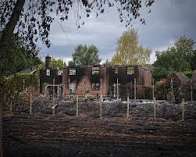
The aftermath of such an event is a disquieting study in fragmentation. Where there was once a structure—a place of rest and routine—there remained only the skeletal remnants of beams and personal belongings scattered across the street. The intensity of the explosion was such that it registered on the senses of neighbors blocks away, transforming a peaceful dawn into a scene of urgent confusion and deep, lingering uncertainty. For those who arrived on the scene first, the priority was the rapid, heart-pounding effort to navigate the instability and reach any survivors trapped beneath the weight of the wreckage.
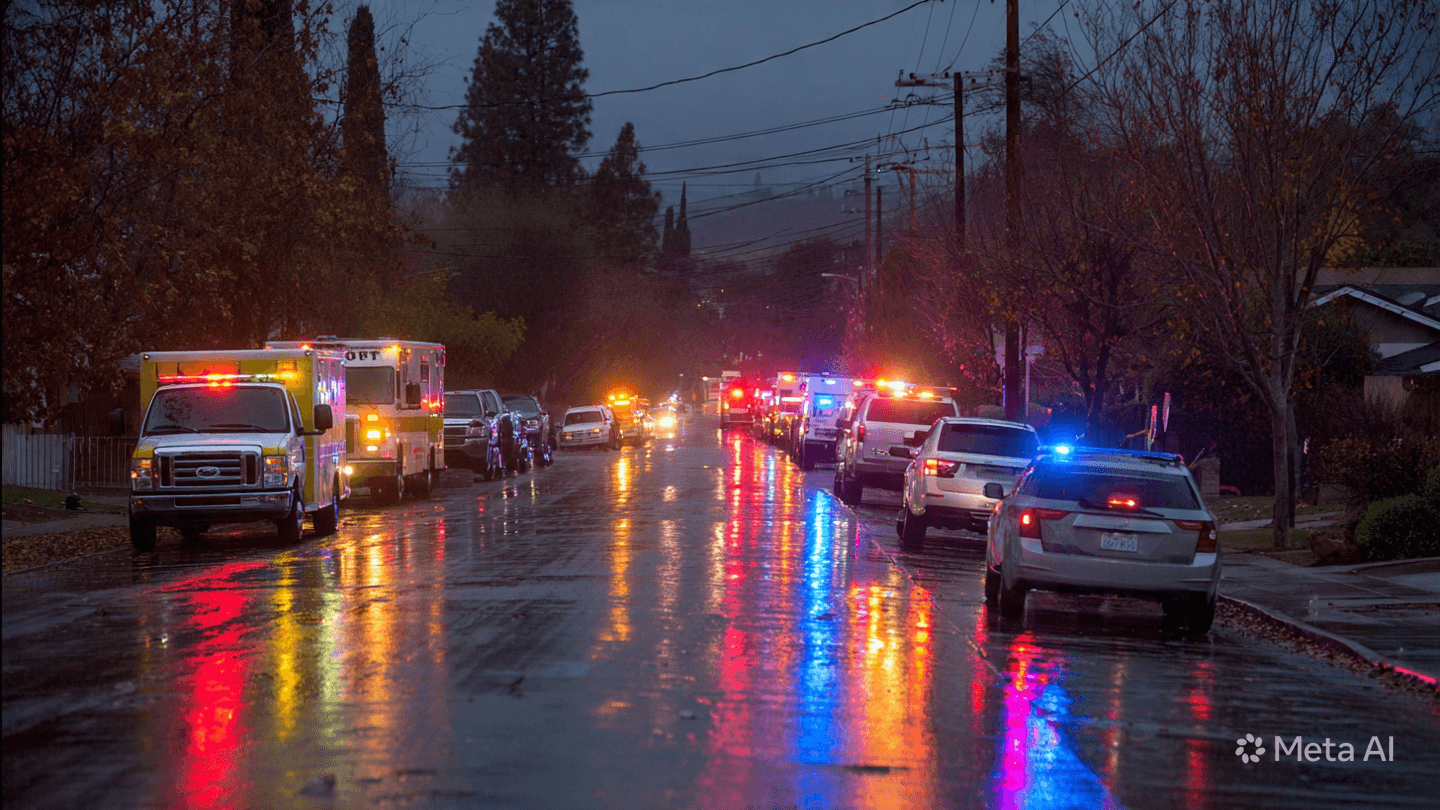
In the hours that followed, the neighborhood was transformed into a site of investigation. Local sheriff’s offices and fire departments moved with a practiced, somber efficiency, mapping the perimeter of the disaster. For the investigators tasked with uncovering the cause, the process is one of patient deduction, looking through the charred remains to find the origin of the ignition. Early assessments have pointed toward the presence of natural gas, an essential, invisible utility that, under the wrong circumstances, can harbor the energy of an immense and uncontrollable force.
The emotional toll of such an event is felt far beyond the immediate blast zone. It ripples through the community, forcing residents to confront the reality of the infrastructure that supports their daily existence. There is a collective pause as people reflect on their own homes, questioning the hidden systems—the pipes, the valves, and the connections—that run beneath their floors and behind their walls. It is a quiet, contemplative fear, one that sits just beneath the surface of daily life, acknowledging how close the line between comfort and chaos truly resides.
As the authorities delve deeper into the circumstances surrounding the Michigan incident, the investigation has taken a somber turn. Reports suggest that the circumstances may be domestic in nature, hinting at a human element that complicates the tragedy beyond simple mechanical failure. This realization adds a layer of sorrow to the event, as the narrative shifts from an accidental occurrence to one involving intentional action. It is a difficult path for a community to traverse, as they must process not only the loss of property and safety but the dark complexity of a human intent that shattered the morning.
Support systems have emerged, with neighbors and local organizations providing the immediate framework for recovery. In the aftermath, the focus is placed on the injured and the grieving, as the community attempts to reconcile the suddenness of the loss with the desire for closure. It is a slow, iterative process, defined by the gradual clearing of debris and the ongoing interviews and evidence collection. The silence that has returned to the street is no longer the peaceful quiet of a residential neighborhood, but a heavy, reflective silence that marks the passage of a significant and traumatic event.
The investigation is far from complete, as federal and local agencies collaborate to confirm the chain of events that led to the detonation. The findings will likely be used to inform future safety assessments, serving as a reminder of the vigilance required in managing volatile resources. However, for those who lived through the event, the technical reports will never fully replace the sense of place that was lost in that single, defining moment. The work of recovery, both physical and emotional, is a long-term commitment that the township must undertake together.
As the sun rises over Plainfield Township, the community continues to look toward the site of the explosion not with the casual indifference of the past, but with a heightened sense of shared vulnerability. The resilience of those affected is a testament to the strength found in the wake of tragedy, yet the incident remains a stark point of reference. It is a story of how a single event can rewrite the history of a street, forcing a reevaluation of what it means to be safe in the spaces we call our own. The residents wait for the final answers, hoping that in the clarity of the truth, they might eventually find a measure of peace.
Authorities in Kent County, Michigan, responded to a fatal house explosion in Plainfield Township that occurred early in the morning. The incident resulted in one death and one injury, with investigation efforts currently pointing toward the intentional release of natural gas in the basement. Local law enforcement and fire officials are continuing their inquiry into the circumstances surrounding the blast, while the community focuses on recovery and support for those impacted by the tragedy.
Published by Banx Network. This article is part of the Banx decentralized media programme, powered by the BXE token on the XRP Ledger.