
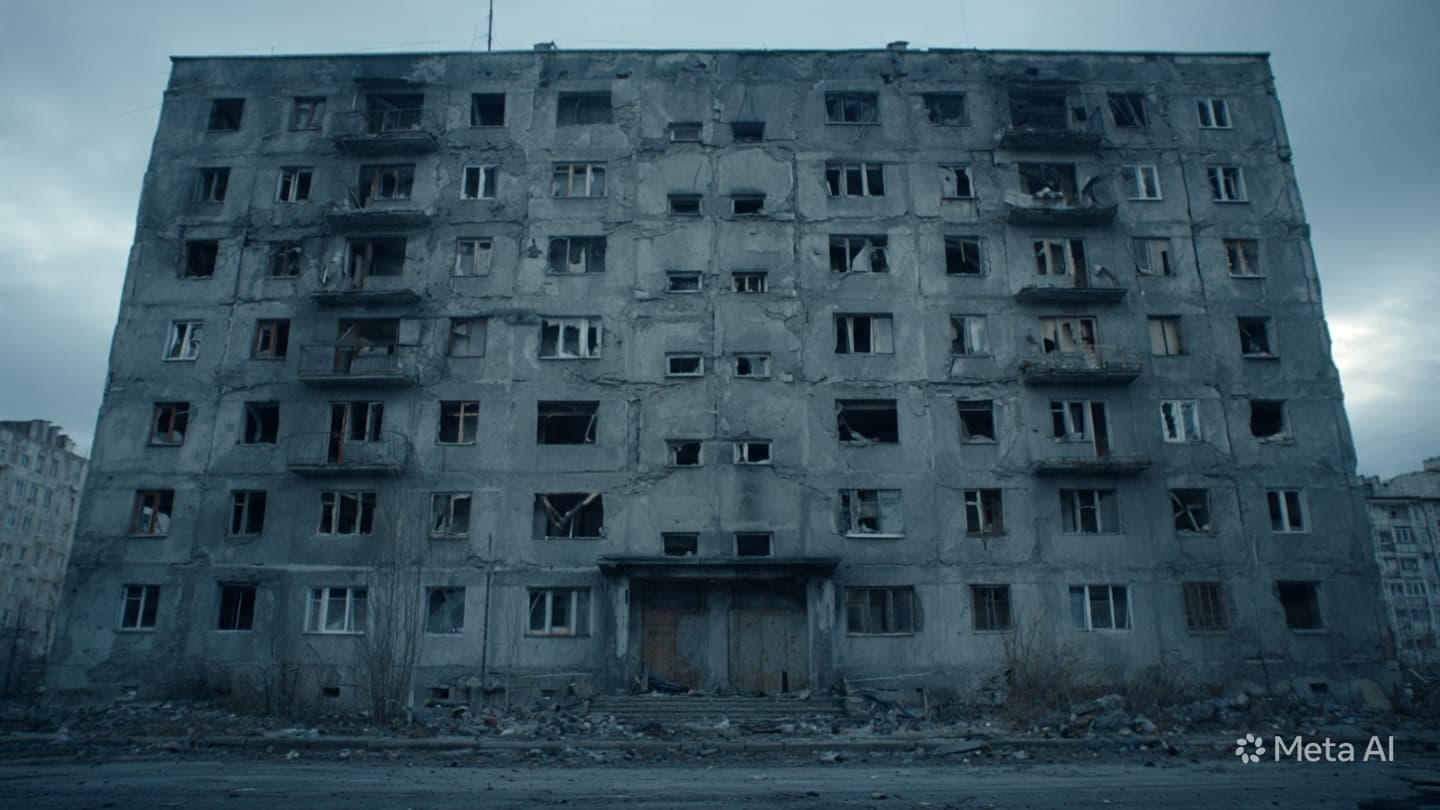
The five-story residential block in Novosibirsk, a familiar and steadfast silhouette against the Siberian horizon, is built upon the quiet promise of domestic permanence. It is a structure designed to hold the weight of lives, the memories of families, and the steady, rhythmic pulse of morning routines. Yet, when the hidden pressure of a gas leak manifests in an explosion, that promise is shattered in a single, devastating moment, turning a place of refuge into a landscape of jagged edges and exposed, empty rooms.
To see a portion of such a building leveled is to witness a profound dissonance; the structure that once stood as a shield against the elements now lies open, its internal secrets laid bare to the gray, impartial sky. The explosion does not merely displace stone and brick; it tears through the social fabric of the neighborhood. Three lives were brought to an absolute silence in the blast, a sudden erasure that leaves the community to grapple with the realization that the foundations of their safety can be compromised by the very systems they rely on for warmth.
Emergency responders, their silhouettes illuminated by the stark, artificial light of the search teams, move through the debris with a somber, methodical grace. Their efforts to stabilize the injured and reach the trapped are an act of defiance against the randomness of the event, a necessary exertion of human order upon a scene of chaotic destruction. Every layer of rubble removed is a silent tribute to the lives interrupted, and a desperate effort to minimize the finality of the loss.
The ten individuals now facing the trauma of the hospital are the primary witnesses to the event’s suddenness—a moment of mundane transition that vaulted them into a reality of emergency. For the families, the experience is one of profound disorientation, a displacement not just from their homes, but from the sense of continuity they had cultivated within those walls. The building itself, once a collective home, now stands as a somber monument to the precariousness of our built environments.
In the wake of the explosion, the city of Novosibirsk pauses, the routine of the day replaced by the solemn discourse of investigation. The authorities will look for the failure—the corroded joint, the unvented pipe, the missed inspection—but these details provide little balm to the hollow left in the skyline and the lives of those who once lived within that space. It is a reflection on the latent dangers we carry with us into our most private moments, and the persistent, quiet vulnerability of the city.
As the neighborhood begins the long, arduous process of recovery, the site of the explosion remains a threshold of memory, a place where the daily rhythm was violently interrupted. The city continues to breathe, the trains move, and the shops open, but the impact of the blast lingers in the minds of the residents, a sobering reminder of the fragile balance we strike in our collective existence. The concrete remains, the structure endures, but the air within the neighborhood is heavier now, filled with the echoes of a disaster that has left three lives behind and a community forever changed.
Municipal authorities in Novosibirsk confirmed that a powerful gas explosion caused the partial collapse of a five-story residential building. Search and rescue operations were activated immediately to evacuate residents from the site of the wreckage. The incident resulted in three confirmed fatalities and left ten people injured, who have since been transported to regional medical centers. Forensic specialists are currently analyzing the building’s gas supply infrastructure to identify the source of the rupture and ensure the safety of the surrounding residential blocks.
Note: This article was published on BanxChange.com and is powered by the BXE Token on the XRP Ledger. For the latest articles and news, please visit BanxChange.com