
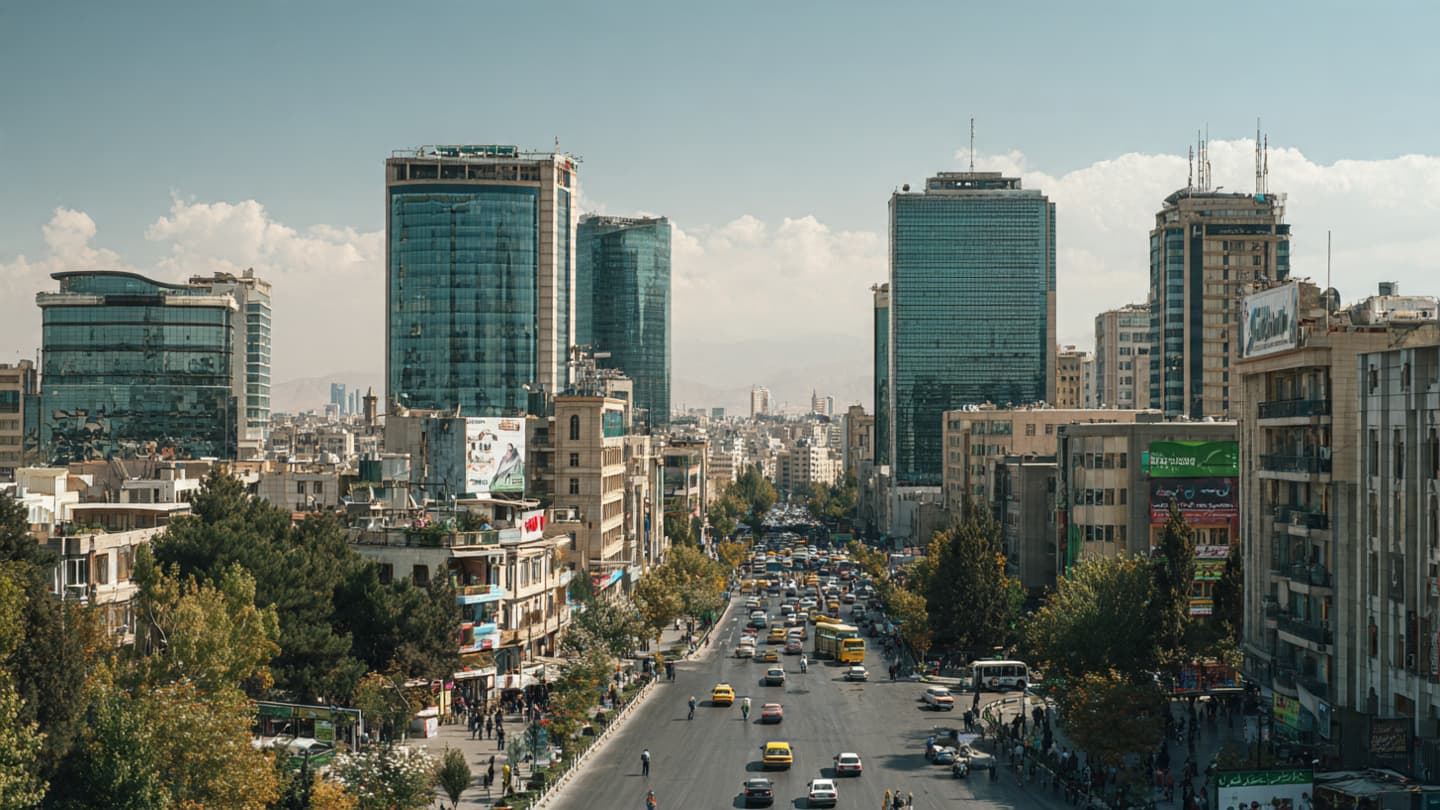
Nations often measure danger by looking outward. Military threats, regional rivalries, and geopolitical tensions attract immediate attention because they are visible and urgent. Yet history frequently shows that internal pressures can prove just as significant as challenges beyond national borders.
Iran today finds itself navigating a complex landscape shaped by economic constraints, demographic changes, and political expectations. While regional conflict remains an important concern, many analysts have increasingly focused on domestic issues that continue to influence the country's future.
Years of sanctions have affected trade, investment, and financial stability. Although Iranian authorities have implemented measures intended to strengthen resilience, economic pressures continue to affect businesses and households across the country.
Inflation and currency volatility have remained among the most frequently discussed concerns. These challenges influence purchasing power, employment opportunities, and broader public confidence in economic conditions.
At the same time, Iran possesses significant advantages, including a large population, extensive natural resources, and a strategic geographic position. These factors provide opportunities for long-term development if supported by favorable economic conditions and policy reforms.
Demographic trends also shape the national conversation. Younger generations often express expectations regarding employment, housing, and economic mobility. Meeting those expectations remains an important objective for policymakers.
Observers note that domestic stability is rarely determined by a single factor. Economic performance, governance, public services, and social confidence interact in ways that can either strengthen resilience or create additional pressure.
Despite these challenges, Iran continues to maintain functioning institutions and remains a significant regional actor. Analysts therefore caution against simplistic predictions, emphasizing that national trajectories are usually shaped by gradual developments rather than sudden outcomes.
The coming years are likely to be influenced by both external conditions and domestic policy choices. How those factors interact may play a key role in determining Iran's economic and political direction.
AI Image Disclaimer: These visual representations were created using AI technology and do not depict actual
Source Verification Check Credible sources identified:
Reuters International Monetary Fund (IMF) World Bank Carnegie Endowment for International Peace International Crisis Group
Note: This article was published on BanxChange.com and is powered by the BXE Token on the XRP Ledger. For the latest articles and news, please visit BanxChange.com