Time is often viewed as a river, flowing steadily toward the horizon, but in the bustling streets of Colombo and beyond, it seems to pool and stagnate. Sri Lanka, an island nation celebrated for its lush tea plantations and ancient heritage, now finds itself grappling with a modern paradox: it has been ranked as the third most traffic-congested country in the world. This statistic is not merely a number; it is a reflection of rapid urbanization, economic shifts, and the growing pains of a society in transition. It invites us to look beyond the gridlock and consider the human cost of standing still in a world that demands movement.
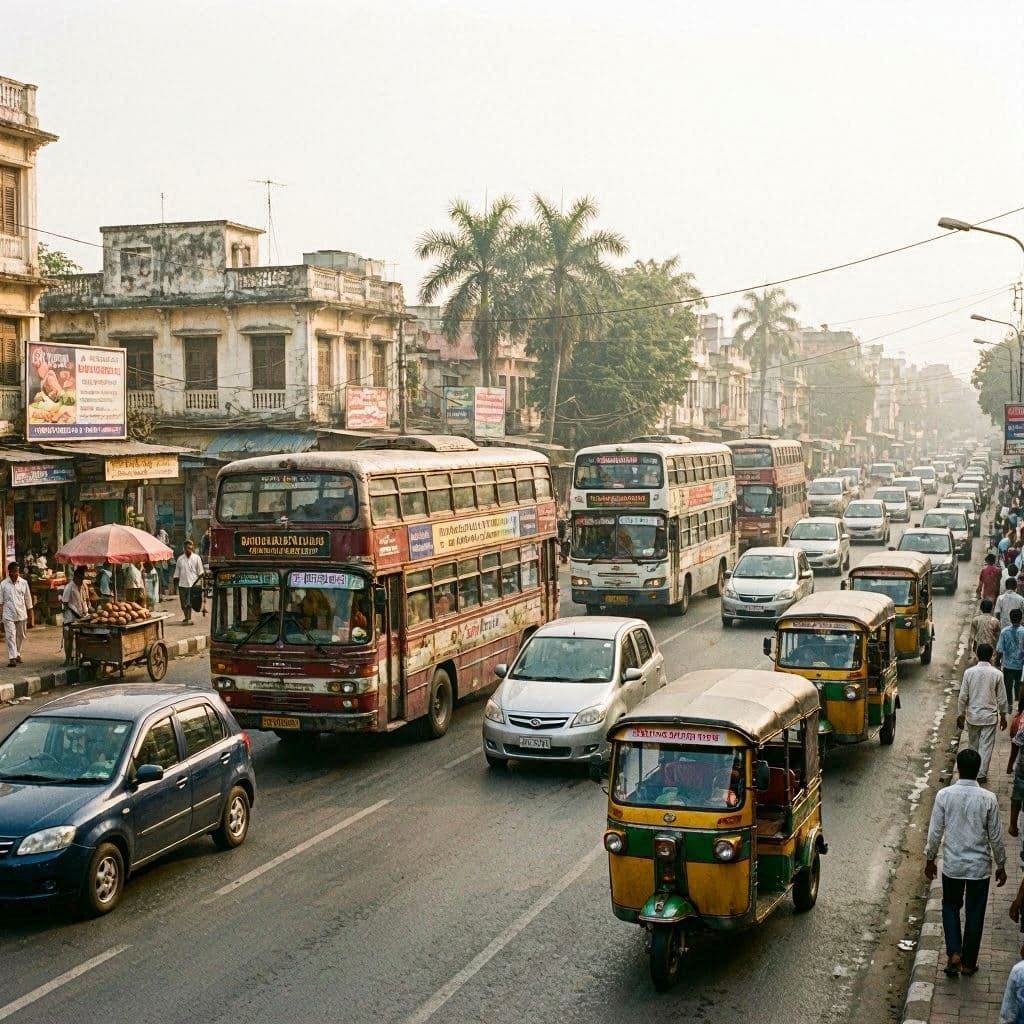
Body: The congestion is palpable, a daily reality for millions of commuters who spend hours navigating narrow roads and intersections. What was once a manageable flow of tuk-tuks and buses has swollen into a dense tapestry of vehicles, straining infrastructure that was not designed for such volume. The reasons are multifaceted, ranging from an increase in private vehicle ownership to inadequate public transport alternatives. For many, the car has become a necessity rather than a luxury, a shield against the unpredictability of other transit options.
Economic factors play a significant role in this phenomenon. In recent years, import restrictions and currency fluctuations have altered the automotive landscape, leading to a surge in demand for available vehicles before policies tightened. This created a bottleneck of sorts, where the desire for mobility outpaced the capacity of the roads. The result is a system where efficiency is sacrificed for accessibility, leaving drivers trapped in a cycle of idling engines and rising frustration.
The environmental impact of this congestion cannot be overlooked. Hours spent in traffic contribute significantly to carbon emissions, affecting air quality and public health. The haze that hangs over major cities is not just weather; it is the exhaust of a stalled economy. For a nation that prides itself on natural beauty, the irony of choking on its own progress is a bitter pill to swallow. It raises questions about sustainable development and the balance between growth and preservation.
Yet, there is a resilience in the face of this challenge. Commuters use the time to listen to radio dramas, catch up on news, or simply observe the rhythm of street life. The traffic jam, while frustrating, has become a social space, a shared experience that binds strangers in a collective pause. It is a testament to the adaptability of the human spirit, finding moments of connection even in the midst of chaos.
Government initiatives are underway to address the issue, including plans for improved public transport networks and road expansions. However, these solutions take time, and the immediate need for relief remains urgent. Experts suggest that a shift in cultural attitudes toward public transit, combined with stricter urban planning regulations, could alleviate some of the pressure. It requires a collective effort to reimagine how the nation moves.
For visitors, the traffic can be a shock, contrasting sharply with the serene images of beaches and temples. Yet, it also offers a glimpse into the vibrant, chaotic energy of modern Sri Lanka. It is a place where tradition and modernity collide, sometimes clumsily, but always with vitality. Understanding the congestion is key to understanding the current pulse of the nation.
Closing: In the end, the ranking of Sri Lanka’s traffic congestion is a call to action. It highlights the need for sustainable infrastructure and thoughtful urban planning. As the country navigates this complex challenge, the hope is that the rivers of time will begin to flow more freely, allowing both people and progress to move forward with greater ease and clarity.
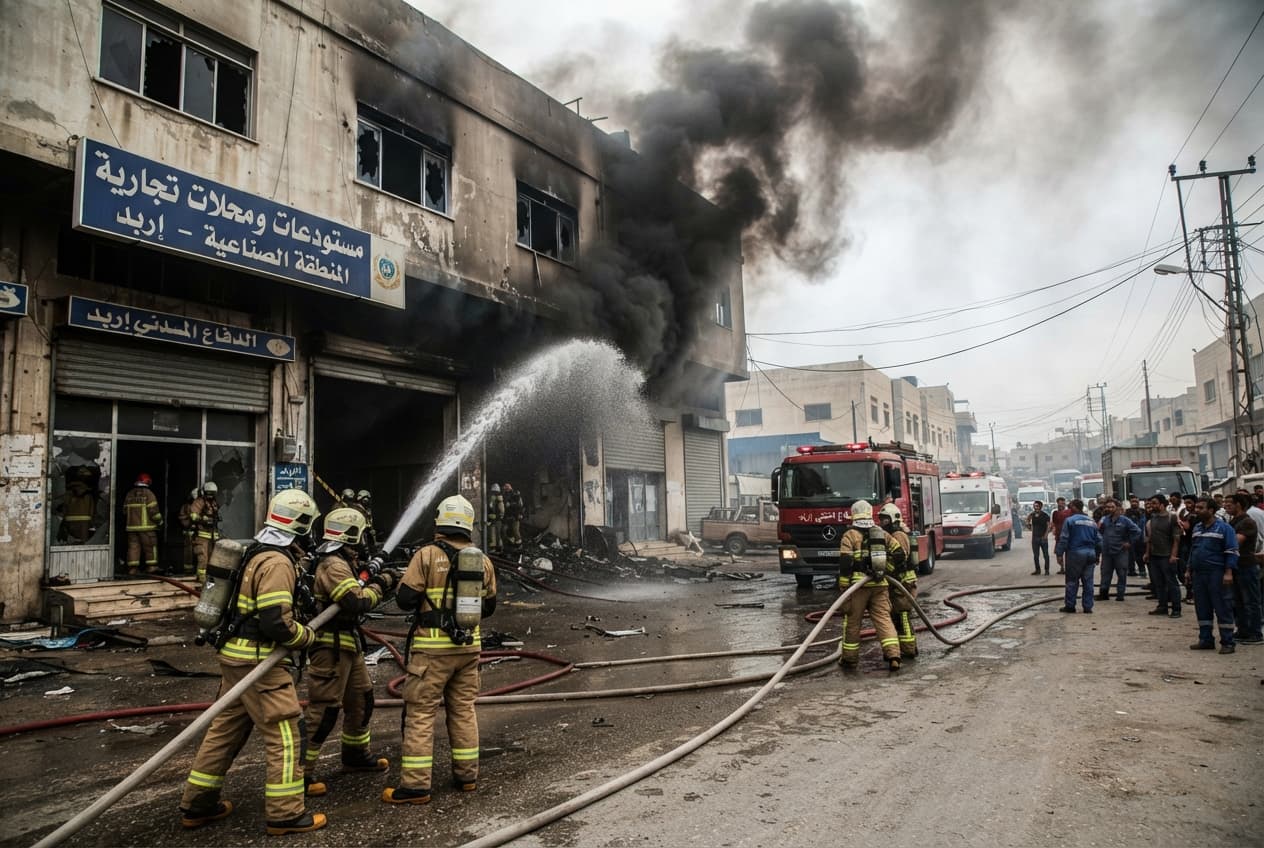
AI Image Disclaimer: Please note that any accompanying visuals for this narrative are artificially generated interpretations meant to evoke the spirit of the story, not documentary evidence.
Sources: TomTom Traffic Index The Daily Mirror (Sri Lanka) Colombo Gazette
Published by Banx Network. This article is part of the Banx decentralized media programme, powered by the BXE token on the XRP Ledger.