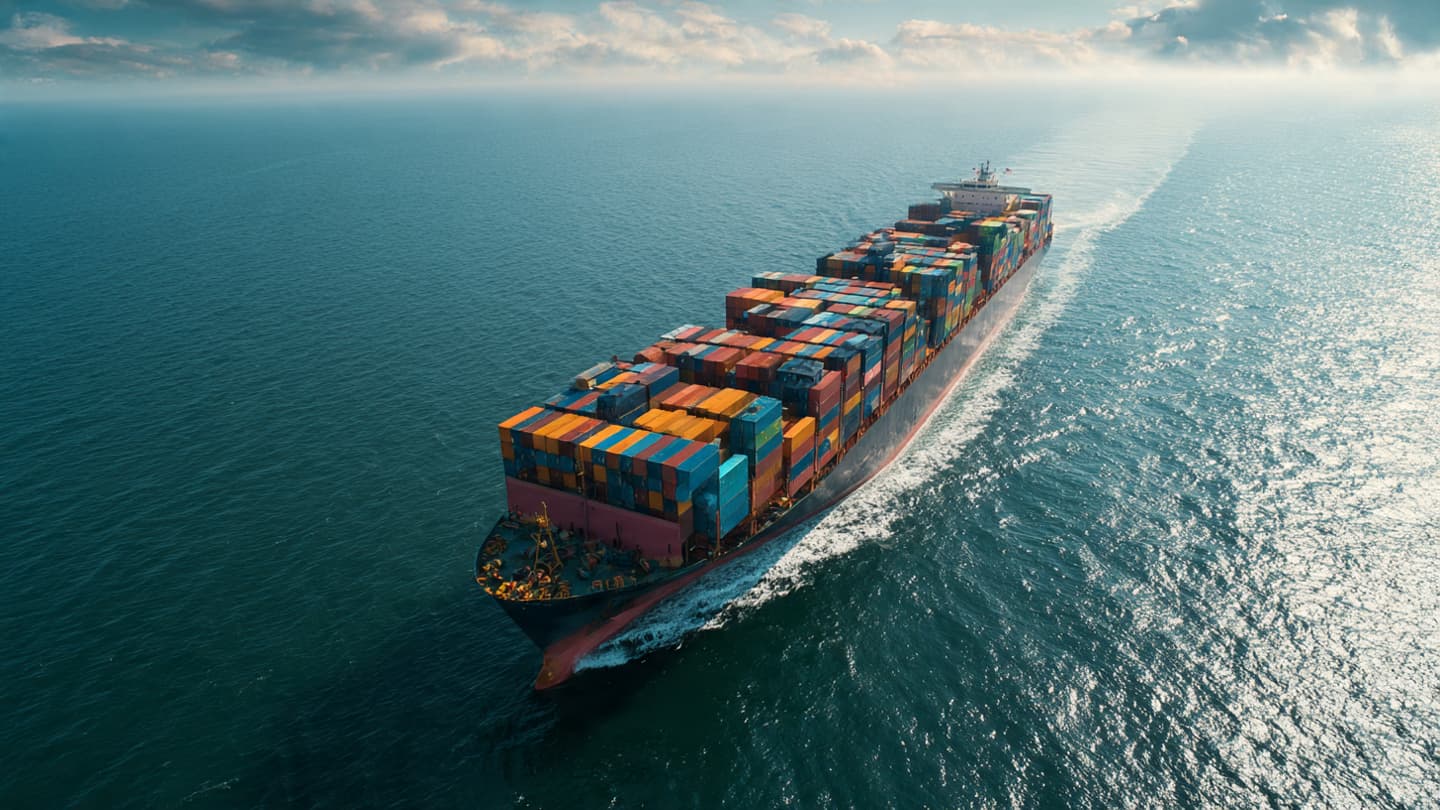
Across the world's oceans, millions of containers move quietly between continents each year. They carry everything from electronics and machinery to clothing and food products. Though often overlooked, container shipping remains one of the most important foundations of international trade. Recent industry data suggests that shipping rates have remained relatively stable even as trade volumes continue to improve.
Stable shipping costs are welcomed by businesses because predictability helps simplify planning. Companies rely on transportation budgets when managing supply chains, setting prices, and evaluating investment opportunities. Greater certainty can reduce operational risk.
Trade volumes have shown encouraging signs of growth. Increased demand for goods across multiple regions has contributed to stronger shipping activity, supporting both logistics providers and global commerce more broadly.
Shipping companies have benefited from operational improvements introduced over recent years. Investments in digital tracking systems, route optimization, and fleet management have enhanced efficiency while helping maintain service reliability.
Manufacturers rely heavily on stable logistics conditions. Consistent transportation networks ensure that raw materials, components, and finished goods arrive according to schedule. This reliability supports productivity and economic performance.
Retailers have also experienced advantages from more predictable shipping conditions. Improved supply chain visibility helps businesses manage inventory levels and respond more effectively to changing consumer demand.
Economic analysts frequently view shipping activity as a useful indicator of broader commercial trends. Healthy trade volumes often suggest continued engagement between producers, suppliers, and consumers across international markets.
Industry experts caution that global logistics remain sensitive to external factors, including weather events, geopolitical developments, and shifts in demand. Maintaining resilience therefore remains a priority for shipping companies and their customers.
Technology continues playing an increasingly important role. Advanced data analytics, automation, and real-time monitoring tools help improve efficiency while reducing the likelihood of costly disruptions.
For now, stable shipping rates and improving trade volumes provide a constructive signal for the global economy. Like well-maintained sea lanes guiding vessels safely toward their destinations, efficient logistics networks continue supporting the movement of commerce that connects nations around the world.
AI IMAGE DISCLAIMER Images in this article are AI-generated illustrations, meant for concept only.
SOURCE CHECK Reuters Bloomberg Financial Times Drewry Shipping Consultants World Trade Organization
Published by Banx Network. This article is part of the Banx decentralized media programme, powered by the BXE token on the XRP Ledger.