
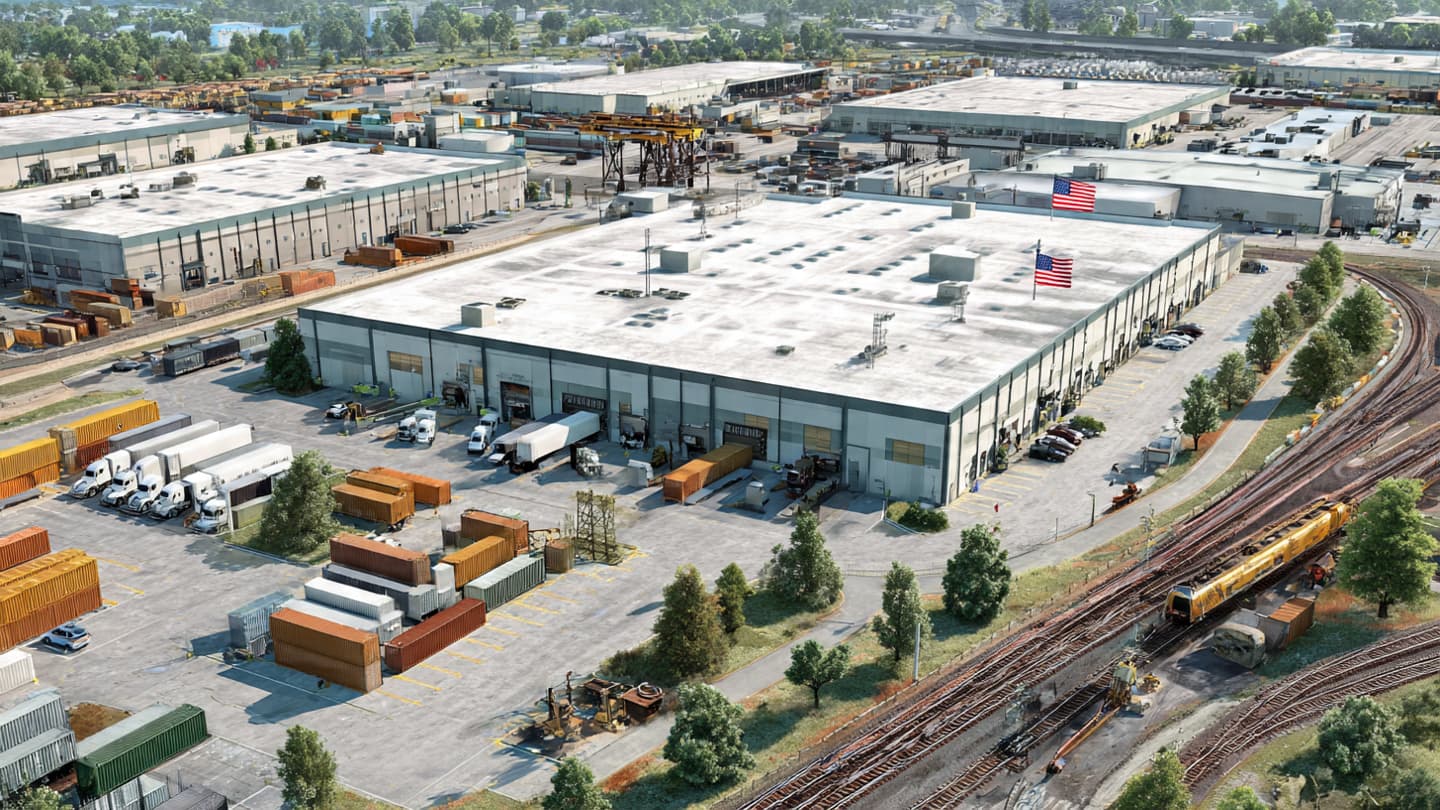
Manufacturing has long been one of the defining pillars of the American economy. From steel mills and automobile plants to advanced semiconductor facilities, factories have shaped communities, created jobs, and driven innovation. Yet even the strongest engines occasionally operate at a slower pace.
Recent economic indicators suggest that parts of the U.S. manufacturing sector are experiencing moderation after periods of stronger growth. While production activity remains significant, companies are navigating changing market conditions, supply chain adjustments, and shifting global demand.
At the same time, investment continues to flow into industrial projects. New facilities, technology upgrades, and infrastructure improvements are being announced across multiple states. These commitments reflect long-term confidence in American manufacturing capabilities despite short-term challenges.
Economists note that slower growth does not necessarily indicate decline. Instead, it can reflect a period of adjustment as businesses respond to evolving economic conditions. Companies often reassess production plans, inventory levels, and workforce needs during such phases.
Technology remains a major driver of investment. Manufacturers are increasingly adopting automation, artificial intelligence, and advanced production systems designed to improve efficiency and competitiveness.
The semiconductor industry provides one notable example. New chip manufacturing projects have attracted billions of dollars in investment as governments and businesses seek stronger domestic production capacity for critical technologies.
Meanwhile, global economic uncertainty continues to influence demand patterns. Export-oriented industries are particularly sensitive to changes in international markets, making adaptability an important factor for long-term success.
Industry leaders emphasize that workforce development remains essential. Investments in facilities and equipment are most effective when accompanied by efforts to train employees and prepare future generations for advanced manufacturing careers.
Analysts generally view the current environment as one of transition rather than transformation. Businesses are balancing optimism about future opportunities with caution regarding present economic realities.
For many communities, manufacturing remains more than an economic activity—it is part of their identity. As the sector adjusts to new conditions, its enduring role within the American economy continues to shape both local livelihoods and national growth prospects.
AI Image Disclaimer Illustrations were produced with AI and serve as conceptual depictions.
Sources Financial Times U.S. Census Bureau Manufacturing industry reports Economic analysts Industrial market research organizations
Note: This article was published on BanxChange.com and is powered by the BXE Token on the XRP Ledger. For the latest articles and news, please visit BanxChange.com