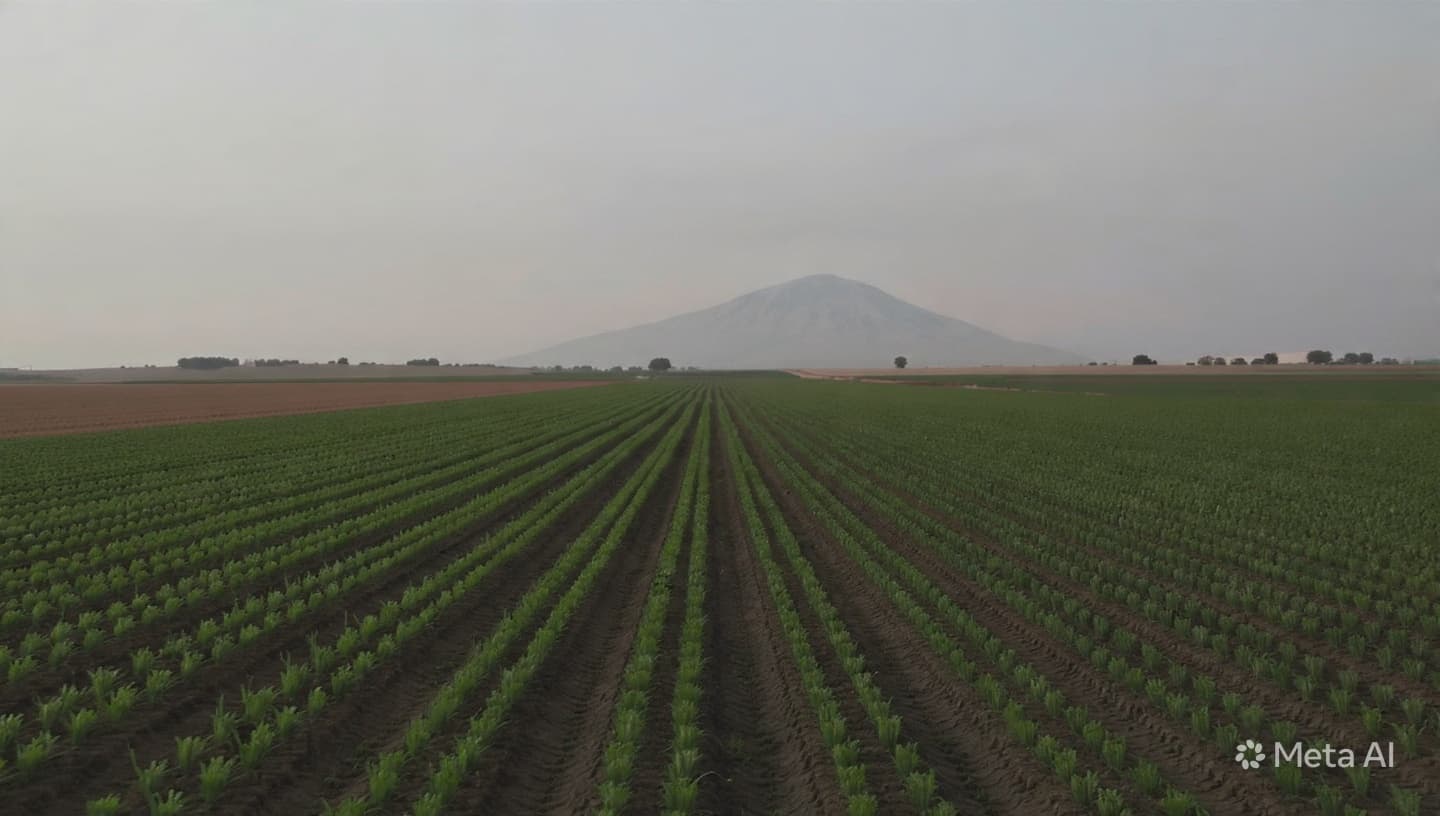
In the lush, expansive stretches of the Aguan River Valley, the earth tells a story that is as complex as it is ancient. It is a narrative of possession, of livelihoods carved out of the wilderness, and of the persistent, often violent friction that arises when claims to that earth overlap. The recent massacre in Trujillo has brought these deep-seated agrarian tensions into sharp, sorrowful relief, serving as a reminder of how quickly land disputes can escalate into profound human tragedy.
The Public Prosecutor’s Office, in its initial reflections on the event, has pointed toward the history of conflict that defines this region. It is not merely an isolated moment of aggression; it is a manifestation of decades of struggle between agricultural cooperatives, land defenders, and those who seek to control the output of these fertile plains. To look at the plantation now is to look at a point of convergence for these historical forces.
One must contemplate the reality of those who work the land in such contested spaces. For many, the fight for a plot to cultivate is synonymous with the fight for survival. It is an editorial reality that these workers operate in an environment where the law is often distant and the pressures of resource-rich industrial interests are immediate and overwhelming. The result is a fragile existence, perpetually exposed to the volatility of the conflict.
The atmosphere in Trujillo is one of wary, heavy observation. The mention of “agrarian conflict” by officials does little to soothe the immediate pain of the loss, but it does frame the event within the broader, ongoing struggle that has long haunted this part of Honduras. It is a conflict that involves not just the immediate parties, but the structural foundations of rural life and the state’s inability to mediate such deep-seated tensions.
Reflecting on the nature of this strife, one is struck by the cyclical quality of the violence. It moves through the valley like a weather pattern—sometimes quiet, sometimes devastatingly active. The tragedy is that the resolution to these disputes seems to slip further away, replaced instead by a pattern of loss that leaves communities to shoulder the weight of decisions made in distant boardrooms or government offices.
As the authorities continue their work, the challenge lies in addressing the root causes while managing the immediate crisis of safety. It is a delicate balance, one that requires not just forensic evidence and investigative rigour, but a genuine commitment to understanding the needs of the rural population. The question remains: how to turn the page on a history that has been written in such dark ink?
In the quiet of the valley, the focus on agrarian dynamics provides a necessary context for the events of the past few days. It invites a broader, more contemplative look at the value we place on land and the people who depend on it for their very existence. This is not just a matter for the courts; it is a matter of the fundamental human right to dwell and work in peace.
The Public Prosecutor’s Office has formally stated that agrarian disputes remain a focal point of their ongoing investigation. Spokespeople indicated that the history of land ownership and existing legal claims in the Trujillo region are being examined to determine their role in the attack. The government has signaled an intent to engage in a deeper assessment of the land-use issues in the Bajo Aguan, aiming to stabilize the region through a combination of security reinforcements and, potentially, long-term mediation efforts.
Published by Banx Network. This article is part of the Banx decentralized media programme, powered by the BXE token on the XRP Ledger.