
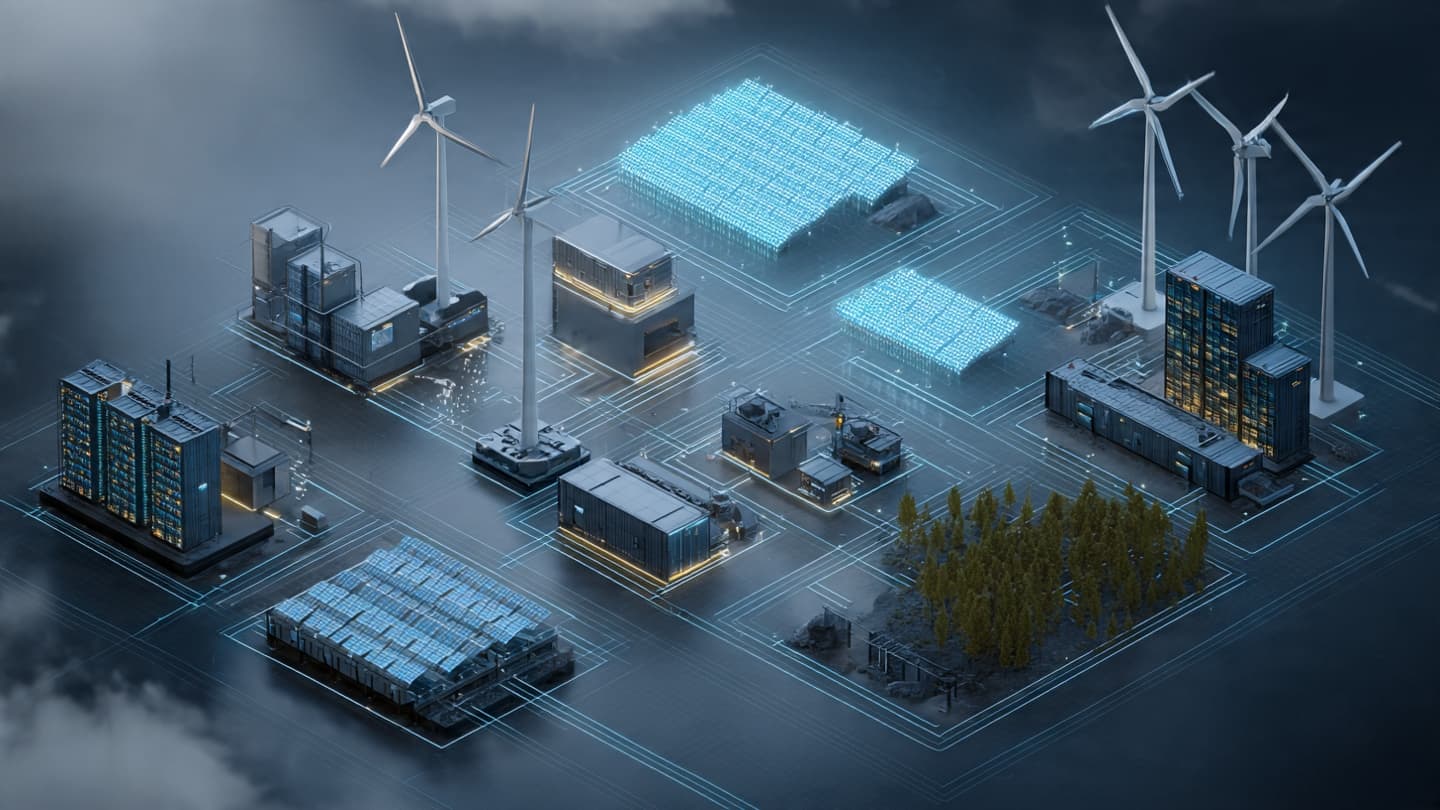
Artificial intelligence often appears weightless to the public eye. Questions are answered instantly, images generated in seconds, and digital systems respond almost effortlessly through screens and devices. Yet beneath this seemingly invisible technology lies a vast physical network consuming enormous amounts of energy every moment of every day.
As AI infrastructure expands globally, analysts and energy experts are increasingly focused on the rising electricity demands associated with data centers and advanced computing systems. The rapid growth of machine learning technologies has intensified conversations surrounding sustainability, energy production, and long-term infrastructure planning.
Modern AI systems require extraordinary computational power. Training large language models and operating advanced cloud platforms involves millions of interconnected processors running continuously inside specialized facilities. These operations generate substantial heat, requiring equally sophisticated cooling systems and stable energy supplies.
Technology companies across the United States, Europe, and Asia are investing heavily in new data center construction to support growing AI workloads. At the same time, utility providers and governments are evaluating how existing power grids can accommodate this accelerating demand.
The situation reflects a broader transformation in the global economy. Earlier industrial eras depended heavily on coal, oil, and manufacturing machinery. Today’s digital economy increasingly depends on electricity flowing through servers, semiconductors, and communication networks hidden beneath modern life.
Environmental concerns have naturally followed this expansion. Data centers consume large amounts of electricity and water, prompting calls for greater investment in renewable energy and more efficient cooling technologies. Many technology firms have announced sustainability targets aimed at reducing carbon emissions associated with AI infrastructure.
Researchers are also exploring ways to improve processor efficiency and optimize software systems to reduce energy consumption. Advances in semiconductor design may help future AI models operate more efficiently while maintaining high performance levels.
Still, balancing technological growth with environmental responsibility remains complex. Artificial intelligence continues delivering economic opportunities and scientific advances, yet the infrastructure supporting those systems carries real physical costs tied to energy production and resource management.
The discussion has therefore expanded beyond technology companies alone. Policymakers, environmental scientists, and infrastructure planners increasingly recognize AI as both a digital and industrial challenge requiring long-term coordination across multiple sectors.
As artificial intelligence becomes more deeply integrated into society, the energy systems supporting it will likely become more visible in public discussions. Behind every intelligent machine stands a quieter reality: servers humming continuously, electricity flowing steadily, and a world learning how to power its digital future responsibly.
AI Image Disclaimer: Graphics are AI-generated and intended for representation, not reality.
Sources Checked: Reuters Bloomberg CNBC International Energy Agency Financial Times
Note: This article was published on BanxChange.com and is powered by the BXE Token on the XRP Ledger. For the latest articles and news, please visit BanxChange.com