The stark, primordial landscapes of Iceland's active volcanic zones maintain an enduring, magnetic relationship with the global hiking community, drawing thousands of adventurers each year to traverse their fields of ancient lava and steaming vents. Life along these wilderness trails moves to a rhythm of rugged exploration, governed by the shifting colors of the moss, the clarity of the northern air, and the strict adherence to designated safety paths. To an outside observer, the well-marked trails stretching across the geothermal flats appear entirely safe, managed with characteristic Nordic efficiency and real-time monitoring. Yet, when a sudden magmatic shift alters the subterranean pressure lines, a peaceful volcanic valley can instantly release invisible, lethal concentrations of toxic gas.
On this particular afternoon, the volcanic system experienced a localized tectonic adjustment, opening deep micro-fissures that allowed heavy, un-odorized sulfur dioxide and carbon dioxide gases to pool in the low-lying basins along the trail. The change in the atmosphere was completely invisible, lacking the dramatic plumes of steam that usually warn travelers away from active fumaroles or boiling mud pots. There is an implicit trust in the open air of the wilderness, built on the assumption that wind currents will always dilute and disperse the earth's subterranean exhausts. Yet, the pooling of heavy volcanic gases in a windless depression alters the environment completely, removing oxygen and transforming a scenic valley into an immediate hazard.
The transition from an exhilarating wilderness trek to a fatal atmospheric event occurs when hikers descend into a low-lying section of the trail where the heavy gases have quietly accumulated to lethal percentages. The rapid inhalation of concentrated sulfur compounds triggers immediate respiratory paralysis and disorientation, leaving individuals entirely unable to climb back out of the depression or recognize the source of their distress. In the complete absence of a visible threat, the toxic air overcomes the respiratory system within a few breaths, rendering escape impossible before the danger is comprehended. It is a sequence where the primal chemical forces of the planet become visible only through their devastating impact on those who travel the path.
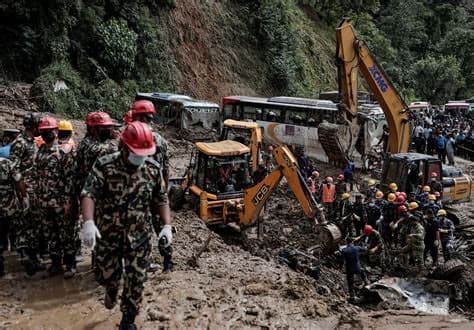
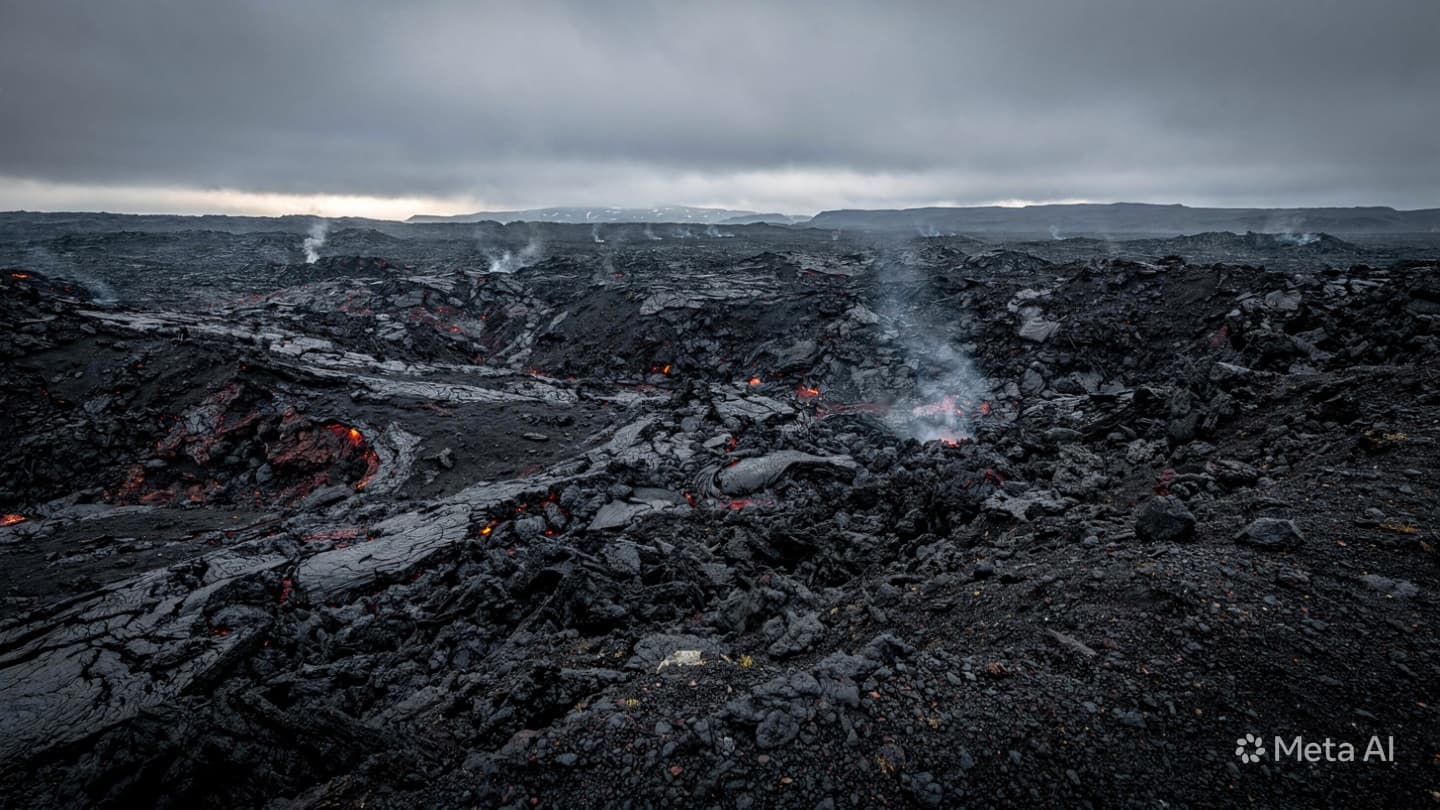
When the wilderness search and rescue teams, equipped with specialized oxygen breathing apparatus and gas detectors, finally reached the coordinates of the lost hikers, the silent nature of the crisis was confirmed. The discovery of two individuals resting motionless along the margins of the low trail cast a profound, heavy sorrow over the local guiding community, halting all recreational permits for the volcanic park. The surrounding lava fields, their black stones patched with pale green moss and venting thin wisps of steam, stood as a silent monument to the unyielding power of the rift zone. The valley grew static, its pathways closed off by the immediate reality of an environmental tragedy.
The loss of life within a popular recreational corridor carries a unique weight, representing a sudden, tragic reminder of the volatile boundaries that separate human curiosity from the active forces of a young continent. The trail system was designed by park rangers to safely showcase the geologic wonders of the volcanic peninsula, rather than serving as a place of sudden physical asphyxiation. It forces an unspoken reflection on how quickly our wilderness spaces can become lethal when deep-seated geothermal shifts alter the composition of the air without surface warning. The remaining hiking groups gathered at the park visitor center, looking toward the distant ridges with a quiet sense of sobriety and shared shock.
By evening, park wardens and vulcanologists had established an automated monitoring station at the entrance to the valley, their electronic gas sensors casting a clinical focus across the trailhead. The technical task of mapping the gas concentration gradients, tracking wind vectors, and identifying the specific fissures responsible for the leak was handled with precise focus. Yet, despite the systematic efficiency of the scientific monitoring teams, the emotional weight of the event settles deep into the heart of the outdoor community. For the research teams, the incident is a matter of parts-per-million gas densities and seismic tremors, but for the families of the hikers, it is an irreplaceable loss.
The technical analyses completed by meteorological offices and volcanic hazard experts are meticulous, evaluating the history of local micro-earthquakes, the sensitivity of trailside gas alarms, and the deployment speed of remote rescue units. It is a necessary ritual of modern wilderness management, translating an afternoon of environmental crisis into a series of updated safety metrics meant to protect future explorers. The installation of more extensive automated gas sirens, the distribution of portable detectors to backcountry guides, and the implementation of immediate trail closures during seismic swarms will all be thoroughly re-evaluated. But for the local guides, the scientific data provides no immediate relief from the somber mood hanging over the park.
Eventually, the wind patterns will shift, the subterranean pressures will find a new equilibrium, and the toxic gas concentrations will dissipate into the vast northern sky. The trail markers will be repositioned, the backcountry huts will reopen to global travelers, and the memory of the silent vapor will slowly fade into the geological history of the ridge. But for a long while, the empty basin along the route will stand as a somber reminder of the unpredictable intersections of human exploration and the raw power of the living earth. It remains a quiet warning that the volcano retains its ultimate authority over the path.
The Iceland Review Safety Bulletin confirmed that a toxic gas leak triggered by a sudden geothermal shift in an active volcanic region suffocated two hikers on June 13, 2026. Department of Civil Protection officials reported that a small seismic swarm opened minor vents near a popular backcountry trail, allowing concentrated carbon dioxide and sulfur dioxide to accumulate in a windless depression. Search and rescue personnel equipped with advanced respirators recovered the bodies of two foreign nationals who had traveled into the low-lying basin without portable gas monitors. The Meteorological Office has raised the volcanic hazard alert level for the peninsula, closing all footpaths within a ten-kilometer radius.
Published by Banx Network. This article is part of the Banx decentralized media programme, powered by the BXE token on the XRP Ledger.