
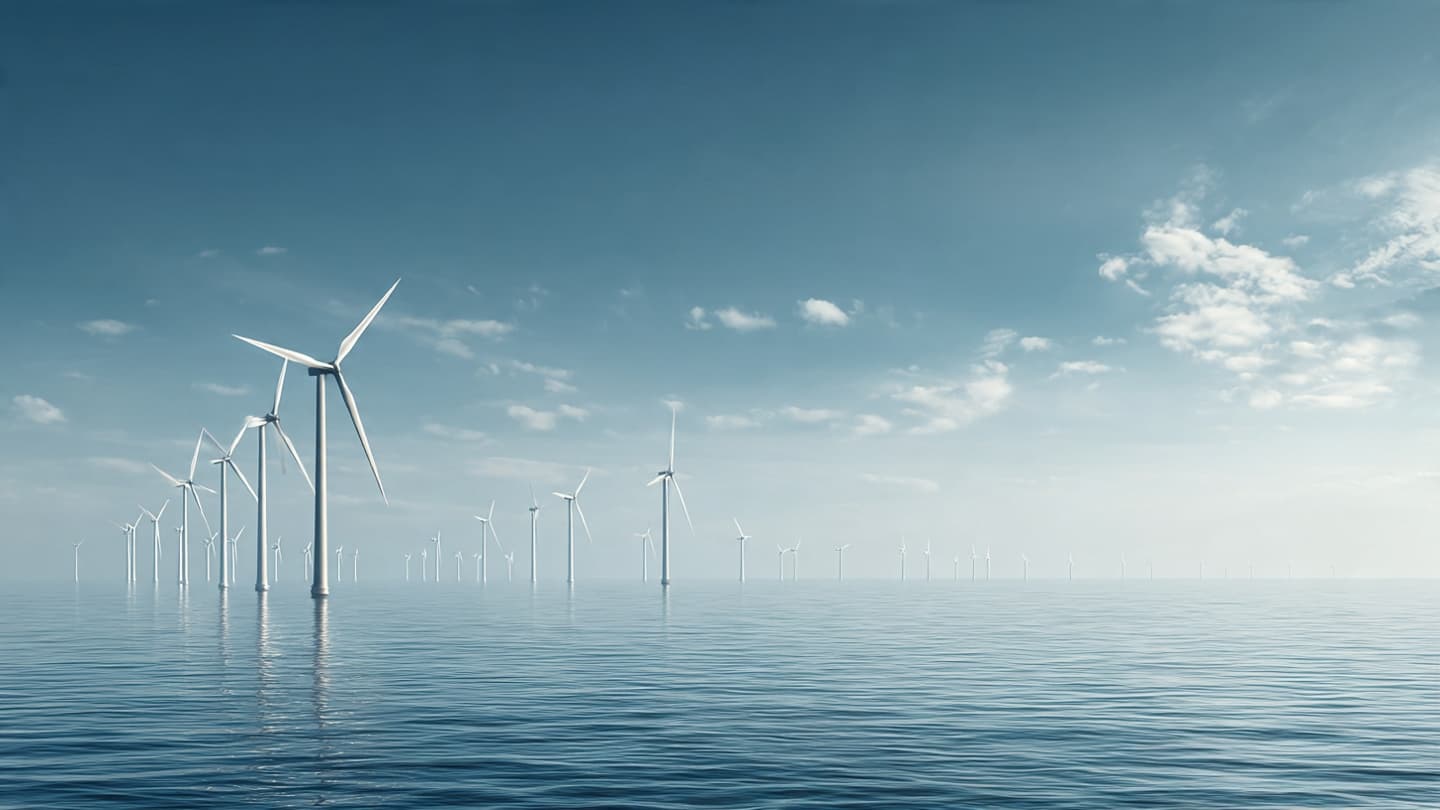
The sea has long been a source of movement and possibility. Ships have crossed its waters carrying commerce and culture, while coastal communities have built their lives around its rhythms. Today, another opportunity is emerging offshore—not in the form of trade routes, but through the steady force of the wind. France is expanding its offshore wind energy projects as part of broader efforts to strengthen renewable power generation and support long-term energy transformation.
Offshore wind farms capture energy from strong and consistent winds found over coastal waters. Large turbines convert this natural resource into electricity that can be transmitted to homes, businesses, and industries. Compared with many land-based locations, offshore environments often provide higher wind speeds and greater generation potential.
France has increasingly focused on renewable energy diversification. While the country already possesses significant electricity generation capacity, policymakers and industry leaders view offshore wind as an important complement within a balanced energy system. Expanding renewable resources can support energy security while reducing dependence on fossil fuels.
Large-scale offshore projects require extensive planning and engineering. Developers must assess environmental conditions, seabed characteristics, transmission infrastructure, and ecological considerations before construction begins. Such preparations help ensure projects operate efficiently while minimizing environmental impacts.
The economic benefits of offshore wind development extend beyond electricity generation. Construction activities create employment opportunities across engineering, manufacturing, transportation, and maintenance sectors. Coastal regions may also experience increased investment linked to renewable energy infrastructure.
Technological advancements continue improving the efficiency of offshore wind systems. Modern turbines are larger and more productive than earlier generations, enabling greater electricity output from fewer installations. Innovations in floating turbine technology are also expanding possibilities for deeper offshore locations.
Environmental experts emphasize the importance of careful planning and monitoring. Marine ecosystems, fisheries, and coastal environments require consideration throughout project development and operation. Ongoing research helps identify best practices that support both renewable energy goals and environmental stewardship.
European countries have become global leaders in offshore wind deployment, demonstrating how large-scale renewable projects can contribute to national energy strategies. France’s expanding investments reflect a broader regional commitment to cleaner and more sustainable energy systems.
Energy analysts note that demand for electricity is expected to grow as industries adopt new technologies and transportation systems become increasingly electrified. Expanding renewable generation capacity may therefore play an important role in meeting future energy requirements.
The turbines rising beyond France’s coastline symbolize more than infrastructure. They represent an effort to harness natural forces responsibly and transform them into lasting sources of power. As they turn with the ocean winds, they illustrate how innovation and environmental ambition can move in the same direction.
AI Image Disclaimer: Images in this article are AI-generated illustrations, meant for concept only.
Source Check Credible sources identified:
Reuters Bloomberg International Energy Agency (IEA) Financial Times Euronews
Note: This article was published on BanxChange.com and is powered by the BXE Token on the XRP Ledger. For the latest articles and news, please visit BanxChange.com