
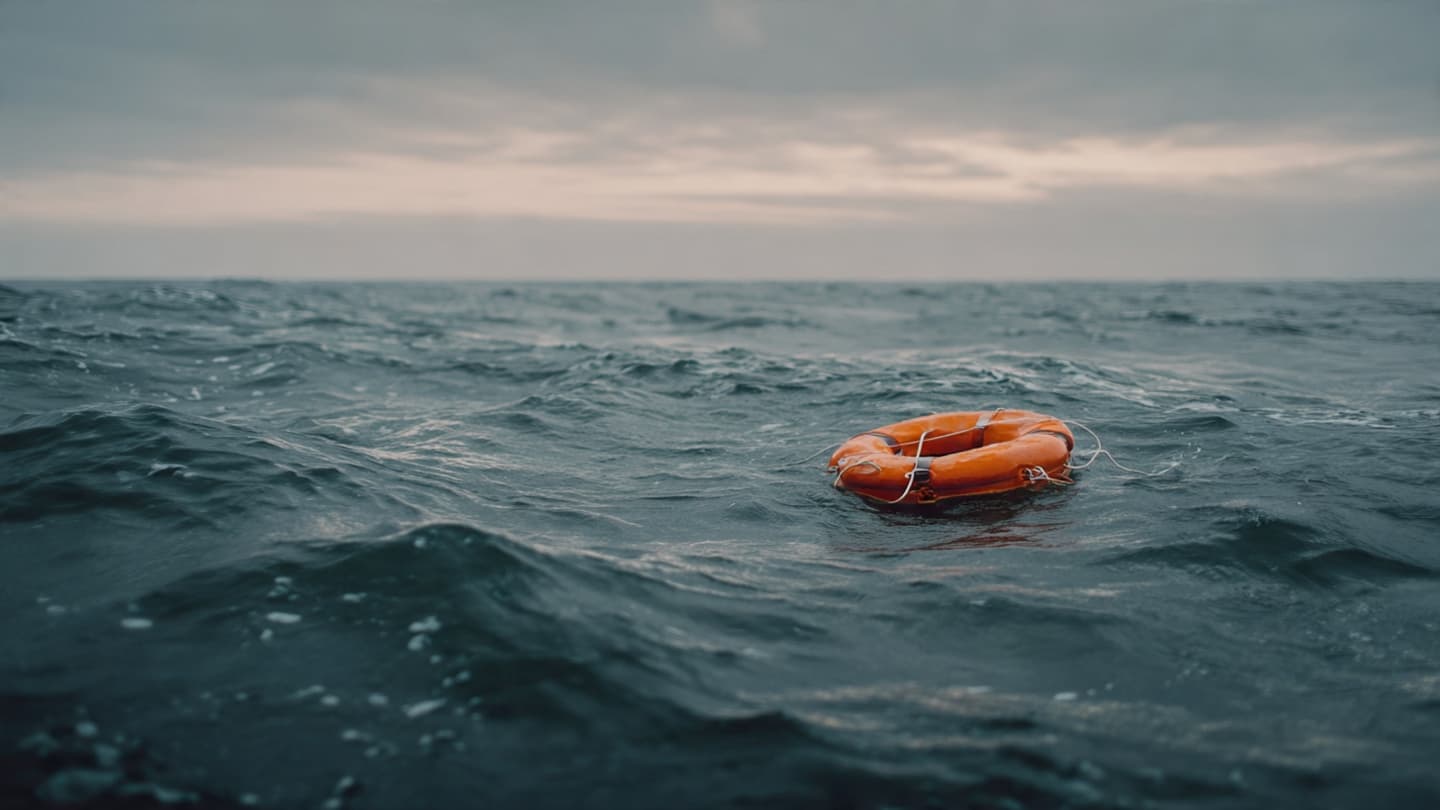
Travel is often sold as an escape, a journey into the unknown that promises wonder and rejuvenation. We pack our bags with anticipation, seeking new horizons and memories that will last a lifetime. But beneath the glossy brochures and social media posts lies a fragile reality. The infrastructure of leisure—boats, buses, hotels—is built on trust, a trust that safety protocols are followed and that risks are managed. When that trust is broken, the consequences can be devastating. The recent tragedy involving a tourist speedboat, which claimed fifteen lives, serves as a somber reminder of the vulnerabilities inherent in the global tourism industry. It is a moment to pause, reflect, and question how we balance the desire for adventure with the imperative of safety.
The incident, which occurred in a popular tourist destination, highlights the complexities of regulating leisure activities in diverse legal and environmental contexts. Speedboats, while offering thrilling experiences, operate in dynamic and often unpredictable waters. Factors such as weather conditions, vessel maintenance, and operator expertise play critical roles in ensuring passenger safety. In this case, preliminary reports suggest that a combination of mechanical failure and human error may have contributed to the capsizing. Yet, these technical details only tell part of the story. They do not capture the grief of families left behind or the shock felt by communities that rely on tourism for their livelihoods.
For the families of the victims, the loss is immeasurable. These were individuals who set out to enjoy life, only to have it cut short in an instant. Their stories remind us that behind every statistic is a human being with dreams, relationships, and a future that will now remain unfulfilled. The global nature of modern tourism means that these tragedies resonate across borders, affecting people from various nations. It underscores the shared vulnerability of travelers, who place their lives in the hands of strangers in foreign lands.
The tourism industry itself faces a reckoning. Accidents like this can have long-lasting impacts on destination reputations, leading to declines in visitor numbers and economic hardship for local businesses. Operators are forced to review their safety standards, often under intense public and regulatory scrutiny. While many companies prioritize safety, the pressure to cut costs and maximize profits can sometimes lead to compromises. This incident serves as a catalyst for broader discussions about accountability and regulation in the sector. It raises questions about who is responsible for ensuring that safety measures are not just on paper, but in practice.
Governments and international bodies also have a role to play. Harmonizing safety standards across different jurisdictions can be challenging, but it is essential for protecting travelers. Initiatives to improve training for operators, enforce regular vessel inspections, and provide clear information to tourists are crucial steps forward. Collaboration between public and private sectors is key to creating a safer environment for everyone involved. It requires a commitment to transparency and a willingness to learn from past mistakes.
Moreover, the incident highlights the importance of traveler awareness. Tourists are often unaware of the risks associated with certain activities or the varying safety standards in different countries. Education and information dissemination can empower travelers to make informed choices. Knowing what questions to ask, what certifications to look for, and how to assess risk can make a significant difference. It is about shifting from passive consumption to active engagement with safety.
As we mourn the lives lost, let us also commit to change. Let us advocate for stricter regulations, better enforcement, and a culture of safety that prioritizes human life over profit. Let us support destinations and operators that demonstrate a genuine commitment to responsible tourism. The goal is not to discourage travel, but to make it safer and more sustainable for all.
In the end, the story of this tragedy is a call to action. It reminds us that while travel opens our minds, it also requires us to be vigilant. By working together, we can ensure that the thrill of exploration does not come at the cost of safety. We can build a tourism industry that respects both the joy of discovery and the sanctity of life.
AI Image Disclaimer: Visuals are created with AI tools and are not real photographs.
Sources: ABC News Reuters CNN Financial Times The New York Times
Note: This article was published on BanxChange.com and is powered by the BXE Token on the XRP Ledger. For the latest articles and news, please visit BanxChange.com