
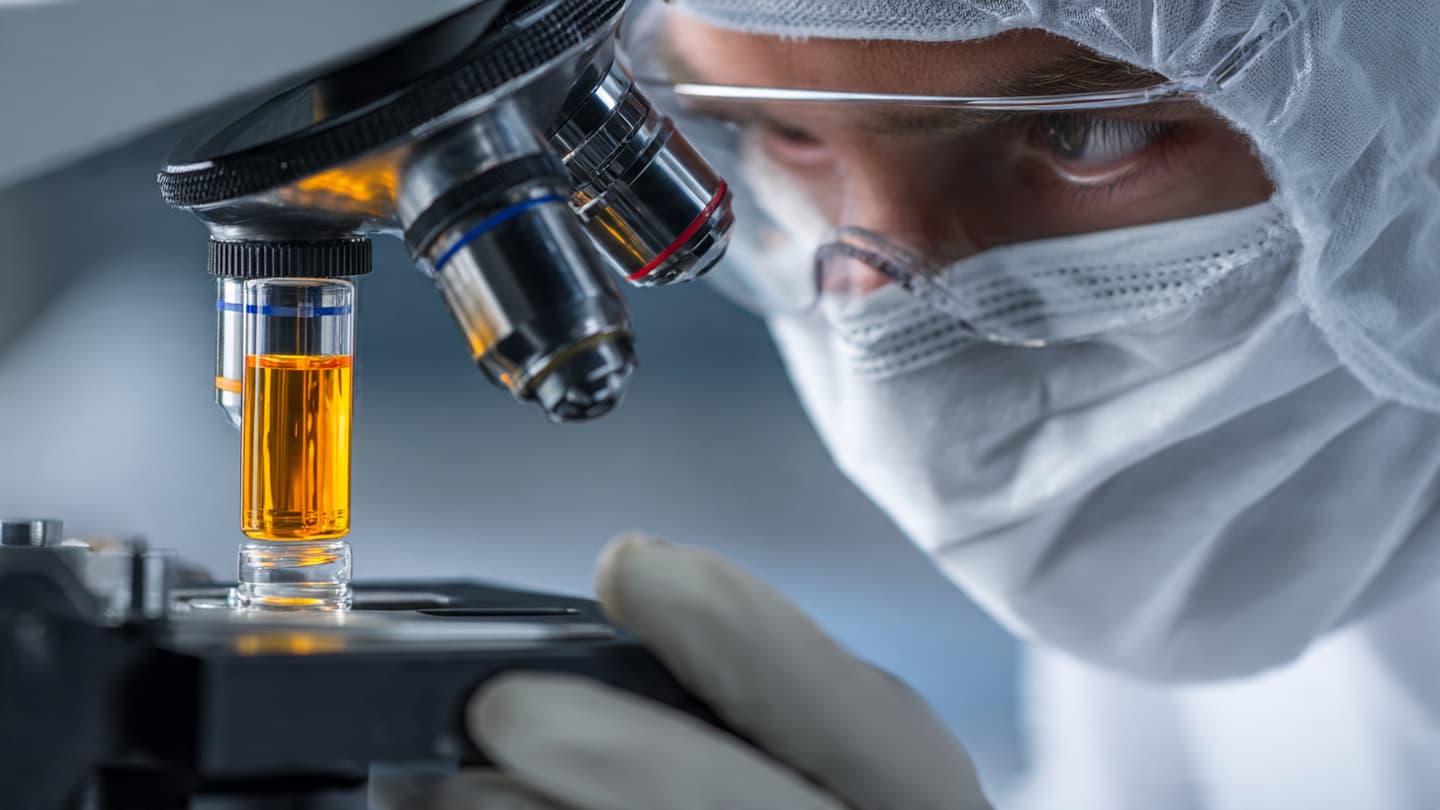
In the sterile, high-tech corridors of the Center for Genetic Engineering and Biotechnology (CIGB) in Havana, a quiet revolution is taking place at the microscopic level. It is a work of repair, not of the mechanical kind, but of the biological. In May 2026, Cuba is marking a decade of pioneering success in "Regenerative Medicine," using autologous stem cells to treat chronic conditions ranging from peripheral arterial disease to complex bone fractures. Here, the nation’s renowned healthcare system is pivoting toward the molecular, proving that sophisticated biotech can be delivered as a public good.
The expansion of stem cell clinical applications in early 2026 is a story of profound scientific and social foresight. It is a recognition that as the population ages, the tools of traditional surgery must be augmented by the power of cellular regeneration. This shift is felt in the atmosphere of the provincial hospitals, where specialized "Regenerative Units" are now standard. It is a narrative of resilience, ensuring that even in a resource-constrained environment, the most advanced medical horizons remain accessible to every citizen.
To observe a hematologist preparing a patient’s own cells for reinjection is to witness a moment of deep, bio-ethical commitment. There is no risk of rejection, as the body is essentially being taught to heal itself using its own raw materials. There is a specific music to this endeavor—the rhythmic hum of the centrifuges and the quiet, focused precision of the technicians working under laminar flow hoods. It is a work of atmospheric healing, where the goal is to replace invasive procedures with the subtle, intelligent whispers of the cell.
The importance of this regenerative sector transcends the mere treatment of disease; it is a vital pillar of Cuba’s "Medical Sovereignty." By developing its own protocols and specialized equipment, the island has bypassed the high costs and export restrictions of the global pharmaceutical market. This collaboration between the Ministry of Public Health (MINSAP), academic researchers, and international partners from the Global South is a silent form of bridge-building, creating a more equitable model for 21st-century medicine. Havana is positioning itself as the "Regenerative Capital of the South."
As the clinical trials for new applications—including cardiac repair and neuro-regeneration—expand, the potential for "Medical Tourism" provides a necessary source of revenue to sustain the broader healthcare system. Patients from across Latin America and the Caribbean are traveling to the island to receive treatments that are often unavailable or unaffordable elsewhere. It is a story of adaptation, where the Cuban scientific community has turned its focus toward the building blocks of life to secure the health of the nation. The laboratory remains a place of intense hope, its discoveries now flowing back into the veins of the people.
The atmosphere of the medical universities is one of vibrant, academic ambition. A new generation of "molecular clinicians" is being trained to look beyond the symptoms to the cellular environment, ensuring that the legacy of Cuban medicine remains at the global cutting edge. The campus has become a space where the pursuit of social equity is the primary driver of the new science, a place where the next chapter of the Cuban story is being written in the logic of the renewed tissue.
There is a reflective quality to the sight of an elderly patient walking comfortably after a stem-cell procedure that saved their limb from amputation. It invites a meditation on the power of knowledge to overcome material scarcity and the way the smallest things can provide the greatest relief. In Cuba, the regenerative revolution of 2026 is a testament to the enduring belief that health is not a commodity, but a human right.
Official statistics from MINSAP in May 2026 indicate that over 30,000 Cubans have now received regenerative treatments, with a success rate of over 85% in preventing amputations due to diabetic foot ulcers. The program has been expanded to all 15 provinces, with a focus on training rural doctors in the latest cell-processing techniques. Officials note that the cost-savings from avoiding long-term hospitalizations and complex surgeries have allowed for further investment in the nation’s primary care network.
Note: This article was published on BanxChange.com and is powered by the BXE Token on the XRP Ledger. For the latest articles and news, please visit BanxChange.com