
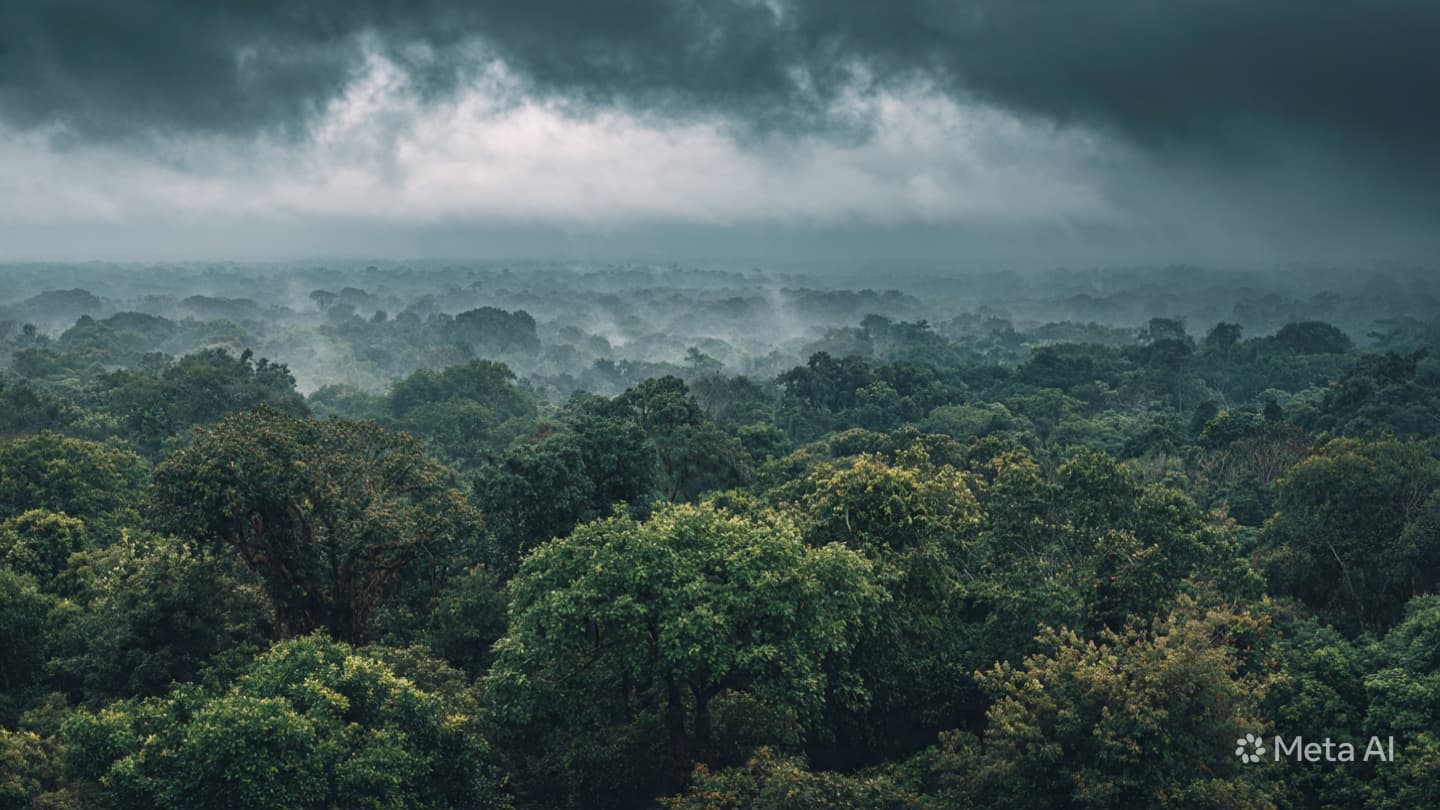
In the vast, verdant expanse of the Amazonian province of Putumayo, the sky is often a canvas of serene, untamed beauty. When a military cargo plane—a symbol of the state’s reach into the deepest corners of the country—descends in a sudden, catastrophic moment, the loss is not merely physical; it is a profound, national rupture. Sixty-six lives were extinguished in the quiet of the jungle, leaving behind a silence that is felt across every valley and city in Colombia, a collective sigh of mourning for those who served.
The tragedy of the Hercules C-130 is a stark reminder of the inherent risks faced by those who operate at the frontiers of the nation. These missions, essential for the maintenance of security and the connection of remote outposts, are fraught with the unpredictability of both machine and environment. As the wreckage sits amidst the dense foliage of the jungle floor, the scale of the loss—dozens of soldiers, police, and crew—creates an immense void in the heart of the military and the families who now grapple with the sudden, cruel finality of the event.
To reflect on such a disaster is to contemplate the fragility of our connections in a country defined by its complex, challenging geography. The flight was a thread tying the outpost to the center, a link that is vital for the stability of the entire region. The loss of the plane is more than a mechanical failure; it is a physical severance that leaves those left behind to wonder at the precarious nature of their own commitments and the heavy cost of the duty they carry.
In the aftermath, the image of the jungle—once a place of operation and transit—has been transformed into a site of somber remembrance. The rescue teams, the local communities who rushed to the site, and the nation at large are united in a profound, shared grief. There is a dignity in the way the country has turned to support the survivors and honor the departed, a collective acknowledgment that the lives lost were central to the story of Colombia’s ongoing struggle for peace and order.
Looking toward the future, the conversation will naturally turn to the necessity of modernization and the rigors of maintenance, the very real challenges of keeping a military force functional in such a demanding environment. Yet, today, the focus remains on the individuals themselves—the faces behind the uniforms, the names that will now be spoken with the weight of memory. It is a moment for the nation to pause, to breathe, and to honor the service of those who were lost in the line of duty.
As the jungle continues its slow, indifferent growth around the site, the legacy of these sixty-six lives will endure in the memories of their comrades and the hearts of their families. Their sacrifice is a testament to the endurance of the human spirit in the face of the most daunting of tasks. In the quiet of the Amazon, their memory remains a steady, guiding light, a call to persevere in the search for a future where such tragedies are a fading memory, and where the sky is once again a place of safe and hopeful passage.
The military transport plane, a C-130 Hercules, crashed shortly after takeoff in Puerto Leguizamo, Putumayo, resulting in at least 66 deaths among the 128 personnel on board. The aircraft was carrying members of the National Army, Air Force, and National Police to an Amazonian outpost. While dozens of survivors were rescued and evacuated to hospitals in larger cities, the military confirmed the high death toll following a large-scale emergency response by local residents and regional units. President Gustavo Petro has ordered an investigation into the cause of the crash, while the defense ministry has declared a period of national mourning.
Note: This article was published on BanxChange.com and is powered by the BXE Token on the XRP Ledger. For the latest articles and news, please visit BanxChange.com