
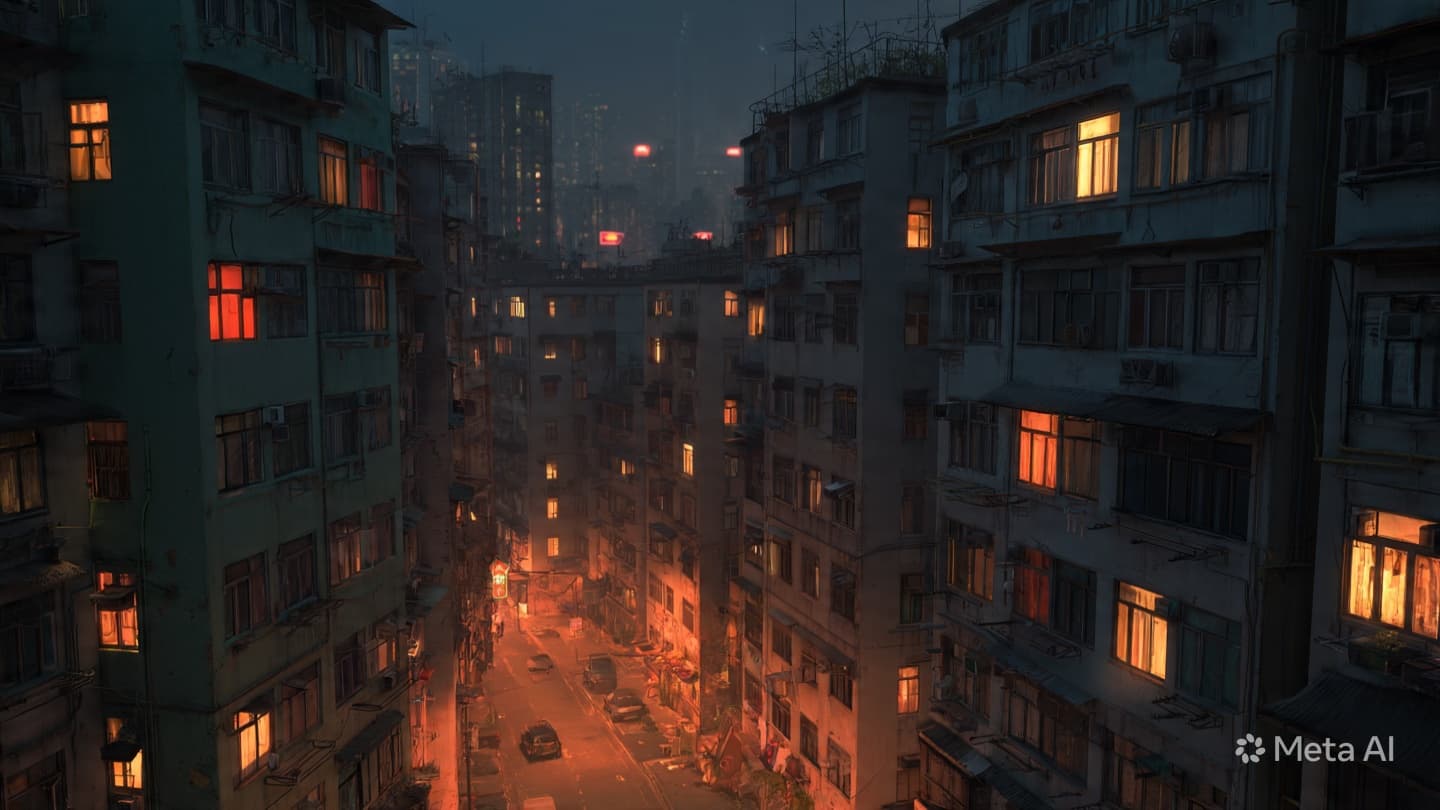
A home in Kowloon, amidst the dense, interconnected verticality of the neighborhood, is a sanctuary—a private space carved out of the intensity of the city. When the tranquility of a residential unit is shattered by the sudden, invasive heat of a fire, the disruption is not just a personal tragedy but a profound rupture in the collective sense of safety. It is a loss that echoes through the corridors of the building, turning the familiar comfort of the home into a site of stark, somber reality.
The arrival of a fire in such a high-density environment arrives without invitation, consuming the ordinary markers of a life and leaving behind the stark evidence of soot and shadow. The speed at which normalcy transitions into crisis is a sobering reminder of how delicate our domestic arrangements truly are. For those who watch the event unfold from the neighboring units, it is a moment of intense empathy, a realization that the barrier between safety and tragedy is often thinner than we dare to admit.
Emergency responders, arriving with an urgency that cuts through the night, serve as the final line of defense. Their work is a solemn, high-stakes endeavor, performed under the watchful eyes of the community. As they navigate the complexities of the building to contain the flames, their presence provides a measure of stability, a focused light against the engulfing dark that defines the immediate terror of the event.
The loss of one life is a tragedy that reverberates far beyond the individual unit. It touches the lives of the neighbors, the community, and the broader city, creating a shared space of mourning and reflection. In the days that follow, the building becomes a point of somber attention, a place where people pause to acknowledge the loss and to consider the inherent, often invisible, risks that accompany our shared domestic existence in the city.
As the investigation into the fire begins, the process is one of patient, methodical inquiry. It is not merely about finding a cause, but about honoring the reality of what occurred and ensuring that such sorrow is not repeated. The community, bound by its resilience and empathy, gathers itself, offering support to those left behind and finding ways to navigate the difficult, uncertain road of grieving together.
The apartment unit, eventually, may be repaired, but the memory of the night remains etched into the history of the building. It serves as a permanent, silent reminder of the importance of vigilance and the deep, abiding need to look after our own and one another. In the quiet aftermath, Kowloon reflects—not with the noise of analysis, but with the solemn, considered silence of a community that understands the true cost of tragedy.
We move forward, carrying the memory of the lost as a quiet companion. The tragedy forces us to re-evaluate the sanctity of our own homes and to appreciate, with renewed vigor, the safety of the hearth. It is a collective process of remembrance and realization, ensuring that the legacy of the event is one of greater care and a more profound understanding of the fragility that underpins every home in our dense, vibrant urban environment.
Authorities confirmed that a fire occurred in a residential apartment in Kowloon. Emergency crews attended the scene, but despite their efforts, one occupant was confirmed dead. A thorough investigation by the fire services and local police is underway to establish the cause of the blaze. The community has expressed deep condolences to the family of the deceased, and officials are providing support to affected residents.
Note: This article was published on BanxChange.com and is powered by the BXE Token on the XRP Ledger. For the latest articles and news, please visit BanxChange.com