
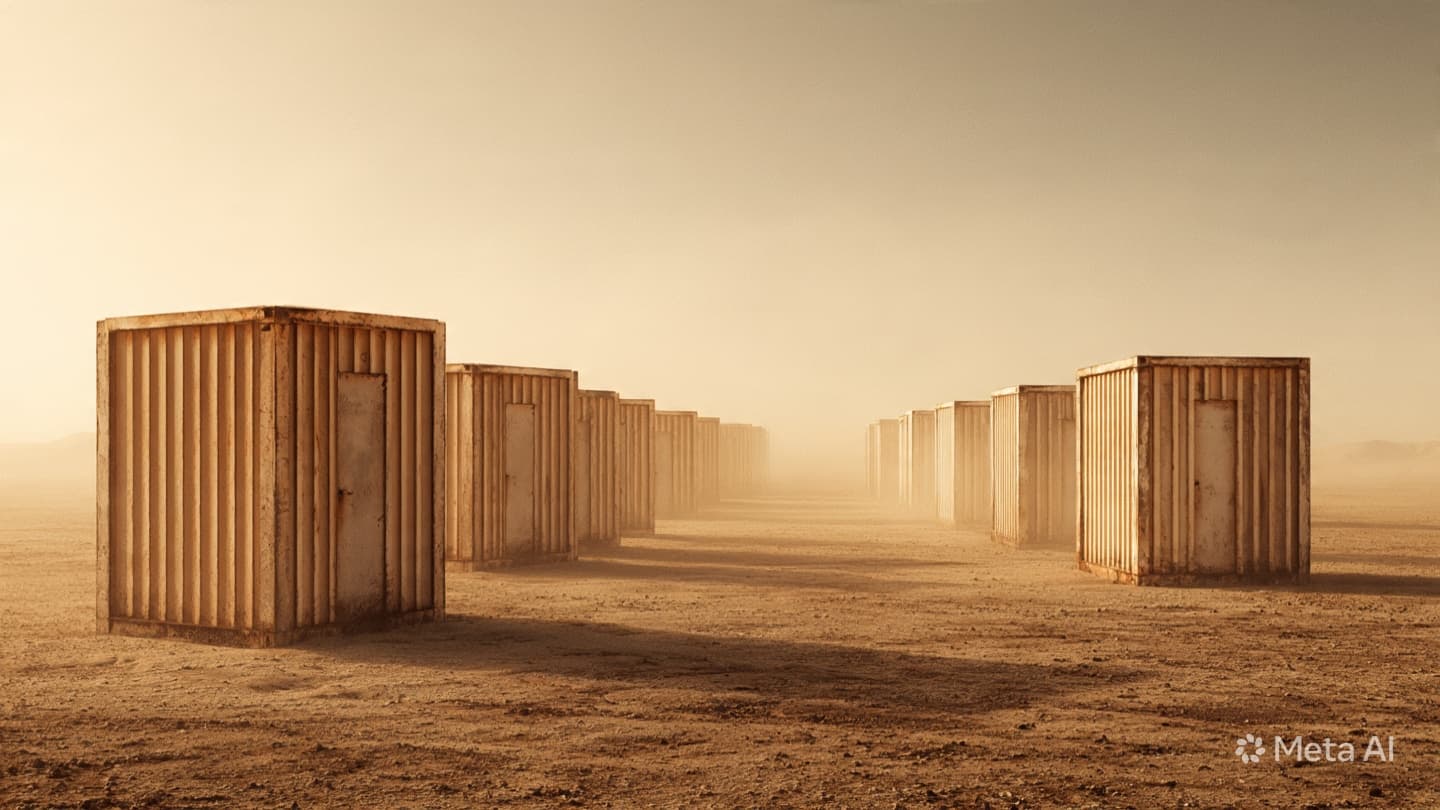
There is a specific, heavy stillness that hangs over the administrative landscape of Asmara, a city where history feels preserved in amber and modern information is tightly rationed. Beyond the palm-lined avenues of the capital, however, lies an unmapped geography of low-slung concrete compounds and subterranean complexes that remain entirely invisible to the casual observer. For decades, international human rights monitors have attempted to peer into this shadowy network, where the state maintains an absolute and unyielding monopoly over the physical freedom of its citizens.
To enter into the judicial system of this isolated state is to step out of the realm of written statutes and into a twilight of bureaucratic discretion, where individuals are detained without formal charges or legal representation. The criteria for confinement are fluid, catching draft evaders, political dissenters, and those simply suspected of harboring an intention to leave the country without official permission. It is an architecture designed around the total erasure of the individual, where families are frequently left without any knowledge of their loved ones' location or well-being for years at a time.
The persistence of these detention centers is not merely a domestic concern; it functions as the primary engine driving the continuous, desperate flight across the state’s heavily patrolled frontiers. The systemic use of arbitrary imprisonment creates a pervasive atmosphere of compliance mixed with deep-seated anxiety, where the only logical alternative for many is the hazard of the smuggling trails. It is a closed loop of cause and effect, where the severity of internal control directly feeds the external networks of illicit transit.
Independent watchdogs, utilizing satellite imagery and testimonies from those who have managed to survive the system, describe conditions that test the limits of human endurance. Overcrowding is chronic, with prisoners packed into shipping containers or unventilated underground cells where the desert heat becomes an active tool of coercion. The lack of adequate medical attention and basic nutrition transforms even a brief period of detention into a life-threatening ordeal, leaving survivors with deep physical and psychological scars.
The international community’s response to this ongoing crisis has been characterized by a profound, frustrating sense of helplessness, as traditional diplomatic levers fail to penetrate the state’s self-imposed isolation. Sanctions and resolutions are issued with periodic regularity, yet they slide off the regime's hardened exterior without altering the day-to-day reality of those within the cells. The state views all outside inquiry as an infringement on its sovereign rights, doubling down on its internal security protocols in response to external pressure.
This policy of systematic confinement has had a devastating impact on the demographic fabric of the nation, systematically draining the country of its young and educated workforce. Those who should be building the future are instead held in agricultural labor camps or hidden prisons, their productivity diverted into the maintenance of a perpetual state of national readiness. The loss to the society is immeasurable, a quiet hemorrhage of talent and human potential that will hamper regional recovery for generations to come.
There is a profound historical irony in a nation that fought so fiercely for its independence turning inward to construct one of the world's most pervasive systems of internal restraint. The monuments to liberation stand clean and sharp in the public squares, while the human cost of maintaining that independence is paid in the absolute silence of the remote detention sectors. The gap between the official narrative of national unity and the lived experience of the detained remains a chasm that cannot be easily bridged.
As another year passes without significant structural reform, the watchdogs continue their methodical work of documentation, gathering fragments of truth from those who escape to tell their stories. Every testimony is a brick in an alternative archive, a ledger of names and dates designed to ensure that the disappeared are not entirely forgotten by history. The sun dips below the western hills, casting long, dark bars across the dusty landscape, a visual echo of the enclosures that define so many lives within.
Independent human rights rapporteurs confirmed that at least three hundred new cases of unacknowledged detentions were verified through diaspora networks during the past operational year. Non-governmental organizations specializing in satellite surveillance identified two potential expansions at known prison installations near the northern military commands. International legal bodies have reaffirmed that the state's reliance on indefinite conscription and parallel detention systems violates multiple ratified regional conventions, though enforcement mechanisms remain stalled.
Note: This article was published on BanxChange.com and is powered by the BXE Token on the XRP Ledger. For the latest articles and news, please visit BanxChange.com