
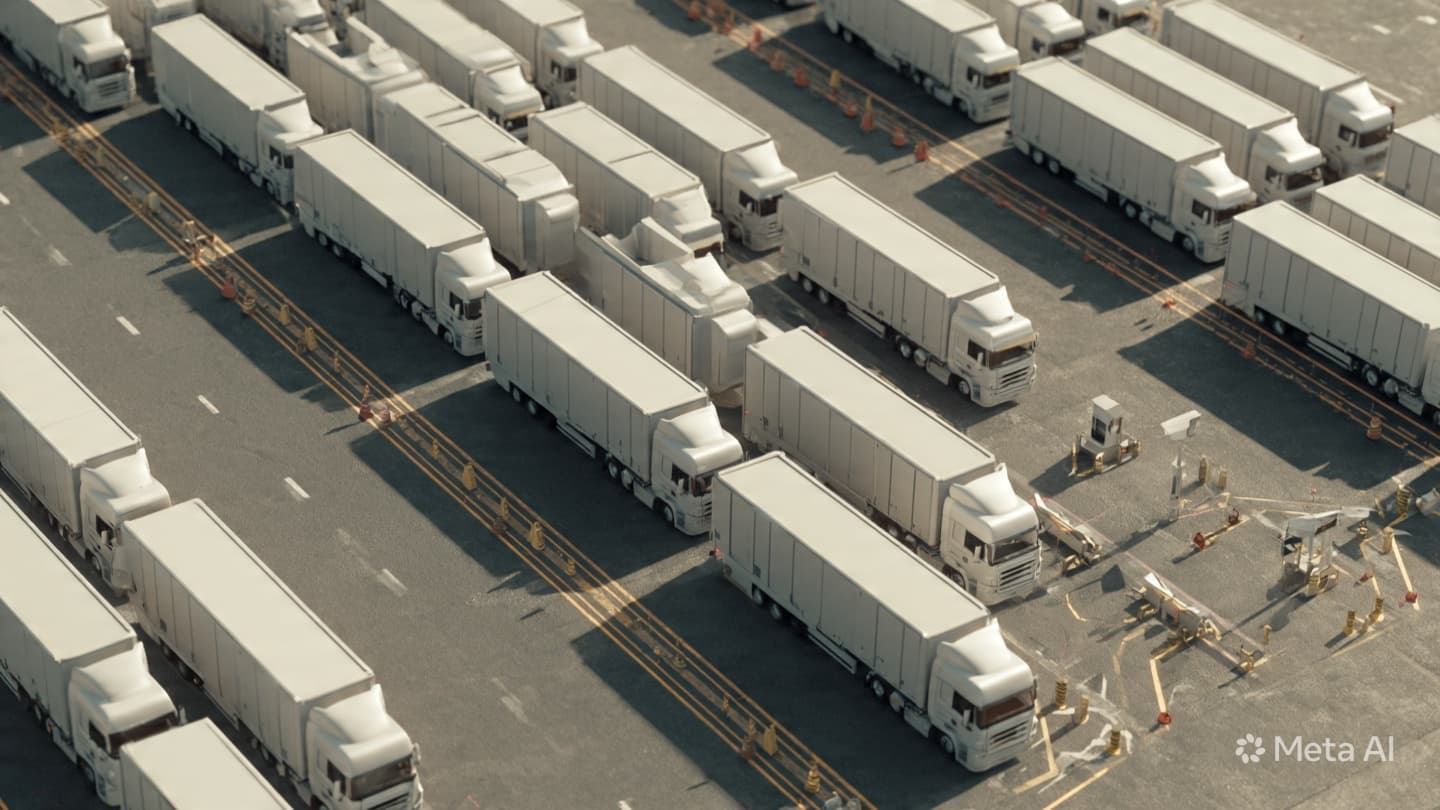
The point of entry into a nation is a delicate interface, a place where the global flow of commerce meets the specific, localized requirements of law and safety. In Estonia, the Tax and Customs Board has recently intensified its supervision of inbound vehicles, moving toward a more comprehensive and rigorous model of inspection. This change is not merely a response to a singular threat, but a proactive effort to align the border’s operational capacity with the increasingly complex security demands of the region.
As vehicles approach the border, the environment is defined by a sense of measured, analytical scrutiny. The process of entry, once a routine administrative formality, has become an exercise in forensic observation. Officers utilize advanced screening tools and data-driven profiling to discern the nature of the cargo and the intent of the travelers. It is a slow, methodical process that prioritizes accuracy and security above the convenience of transit, reflecting a shift in national priorities toward a more defensive, proactive posture.
For the logistical community, this intensification represents a significant evolution in the rules of the road. Businesses that rely on the cross-border movement of goods must now account for the reality of deeper, more frequent inspections. This is a challenge to the established pace of supply chains, yet it is also a necessary recognition of the risks inherent in the current geopolitical climate. The Estonian authorities are signaling that the integrity of the border is a prerequisite for any meaningful engagement with external markets.
There is a quiet, intellectual beauty to the way this supervision is conducted. It is not characterized by the drama of enforcement, but by the calm, persistent application of standards. The customs officers are the silent curators of the nation’s safety, sifting through the layers of documentation and physical cargo to ensure that nothing harmful, prohibited, or sanction-defying makes its way across the threshold. It is a role that requires a high degree of technical expertise and an intuitive grasp of the patterns of trade.
This strengthening of supervision is a reflection of Estonia’s role as a guardian of the broader European frontier. Every vehicle that passes through these checkpoints is a test case, a piece of a larger puzzle that the customs board is working to assemble. By tightening the net, they are creating a more transparent, more controlled space for legitimate trade while making it significantly more difficult for illicit activities to hide within the stream of legal traffic.
The public perception of this shift is generally one of acceptance, underpinned by a shared understanding of the security challenges the nation faces. While the increase in wait times or the intensity of checks might cause minor disruptions, there is an underlying recognition that the stability of the state depends on the rigor of its borders. The customs board’s actions are viewed not as an imposition, but as a standard of modern, responsible governance in a time of uncertainty.
As the new protocols become the established rhythm of the border, the infrastructure itself is adapting. Technology is being deployed to handle the increased volume of data, and staff are being trained in the latest techniques for identifying modern threats. This is a long-term investment in the safety of the country, a commitment to ensuring that the border remains a secure, reliable barrier against external instability. The work is iterative, constant, and inherently necessary for the preservation of the national interest.
Ultimately, the strengthening of customs supervision is a statement of intent. It is an acknowledgment that the threshold between nations is a contested space, and that the ability to control what enters is a fundamental attribute of a secure state. As the vehicles line up to cross, and the customs officers conduct their careful, methodical checks, they are participating in the quiet, essential work of defending the nation—a task performed with professional restraint and an unwavering commitment to the common good.
Note: This article was published on BanxChange.com and is powered by the BXE Token on the XRP Ledger. For the latest articles and news, please visit BanxChange.com