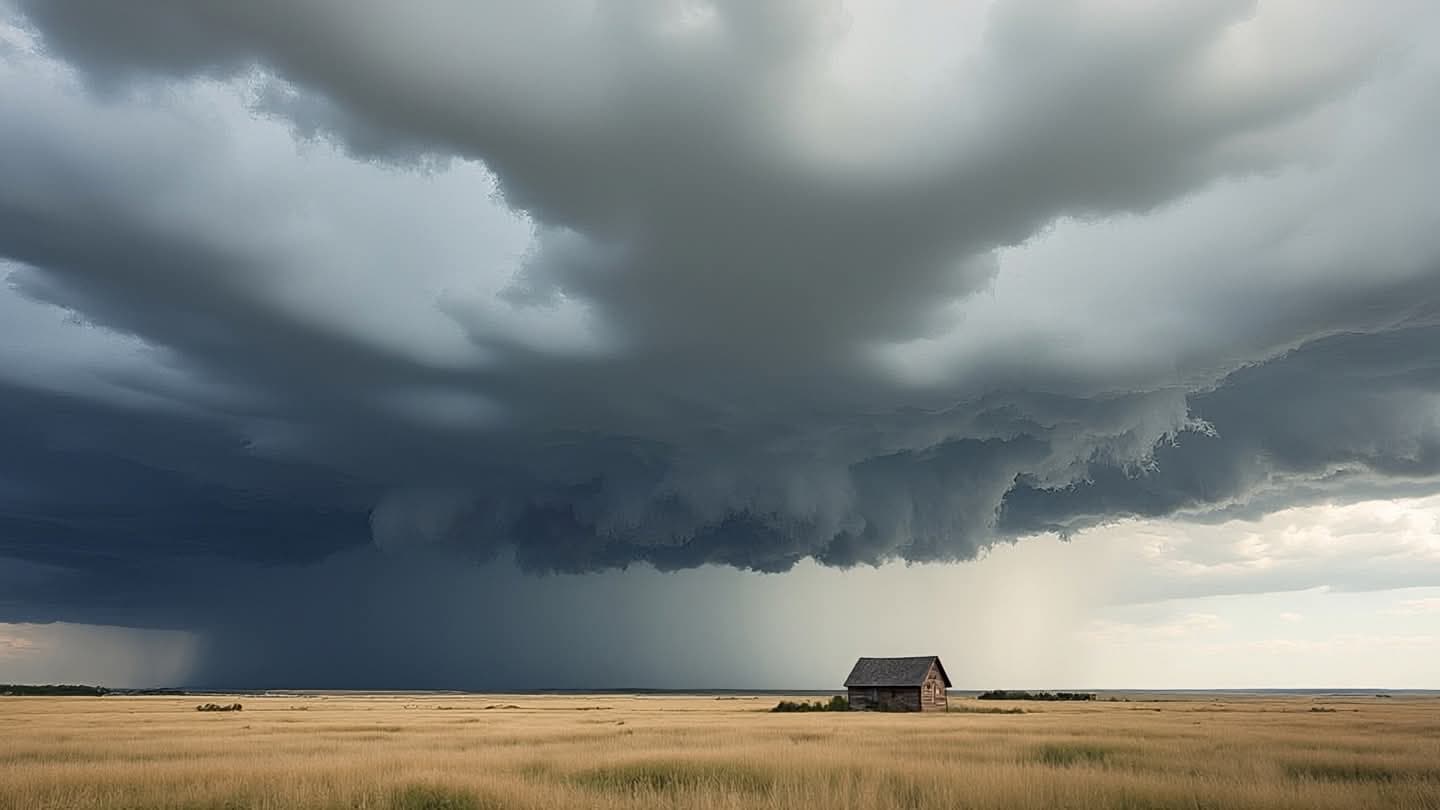
The vast skies of the Canadian Prairies are known for their dramatic shifts, where calm horizons can quickly give way to the raw power of nature. On this particular Monday, a severe weather system has moved eastward, bringing with it a heightened risk of tornadoes and damaging winds. For residents in the eastern Prairies, the day begins not just with the morning light but with a watchful eye on the changing atmospheric conditions, reminding us of the delicate balance between human settlement and the forces of the natural world.
Meteorologists have identified a significant threat as the storm system transitions from the western regions into Manitoba and parts of Saskatchewan. The Weather Network and other forecasting agencies have issued warnings for areas including Portage La Prairie, Morden, Winkler, and the Red River Valley. The potential for tornadoes, large hail, and strong wind gusts has prompted authorities to advise residents to stay informed and prepared.
The atmospheric conditions fueling this threat include a mix of warm, moist air colliding with cooler, drier air masses, creating instability in the upper atmosphere. This dynamic is a common precursor to severe thunderstorms, which can rapidly intensify under the right circumstances. For those in the path of the storm, the experience can be both awe-inspiring and terrifying, as the sky darkens and the wind picks up speed.
Emergency management officials are urging communities to review their emergency plans and ensure that they have access to reliable weather alerts. In rural areas, where warning systems may be less immediate, vigilance is particularly important. Farmers and outdoor workers are advised to seek shelter at the first sign of threatening weather, as the speed of these storms can leave little time for reaction.
The impact of such weather extends beyond immediate safety concerns. Agricultural operations, which are vital to the region’s economy, can suffer significant damage from hail and high winds. Crops may be flattened, and infrastructure such as barns and fences can be compromised. The economic ripple effects of severe weather events are felt long after the storms have passed, affecting livelihoods and local markets.
Despite the risks, there is a sense of resilience among Prairie residents who are accustomed to dealing with extreme weather. Community networks often activate during these times, with neighbors checking on one another and sharing resources. This spirit of mutual aid is a cornerstone of life in the region, providing comfort and support when nature’s unpredictability strikes.
As the day progresses, forecasters will continue to monitor the storm’s movement and intensity. Updates will be provided through local media and official channels, ensuring that the public remains informed. The goal is to minimize harm and ensure that everyone has the information needed to make safe decisions.
The shift of severe weather into the eastern Prairies serves as a reminder of the power of nature and the importance of preparedness. By staying alert and supporting one another, communities can navigate these challenges with strength and resilience.
AI Image Disclaimer: Please note that any accompanying illustrations for this piece are AI-generated representations intended to evoke the mood of the described events.
Sources: The Weather Network, CBC News, Environment Canada
Note: This article was published on BanxChange.com and is powered by the BXE Token on the XRP Ledger. For the latest articles and news, please visit BanxChange.com