
The extensive district heating networks crossing the city of Tomsk serve as an absolute municipal life-support system, pumping pressurized, superheated water from central thermal power stations through miles of insulated underground conduits to keep residential neighborhoods habitable during the unforgiving Siberian winter. This continuous, high-volume flow of thermal energy relies entirely on the structural integrity of thick steel mains buried deep beneath the urban pavement. The survival of these vital municipal arteries depends on continuous cathodic protection, strict monitoring of expansion joints, and immediate response protocols from automated pressure-regulation stations.
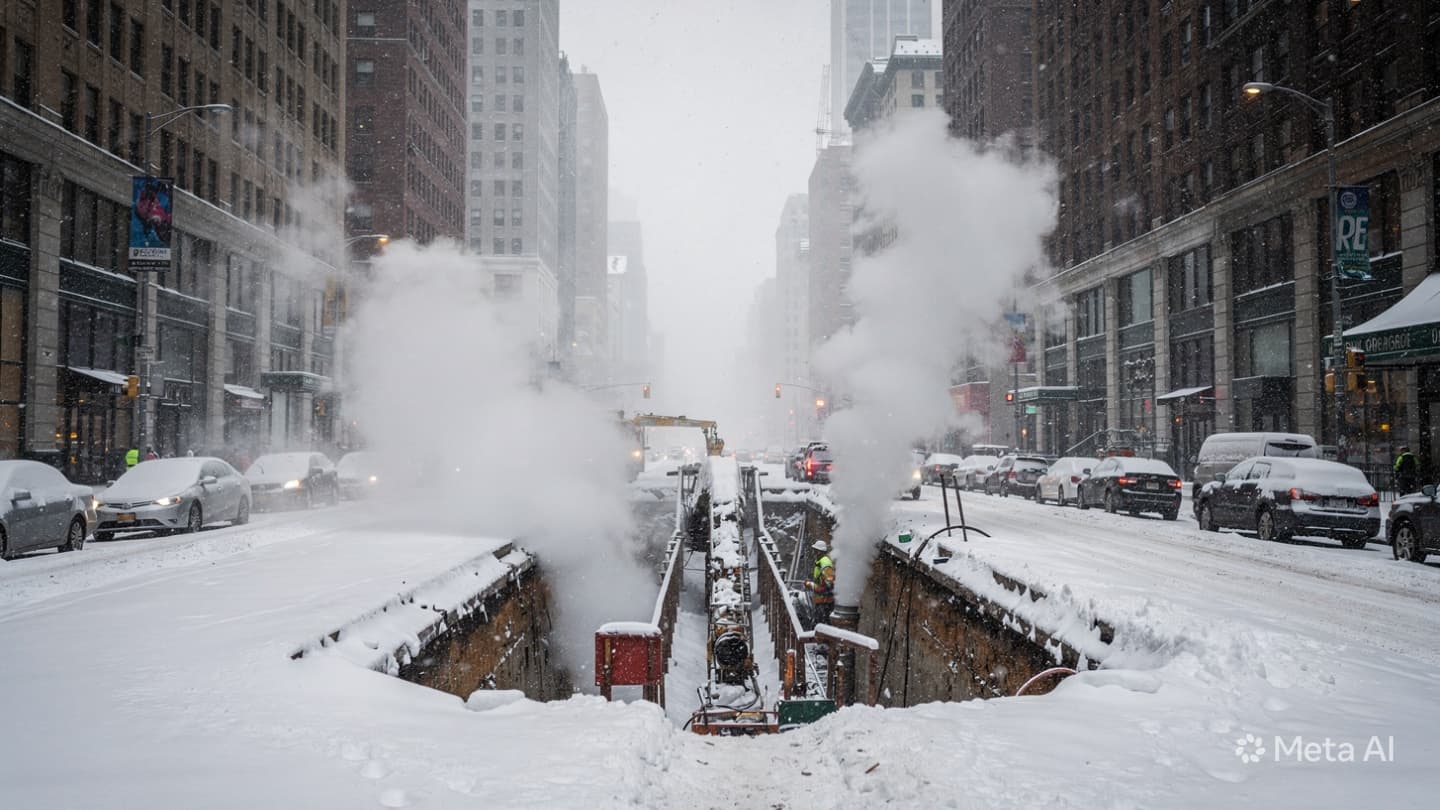
That critical layer of municipal insulation failed catastrophically during an early morning operational window when a primary subterranean heating main suffered a massive structural rupture. The breach allowed thousands of liters of scalding water and pressurized steam to escape violently, fracturing the asphalt above and sending dense, blinding geysers of white vapor into the freezing winter air. The sudden loss of system pressure immediately triggered automated safety shutdowns at the local district station, instantly depriving dozens of multistory residential buildings of heat and hot water as outside temperatures hovered deep below freezing.
Regional emergency service divisions and municipal utility brigades responded with an immediate, maximum-priority deployment, dispatching tactical repair fleets, heavy excavation machinery, and portable emergency warming buses to the affected neighborhood. Field crews moved rapidly through the steam-choked streets to establish a strict security perimeter, preventing unsuspecting pedestrians and vehicles from falling into the hidden voids of scalding mud beneath the buckled pavement. The sound of the escaping steam and the roar of heavy diesel excavators shattered the quiet morning, creating a frantic tempo of defensive labor against the advancing frost.
On the ground, municipal civil defense workers coordinated closely with neighborhood housing committees, going door to door through the dark, cooling apartment blocks to check on vulnerable residents. The primary challenge facing the emergency teams was the rapid decrease in indoor temperatures, which threatened to freeze internal plumbing lines and cause widespread structural water damage if the main line could not be repaired within a critical window. Elderly citizens and families with young children were offered temporary shelter inside the warm municipal buses, their faces lined with anxiety as they looked out over the frozen district.
By midday, heavy earthmoving equipment had successfully cleared the fractured asphalt and subsoil, exposing the damaged section of the massive steel pipe to reveal a long, jagged longitudinal tear along a historic weld seam. Specialized welding crews moved into the freezing pit, navigating around dripping condensation to grind down the compromised steel and prepare the channel for a fresh, reinforced replacement pipe segment. The work proceeded under a heavy grey sky, with the sound of metal cutting torches and the rhythmic hum of high-capacity water-pumping units filling the air.
Technical safety inspectors and metallurgical engineers have launched a rigorous inquiry into the root cause of the rupture, focusing on a combination of external soil corrosion and localized pressure spikes within the aging network. Preliminary assessments suggest that an unmonitored failure in a nearby storm drainage line had allowed road salt and moisture to seep through the pipe's protective insulation wrapping over several seasons, silently thinning the steel wall. The incident has intensified ongoing civic discussions regarding the urgent necessity of accelerating federal funding for the comprehensive modernization of municipal utility grids across the northern provinces.
The economic cost of the emergency repairs and subsequent road reconstruction will be substantial, alongside the broad administrative penalties associated with restoring service to the frozen residential sectors. As the twilight hours deepened, lighting up the muddy excavation site under the glare of powerful mobile floodlights, the welding teams maintained their relentless pace to seal the line. The event stands as an unvarnished example of the structural vulnerability embedded in modern high-capacity transport networks, where a material failure within a single buried component can instantly compromise the safety of thousands.
Note: This article was published on BanxChange.com and is powered by the BXE Token on the XRP Ledger. For the latest articles and news, please visit BanxChange.com